Escalation in the Middle East: U.S. and Iran Navigate Conflict Amid Diplomatic Efforts
A Turning Point in Regional Tensions
Cyberzenhub.com – On February 28, President Donald Trump made a significant declaration regarding American military engagement with Iran, characterizing the new phase as “major combat operations.” This announcement marked a substantial escalation in the relationship between the two nations, coming after months of growing tensions in the Persian Gulf region. The presidential statement signaled to both domestic and international audiences that the United States was prepared to take decisive military action against Iranian targets.
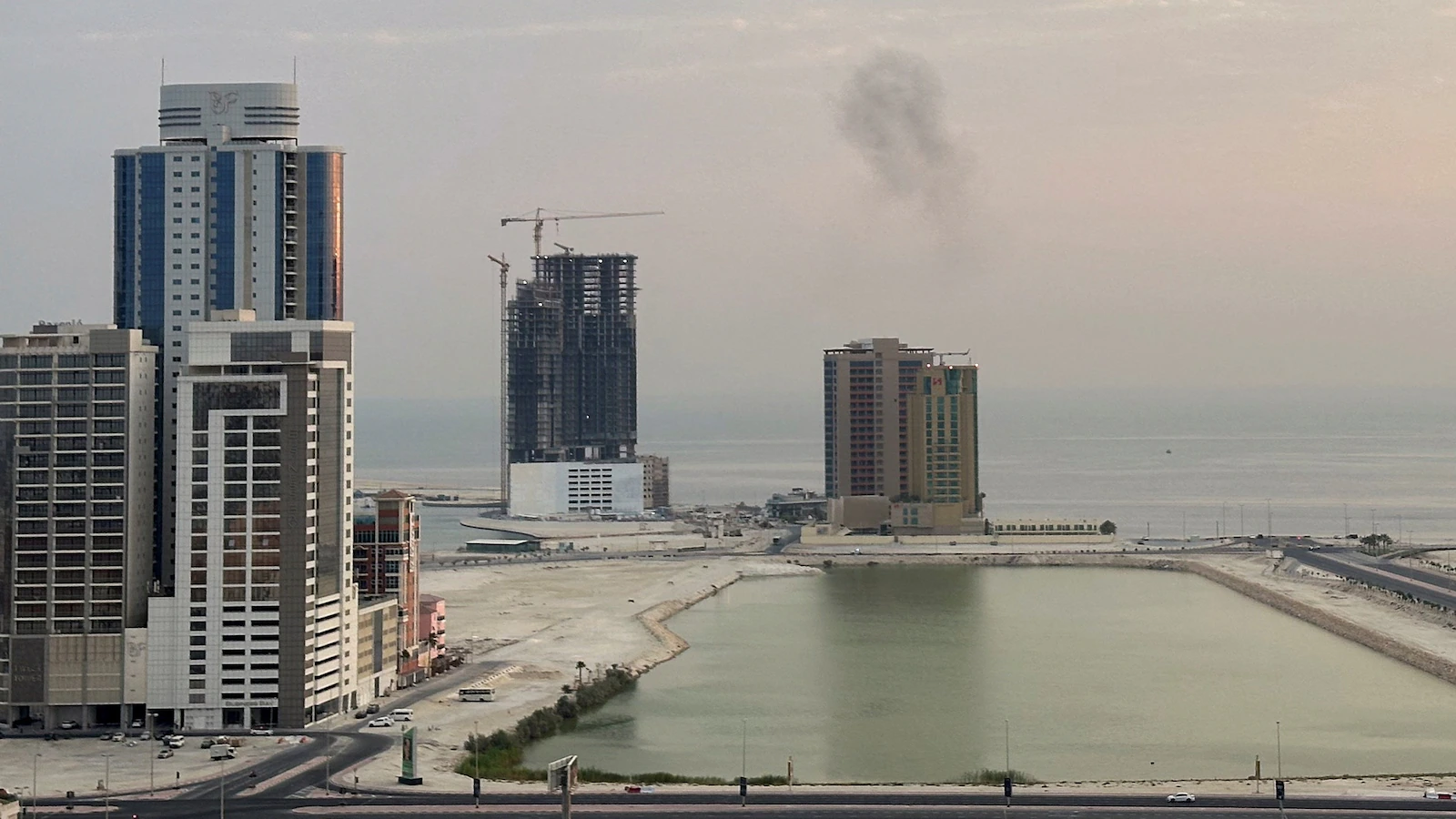
The timing of this announcement proved crucial, as it coincided with a coordinated campaign involving both American and Israeli forces. These joint operations targeted a comprehensive range of Iranian assets, including military installations, government facilities, and critical infrastructure elements. The multi-pronged approach demonstrated the strategic depth of the coalition’s capabilities and underscored the seriousness with which both nations viewed the situation.
Negotiations and the Path Toward Peace
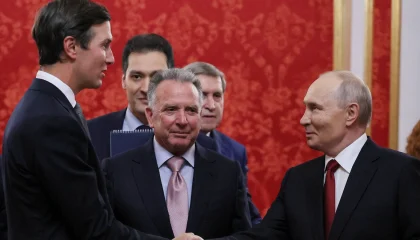
Despite the military escalation, diplomatic channels remained open between Washington and Tehran. In June, formal delegations from both countries began structured negotiations with the ambitious goal of reaching a comprehensive agreement capable of ending the ongoing conflict. These talks represented a significant diplomatic effort to complement the military pressure being applied through the joint operations.
The foundation for these negotiations rested upon a memorandum of understanding that had previously been signed by both nations. This document served as a framework for potential de-escalation and provided both sides with a reference point for their discussions. The memorandum outlined key principles and commitments that would guide the peace process, offering hope that military operations could eventually give way to a more stable regional order.
The Paradox of Continued Hostilities
One of the most striking aspects of the current situation is the coexistence of diplomatic progress and military activity. Even as the memorandum of understanding remained in effect and peace talks continued, both the United States and Iran maintained a pattern of relatively limited but persistent strikes against each other. This dual-track approach reflects the complex nature of modern conflict resolution, where military and diplomatic tools operate simultaneously rather than sequentially.
The limited nature of these exchanges suggests that both parties are carefully calibrating their responses, seeking to demonstrate resolve without triggering an uncontrolled escalation. Each side appears to be testing the boundaries of what can be achieved through both force and negotiation, creating a dynamic environment where the situation could shift rapidly in either direction.
The Strategic Importance of the Strait of Hormuz
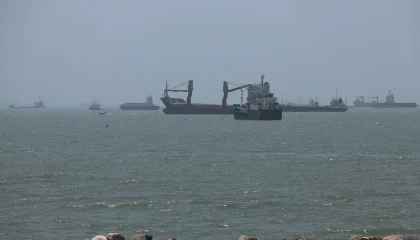
At the center of this geopolitical drama lies the Strait of Hormuz, a critical waterway that has emerged as the primary flashpoint in the conflict. This narrow passage connects the Persian Gulf to the open ocean and serves as a vital artery for global energy supplies. Any disruption to shipping through this strategic corridor would have immediate and far-reaching consequences for international markets and regional stability.
The concentration of military activity around the Strait of Hormuz reflects its outsized importance in the broader conflict. Both American and Iranian forces have positioned themselves to protect their interests in this crucial maritime zone, recognizing that control or influence over this waterway could prove decisive in determining the outcome of the confrontation. The strait’s geographic position makes it particularly vulnerable to various forms of military pressure, from naval blockades to aerial surveillance operations.
Looking Ahead: Uncertainty and Opportunity
The current situation presents both challenges and opportunities for all parties involved. The continuation of limited strikes alongside ongoing negotiations suggests that neither side has exhausted all options for achieving their objectives. The memorandum of understanding provides a foundation for further progress, but its implementation will depend on the willingness of both Washington and Tehran to make concessions and find common ground.
As the situation evolves, observers will be watching closely to see whether the diplomatic track can gain momentum or whether military considerations will continue to dominate the discourse. The outcome of these developments will have implications not only for the United States and Iran but for the broader international community, particularly those nations whose economic interests are tied to the stability of the Persian Gulf region.
The coordinated nature of the U.S.-Israeli operations demonstrates a unified approach to addressing Iranian threats while maintaining diplomatic flexibility for future negotiations.
The coming weeks and months will likely prove critical in determining whether the current trajectory leads toward a lasting resolution or further escalation. All eyes remain on the Strait of Hormuz, where the intersection of military power and diplomatic ambition continues to shape the future of regional security.