New Legislation Advances to Penalize Russian Energy Trade
Cyberzenhub.com – A cross-party coalition of lawmakers revealed on Tuesday a comprehensive legislative package originally negotiated by the recently deceased Senator Lindsey Graham. This proposed measure aims to impose economic penalties on nations that buy Russian energy resources. The legislation, which received strong backing from both Graham and Democratic colleague Richard Blumenthal, is now progressing toward what congressional staff anticipate will be a favorable outcome. This optimism follows the White House’s formal acceptance of the bill’s provisions on Friday.
Graham’s Final Legislative Achievement
Presented during a Capitol Hill news conference, the legislation bears Graham’s personal approval. According to a Senate aide, the text remains unchanged since the senator’s unexpected passing on Saturday. The bill targets Russian financial entities alongside major state-controlled energy corporations, while simultaneously addressing international partners involved in oil and natural gas commerce.
Under the proposed framework, the five nations importing the most Russian crude oil would face tariffs reaching as high as one hundred percent. Similarly, the leading five buyers of Russian natural gas would encounter comparable restrictions. Notably, certain allies such as France and Japan receive specific exemptions regarding natural gas purchases as they gradually reduce dependence on Russian supplies.
China and Other Major Importers
China, currently the foremost purchaser of both Russian crude oil and natural gas, would encounter a one hundred percent tariff under the bill’s provisions. However, these penalties cannot be combined or doubled to reach two hundred percent. Additionally, if enacted and signed into law by President Donald Trump, the legislation would introduce penalties for nations engaging in defense-related trade with Russia, potentially including Iran.
“I know that Lindsey wanted it very badly. I think they may be adding Iran to it. They’re going to add Iran, which is a very big thing. If they did that, they may add Hezbollah.”
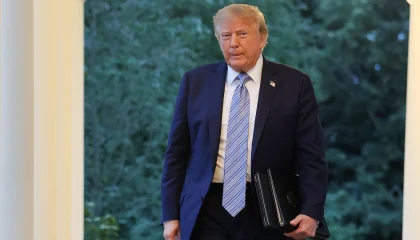
When questioned about his position on the legislation, Trump expressed support for the measure. Blumenthal responded to comments made during the press conference, stating that the president had already endorsed the bill and that reopening it for additional targets would be unnecessary at this stage.
Negotiations and Battlefield Momentum
The legislative effort had experienced delays exceeding one year while awaiting White House approval and necessary modifications. A congressional aide noted that discussions involving Treasury Secretary Scott Bessent in Ankara during the NATO summit proved instrumental in reaching an agreement. The aide emphasized that the timing aligns with growing recognition of Ukraine’s positive developments on the battlefield throughout Washington.
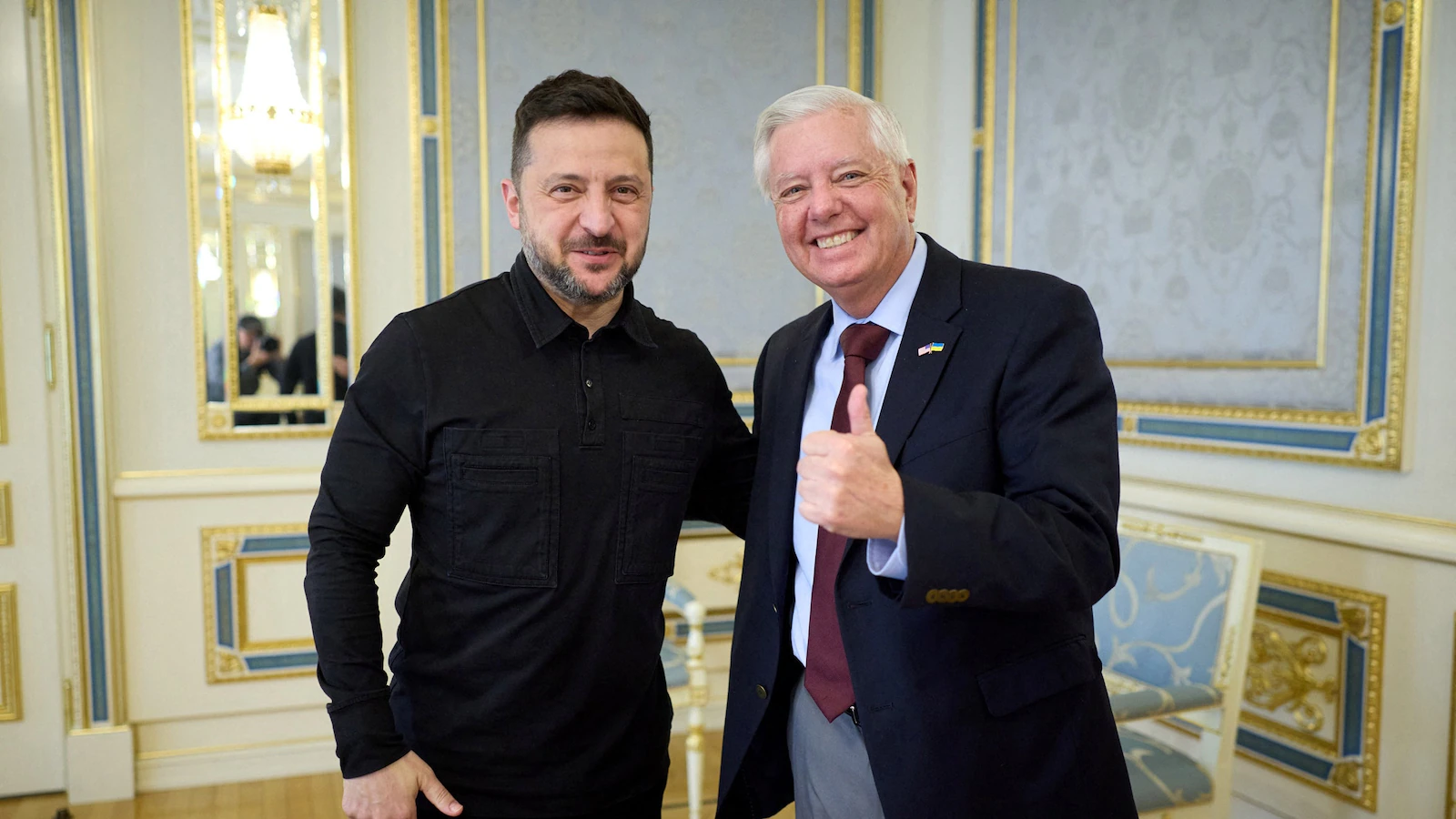
“When Senator Graham and I last spoke, he was absolutely exultant, calling from Kyiv with news that that President Trump would support this bill to impose scorching tariffs and sanctions on purchasers of Russian oil and stop them from fueling Putin’s war machine.”
Blumenthal characterized the legislation as an appropriate memorial to Graham, noting that the senator had been enthusiastic about the prospect of imposing significant economic pressure on Russia. He emphasized that Ukraine is currently reclaiming territory and conducting operations deep within Russian borders using drones and missiles.
Republican Senator Tom Cotton, a supporter of the legislation, urged Congress to act without delay. He stated that increasing costs for Russia represents the most effective approach to limiting their energy revenue and compelling negotiations. Cotton emphasized that the bill would further constrain Russia’s ability to finance its military operations.
“As Senator Graham knew well, raising the costs on Russia is the only solution. Our bill will further restrict their energy sales to strangle Putin’s war machine and bring him to the negotiating table.”
The legislation reflects nearly two years of careful negotiation, described by Blumenthal as both meticulous and occasionally difficult. With the White House now aligned on the terms, lawmakers are prepared to move forward with what they view as a critical step toward encouraging peace through economic pressure on Russia.