New Mexico Voters Choose Party Nominees Amid Oil Revenue Surge
Cyberzenhub.com – On Tuesday, New Mexico voters choose party nominees for governor, signaling a pivotal moment in the state’s political landscape. This primary election occurs against the backdrop of a booming oil industry, which has significantly boosted state revenue. The surge in income, fueled by global price increases tied to the Iran conflict, is reshaping the debate over fiscal priorities and policy directions. As the race unfolds, the outcome will determine which party gains momentum in the upcoming general election, potentially influencing the state’s future trajectory.
The Role of Oil Revenue in Shaping the Election
New Mexico’s oil boom has created a financial windfall, providing critical resources to address state challenges. With the nation’s second-largest oil production, the revenue stream is a key factor in the race for governor. The Democratic and Republican candidates are now vying for the support of voters who may be swayed by the economic benefits of the industry. However, the question remains: will this financial advantage translate into a decisive political edge? The primary results could set the stage for a broader discussion on balancing economic growth with social equity.
Political analysts note that the increased revenue offers both opportunities and pressures. While it enables investment in public services, it also raises expectations for governance. The focus keyword “New Mexico voters choose party nominees” underscores the significance of this election, as it determines the direction of state policies. With the economy thriving, the candidates’ ability to connect with voters on both economic and social issues will be crucial in securing the nomination.
Democratic Race: Competing Visions for the State’s Future
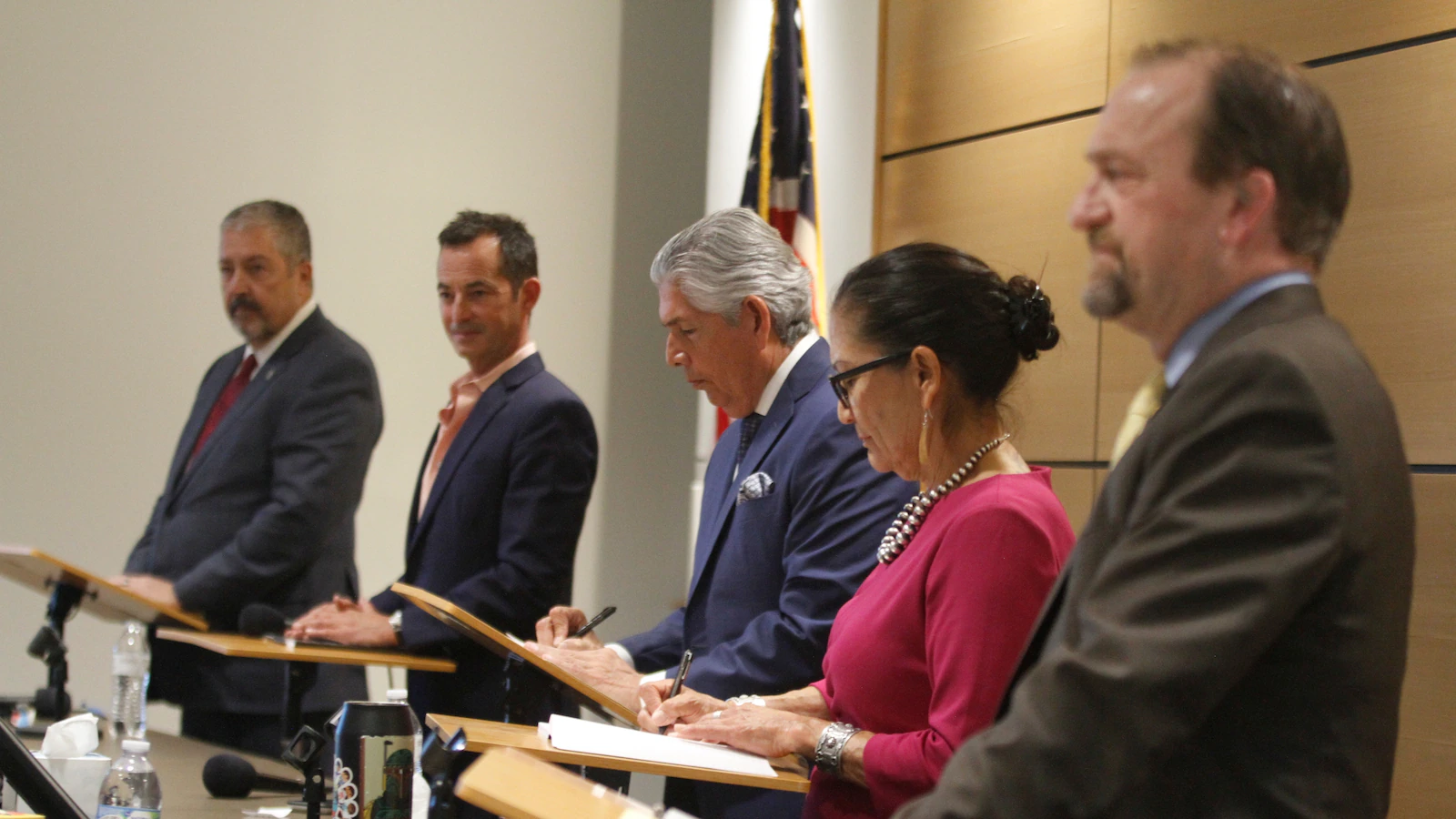
The Democratic primary has drawn attention for its high stakes and diverse candidates. Deb Haaland and Sam Bregman are the leading contenders, each presenting distinct approaches to state leadership. Haaland’s background in federal policy and her advocacy for affordable living costs position her as a strong candidate for progressive reforms. Bregman, meanwhile, emphasizes law enforcement and fiscal responsibility. As New Mexico voters choose party nominees, their campaign strategies will be tested by the state’s complex economic and social challenges.
Haaland’s campaign also highlights her historical ties, including a 2014 run for lieutenant governor. During that campaign, she traveled to Washington, D.C., on a private jet arranged by Jeffrey Epstein’s company. While this connection has drawn scrutiny, Haaland has clarified that she was unaware of Epstein’s involvement. This incident, though a minor distraction, underscores the importance of transparency as New Mexico voters choose party nominees. Meanwhile, Bregman’s reliance on personal wealth has sparked debate about his ability to represent the state’s working families.
Republican Primary: A Battle for Traditional Values
The Republican field is equally competitive, with three candidates vying for the nomination. Gregg Hull, a former mayor, focuses on economic growth and job creation. Duke Rodriguez, a former Cabinet secretary, emphasizes healthcare reform, while Doug Turner aims to enhance education outcomes. As New Mexico voters choose party nominees, these candidates must navigate a state that has seen a shift toward progressive policies. Their platforms will be scrutinized for alignment with the state’s evolving priorities and voter expectations.
Despite the Democratic lead, the Republican primary remains a critical contest. The candidates’ ability to articulate a clear vision for the state’s future will be key. With the oil boom providing a financial cushion, the race could see a mix of traditional and modern policy proposals. As the election day approaches, the state’s voters will decide between competing ideologies, shaping the political landscape for years to come.
As New Mexico voters choose party nominees, the primary results will have far-reaching implications. The economic strength from oil production may influence campaign strategies, but the ultimate outcome depends on how effectively candidates address the state’s multifaceted challenges. Whether it’s progressive reforms or traditional values, the choices made in this election will define the path forward for New Mexico’s governance and policy direction.