Minneapolis Faces Worst Air Quality Globally as Wildfires Rage Across Northern Regions
Unprecedented Smoke Blankets the Twin Cities
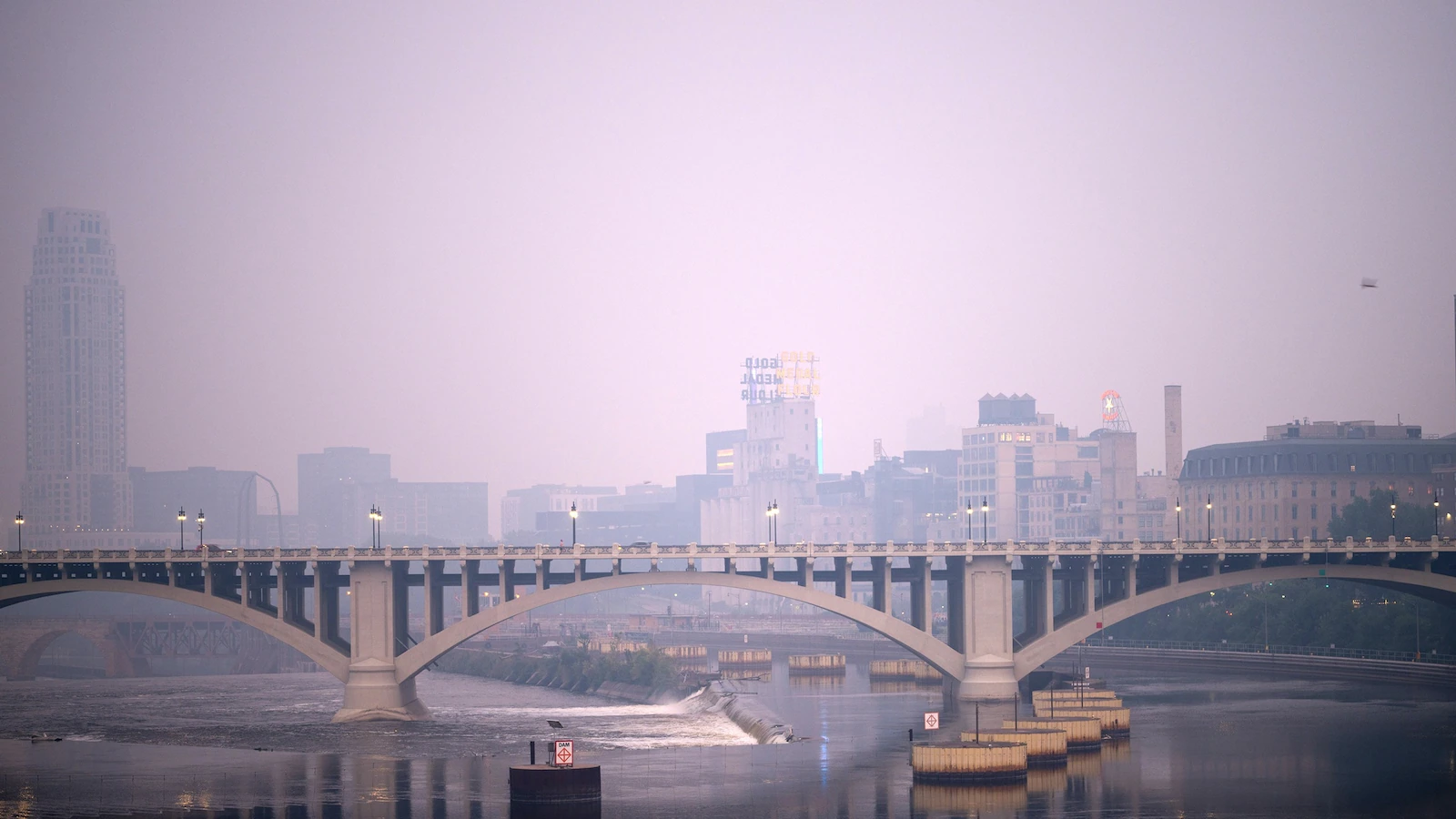
Cyberzenhub.com – Residents of Minneapolis found themselves breathing some of the most polluted air on Earth this Thursday, as thick wildfire smoke descended upon the city from multiple burning areas. The combination of fires consuming forests in northern Minnesota and Ontario, Canada created an atmospheric crisis that pushed the city’s air quality index to unprecedented levels. By Wednesday evening, much of Minneapolis had entered what officials call the “hazardous” category, a designation that persisted well into Thursday morning.
The air quality index, commonly referred to as AQI, measures the concentration of pollutants in the atmosphere. In Minneapolis, readings climbed as high as 460 during this period. To put this in perspective, any reading of 300 or above falls into the hazardous classification, meaning the air poses serious health risks to everyone, regardless of age or health status. Detroit, Michigan, experienced similar conditions and shared the distinction of ranking alongside Minneapolis as having the worst air quality among major cities worldwide.
Official Guidance for Residents
Health authorities and local officials issued urgent recommendations for all residents. The primary advice remains simple but critical: stay inside. When outdoor air quality reaches hazardous levels, even brief exposure can cause respiratory distress, eye irritation, and other health complications. Minneapolis Mayor Jacob Frey took to social media platform X on Thursday morning to emphasize the severity of the situation.
“Please take this seriously,” Mayor Frey wrote in his message to residents. “If you can, stay indoors, avoid activity outside, and keep indoor air as clean as possible.”
The mayor specifically highlighted vulnerable populations in his statement, noting that children, elderly residents, and individuals with pre-existing heart or lung conditions face elevated risks during this period of poor air quality.
Fire Activity Continues to Escalate
The U.S. Forest Service reported that as of midday Wednesday, fifteen separate wildfires were actively burning across the Superior National Forest. Four of these fires were located within the Boundary Waters Canoe Area Wilderness, a vast protected region known for its pristine lakes and forests. Officials noted that several of these fires had merged together since earlier reports, creating even larger burn areas and contributing to the dense smoke plume.
During a Wednesday press conference, fire officials provided a sobering timeline for the situation. They warned that conditions could allow fires to continue burning through the fall season. Phil Manuel, the incident meteorologist with the National Weather Service, addressed questions about potential relief from the weather.
“How are we going to end this? Weather’s going to have to change,” Manuel stated during the briefing. “It takes rain with a name to put out big fires.”
While light rain was forecast for northern Minnesota on Thursday, Manuel explained that the precipitation would be insufficient to significantly impact the larger fires. The region has been experiencing temperatures in the 100s, a dramatic departure from the upper 70s that are typical for this time of year. These extreme temperatures, combined with dry conditions, strong winds, and increased lightning strikes, have created a perfect storm for wildfire activity.
Evacuations and Regional Impact
First responders have been conducting door-to-door evacuations to ensure that both residents and visitors in affected areas reach safety. These efforts continued through Wednesday as fire conditions remained volatile. Firefighters from both the United States and Canada have been coordinating their efforts to contain and extinguish the blazes.
The wildfire situation extends beyond Minnesota’s borders. Ontario’s Ministry of Natural Resources reported that more than 183 wildfires were burning across the province on Wednesday. These Canadian fires, along with those in Minnesota, are sending dangerous smoke across the continent, affecting air quality in the Northeast and upper Midwest regions of the United States.
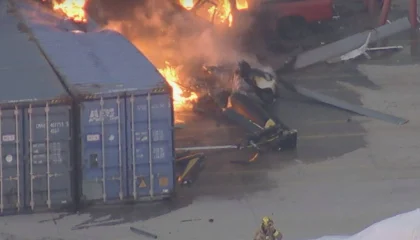
A screen capture from a video broadcast on July 15, 2026, showed the extent of the smoke in Duluth, Minnesota, illustrating how the atmospheric conditions have transformed the region. The combination of record temperatures, abundant fuel from dry vegetation, and frequent lightning strikes has created conditions that officials say could persist for months, requiring sustained efforts from emergency responders and continued vigilance from residents.