
How to Secure Your Home Network: Ultimate Guide for Stronger Security
Paragraf pembuka artikel. In today’s digital age, home networks are more than just a means to connect devices—they are the gateway to your personal data, online activities, and even financial information. With the rise of smart homes, IoT devices, and remote work, the risk of cyberattacks on your home network has never been higher. Hackers can exploit vulnerabilities in your network to access sensitive data, steal identities, or even control your smart devices. That’s why how to secure your home network is essential for every homeowner. Whether you’re using a simple router or a complex setup with multiple devices, taking proactive steps to protect your network can significantly reduce the chances of a breach. This guide will walk you through how to secure your home network by covering fundamental practices, advanced techniques, and best habits to maintain a secure environment. From setting up strong passwords to enabling firewalls and monitoring network activity, each step is designed to help you create a robust defense against cyber threats. Let’s dive in and learn how to protect your home network from potential dangers.
Section Utama
Understanding the Basics of Home Network Security
Before diving into the technical aspects of how to secure your home network, it’s important to understand the basic components that make up a typical home setup. A home network usually consists of a router, modem, and connected devices such as smartphones, computers, smart TVs, and security cameras. While these devices are designed for convenience, they can also be entry points for cyber threats if not properly configured. Routers, for instance, are often the first line of defense in a home network. However, many users leave their routers with default passwords and settings, making them easy targets for hackers. One of the simplest yet most effective steps in how to secure your home network is to change the default admin password. Most routers come with a username like “admin” and a password like “password,” which are easy to guess. By setting a unique, strong password, you eliminate a common vulnerability that could allow unauthorized access.
In addition to passwords, network segmentation is a key concept to grasp. This involves dividing your home network into separate subnetworks to limit access between devices. For example, you can create a guest network for visitors or temporary devices, keeping them isolated from your main network. This strategy prevents a compromised device from spreading malware or accessing sensitive data across the entire network.
Changing Default Passwords and Settings
One of the most critical steps in how to secure your home network is to update the default login credentials. Routers and modems often come with pre-set usernames and passwords that are easy to find online. Hackers can use these defaults to gain control of your home network without needing to crack passwords.
To change your router’s default password, log in to the router’s admin panel using a web browser. Enter the IP address (such as 192.168.0.1 or 192.168.1.1) into the address bar, then enter the default username and password. Once logged in, navigate to the settings menu and locate the option for changing the admin password. Choose a strong password that includes a mix of uppercase and lowercase letters, numbers, and special characters. Avoid using personal information like your name or birthdate, as they can be easily guessed.
It’s also important to update the firmware of your router and modem regularly. Firmware updates often include security patches that fix known vulnerabilities. Check the manufacturer’s website for the latest firmware version and follow the installation instructions. This simple action can prevent exploits that could compromise your home network.
Enabling Firewalls and Encryption
A firewall is a crucial security feature that helps block unauthorized access to your home network. Most routers have built-in firewalls, but they may not be enabled by default. To ensure maximum protection, you should activate the firewall settings on your router. This can typically be done through the router’s admin panel by navigating to the security section.
In addition to firewalls, encryption is vital for securing data transmitted across your home network. Wi-Fi encryption ensures that your data remains private and cannot be intercepted by hackers. The most secure encryption protocols are WPA3 (Wi-Fi Protected Access 3) and WPA2, which use advanced algorithms to scramble data. To enable encryption, log in to your router’s settings and select the appropriate security mode. If WPA3 is not available, opt for WPA2 instead.
It’s also recommended to use Secure Sockets Layer (SSL) or Transport Layer Security (TLS) for encrypting data on devices connected to your home network. These protocols are commonly used for websites and online services, but they can also be configured on your router to add an extra layer of protection. By combining firewalls with strong encryption, you create a comprehensive security strategy that guards against both internal and external threats.
Regular Maintenance and Monitoring
Securing your home network is not a one-time task—it requires ongoing maintenance and monitoring to stay ahead of potential threats. One of the best practices in how to secure your home network is to regularly check for updates and patches on your router and other connected devices. This includes not only firmware updates but also software updates for smart devices, printers, and streaming services. Monitoring your network activity is another essential step. Use tools like router logs or network monitoring apps to track which devices are connected and how much data is being transferred. This helps identify unusual activity, such as a sudden increase in data usage or a device connecting without your knowledge. If you notice any suspicious behavior, investigate further or disconnect the device immediately. It’s also wise to set up alerts for network breaches or security events. Many routers offer email or SMS notifications when someone tries to access your network or when a device is connected. Enabling these alerts can help you respond quickly to potential threats and keep your home network secure.
Advanced Techniques for Enhanced Protection
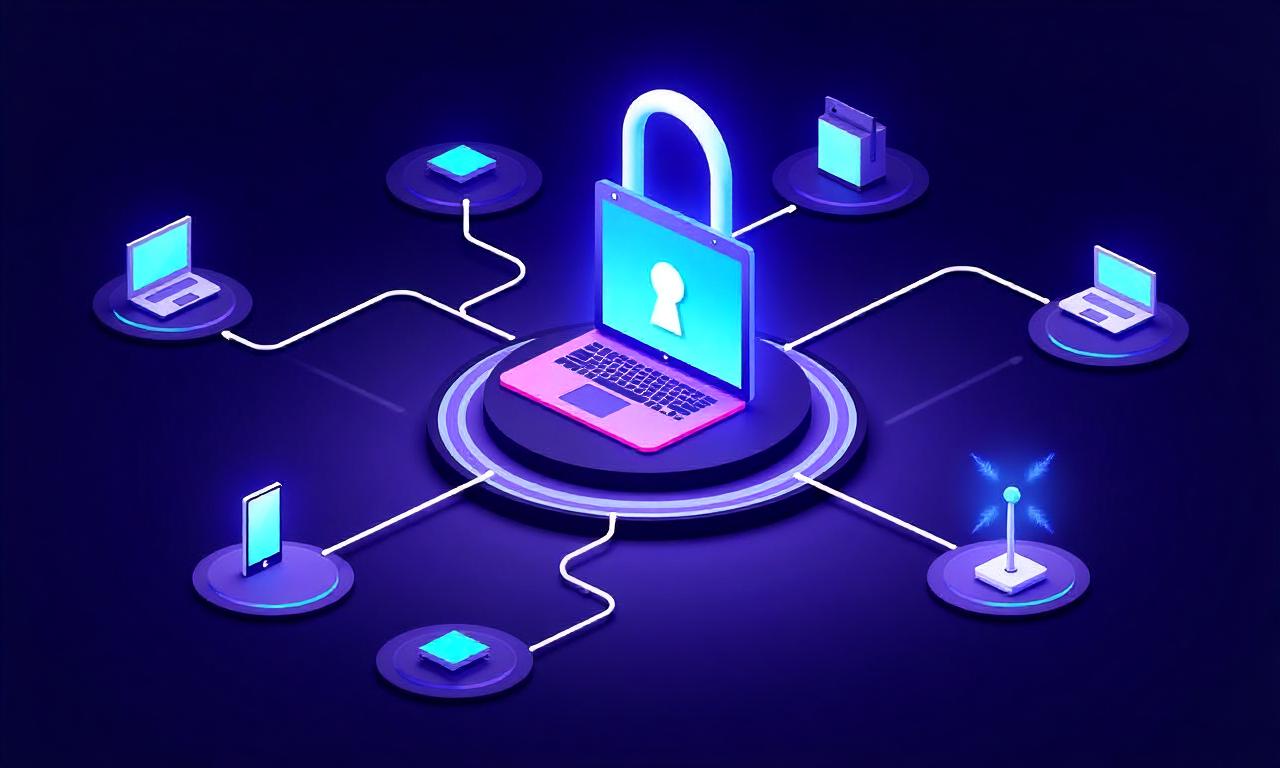
For those looking to take how to secure your home network to the next level, there are several advanced techniques that can significantly enhance security. One such method is network segmentation, which involves dividing your home network into separate subnetworks to isolate critical devices. This can be done by creating a guest network for visitors or using Virtual LAN (VLAN) settings to segment IoT devices from your main network.
Another advanced step is configuring Quality of Service (QoS) settings to prioritize traffic. While QoS is primarily used for managing bandwidth, it can also help block malicious traffic by identifying and limiting suspicious data packets. This feature is especially useful for how to secure your home network against denial-of-service (DoS) attacks, which can overwhelm your network with traffic.
Using strong encryption protocols is another way to secure your home network. Ensure that your router is set to use AES (Advanced Encryption Standard) encryption, which is more secure than older methods like TKIP. Additionally, enable HTTPS on your devices to encrypt data transmitted over the internet. This reduces the risk of data interception and ensures that your online activities remain private.
Best Practices for Long-Term Security
To maintain a secure home network, it’s important to adopt best practices that cover both technical and behavioral aspects. One of the most effective strategies is changing your Wi-Fi password regularly. While it may seem tedious, updating your password every few months helps prevent long-term access by hackers who may have discovered your credentials. Educating yourself and your family about online safety is equally crucial. Teach them to avoid clicking on suspicious links, to recognize phishing attempts, and to use secure connections when accessing sensitive information. This creates a culture of security within your household and reduces the risk of human error leading to a breach. It’s also recommended to use multi-factor authentication (MFA) whenever possible. While MFA is commonly associated with email and online accounts, some routers and smart devices now support this feature. Enabling MFA adds an extra layer of security, as it requires users to provide two forms of verification before accessing your home network.
Lastly, backing up your network data is a proactive measure that ensures you can recover quickly in case of an attack. Set up regular backups of your router settings, modem configurations, and any critical data stored on connected devices. This is especially important for how to secure your home network in the event of a ransomware attack or data corruption.
The Role of Smart Home Devices in Network Security
Smart home devices, such as security cameras, thermostats, and voice assistants, have become a common part of modern home networks. While these devices offer convenience and automation, they can also introduce new vulnerabilities. Many how to secure your home network strategies apply to smart devices as well, but they often require additional attention due to their potential to be hacked remotely.
One important step is to change the default passwords on all smart devices. These devices usually have their own admin panels, and if left unconfigured, they can be easily accessed by unauthorized users. Additionally, updating device firmware is essential. Manufacturers often release security updates to address vulnerabilities, so ensure that all smart devices connected to your home network are running the latest software versions.
It’s also wise to segment smart devices into their own network. This way, even if one device is compromised, the rest of your home network remains protected. Most routers allow you to create a guest network for IoT devices, which can be configured to use a different SSID and password. This isolation reduces the risk of a single compromised device affecting your main network.
Monitoring and Detecting Threats
Regularly monitoring your network is a key part of how to secure your home network. Use tools like Wi-Fi analyzer apps to check for nearby networks and identify potential interference or unauthorized access. These apps can also help you detect rogue devices, such as unknown smartphones or laptops, connecting to your network. Setting up network monitoring tools can provide real-time insights into your home network’s activity. For example, port forwarding can be configured to allow specific devices to communicate with the internet, while port blocking can prevent unnecessary traffic from entering your network. These techniques are particularly useful for how to secure your home network against port scanning attacks, where hackers attempt to find open ports to exploit. It’s also important to review router logs periodically. These logs can show you which devices are connected, when they connected, and what kind of traffic they generated. If you notice any unusual activity, such as a device connecting at odd hours or sending large amounts of data, investigate further. This proactive approach helps you detect and respond to threats before they cause significant damage.
Creating a Secure Network Environment
To create a secure network environment, start by assigning static IP addresses to your critical devices. This ensures that devices like your printer, NAS (Network-Attached Storage), or smart home hub always have the same IP address, making it easier to manage access and track their activity. Static IPs also help prevent devices from being reconfigured without your knowledge, which is a common tactic used by hackers. It’s also beneficial to set up a network firewall that can monitor and filter traffic based on predefined rules. While routers have built-in firewalls, adding a hardware firewall or software firewall can provide an extra layer of protection. These firewalls can block traffic from suspicious sources, filter out malicious data packets, and protect your home network from various types of cyberattacks. Finally, consider using a guest network for visitors or temporary devices. This keeps your main network secure while allowing others to access the internet without compromising your personal data. Ensure that the guest network has a different password and is set to a limited data plan to prevent excessive usage. This strategy is especially useful for how to secure your home network in a multi-user environment, where multiple people may access the same network.
Section Utama
Strengthening Router Security
The router is the heart of your home network, and securing it is a fundamental step in how to secure your home network. In addition to changing default passwords, you should disable unnecessary services on your router. For example, WPS (Wi-Fi Protected Setup) can be a security risk if not properly configured,