
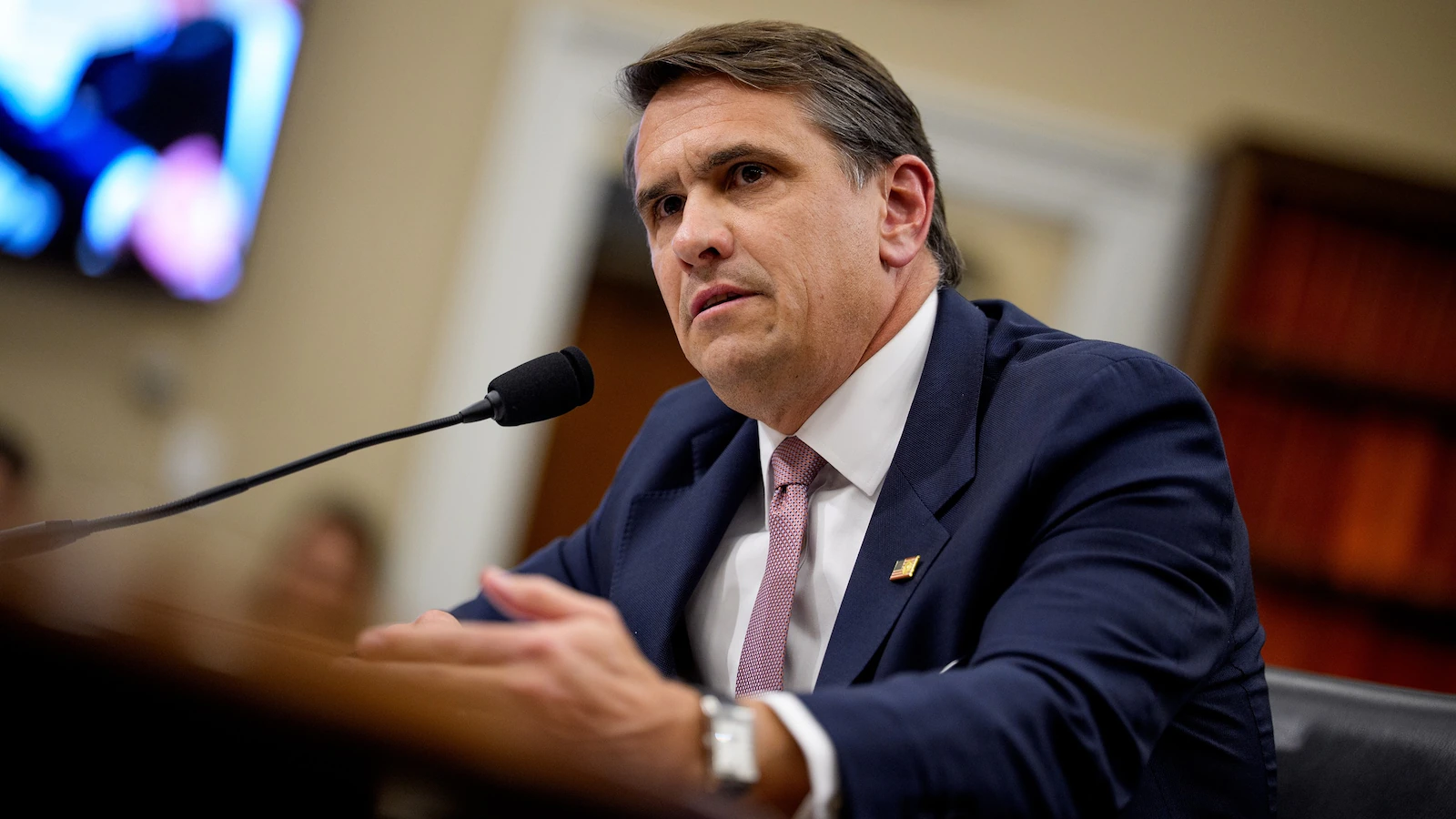
Trump Formally Nominates Todd Blanche to Serve as Attorney General
Cyberzenhub.com – The U.S. Senate on Monday officially accepted President Donald Trump’s nomination of Todd Blanche to assume the role of Attorney General, marking a pivotal moment in the administration’s legal strategy. This move has sparked speculation about the nature of the confirmation process, which is anticipated to be a high-stakes political affair. While the details of Blanche’s qualifications and policy stances remain under scrutiny, the decision signals a shift in the direction of the Department of Justice under the new leadership.
Background of Todd Blanche
Todd Blanche, a prominent figure in the legal field, has spent over two decades shaping the landscape of American jurisprudence. A native of Texas, Blanche graduated from the University of Texas School of Law and quickly established himself as a formidable advocate in both state and federal courts. His career has been defined by a focus on criminal law and regulatory compliance, with notable work in antitrust cases and corporate defense. Prior to his nomination, Blanche served as a senior advisor to the Department of Justice, where he was instrumental in developing policies related to sentencing guidelines and federal law enforcement priorities.
Before joining the federal government, Blanche held key positions in private practice, representing major corporations in high-profile litigation. His ability to navigate complex legal frameworks has earned him recognition among peers and clients alike. In recent years, he has also been active in public policy, advocating for reforms that align with the principles of judicial efficiency and cost containment. These experiences have positioned him as a candidate with a well-rounded understanding of the legal system, though his ideological leanings have been a point of discussion among critics and supporters alike.
Potential Challenges in Confirmation
The confirmation of Todd Blanche as Attorney General is poised to become one of the more contentious political battles in the current session. With the Senate majority controlled by the Republican Party, the nomination is expected to pass relatively smoothly, but the opposition may raise objections based on Blanche’s past rulings or perceived alignment with conservative legal philosophy. Some lawmakers argue that his tenure in private practice could raise concerns about conflicts of interest, particularly if he is seen as prioritizing corporate interests over public welfare.
Political analysts suggest that the confirmation process could extend beyond the standard timeframe, given the potential for debates on judicial philosophy and the role of the federal government in regulating industry. Blanche’s past involvement in cases involving environmental regulations and labor laws has drawn attention, with some Democrats expressing reservations about his approach to regulatory oversight. Meanwhile, Trump’s allies have highlighted his commitment to reducing bureaucratic red tape and empowering federal agencies to act with greater autonomy.
Implications for the Department of Justice
If confirmed, Blanche’s leadership is likely to influence the Department of Justice’s agenda in the coming years. His focus on criminal justice reform and the privatization of legal services has already begun to shape discussions within the administration. Advocates for his appointment argue that his experience will bring a fresh perspective to the DOJ, emphasizing efficiency and transparency in legal proceedings. However, opponents warn that his policies could lead to a more aggressive stance in prosecuting individuals while scaling back regulations on corporations.
The choice of Blanche also reflects Trump’s broader strategy of appointing legal professionals who share his vision for the justice system. His nomination follows a pattern of selecting individuals with a track record of supporting deregulation and upholding conservative legal standards. This trend has drawn criticism from some legal scholars, who believe it may consolidate power within the executive branch and limit the DOJ’s role as an independent arbiter of justice. Despite these concerns, the administration remains confident in Blanche’s ability to execute its agenda effectively.
Political Context and Public Reaction
The timing of Blanche’s nomination has been interpreted by some as a response to recent developments in the legal landscape. With the Supreme Court’s recent rulings favoring corporate interests, Blanche’s appointment could bolster the administration’s efforts to align the DOJ with a more business-friendly approach. Public reaction has been mixed, with media outlets highlighting both the advantages and potential drawbacks of his selection. One prominent legal expert remarked,
“Blanche’s background in corporate law makes him an ideal candidate for modernizing the DOJ’s approach to regulation, but his confirmation will depend on how effectively he can address concerns about bias and accountability.”
Meanwhile, the Senate’s official acceptance of the nomination has not silenced calls for further examination of Blanche’s credentials. Some lawmakers have already begun drafting questions for the confirmation hearing, focusing on his past decisions and their impact on civil liberties. Others have emphasized the importance of swift action to avoid delays in the implementation of key policies. As the confirmation process moves forward, the media will play a critical role in shaping public perception, with ongoing coverage likely to highlight any controversies or endorsements surrounding the nominee.
Blanche’s confirmation could also serve as a test case for the Senate’s ability to handle high-profile nominations in a polarized environment. The chamber’s previous experiences with contentious confirmations, such as those of past Attorney Generals, provide a backdrop for the potential drama ahead. Analysts note that the confirmation vote may reflect broader political trends, with Senate Republicans seeking to solidify their control over the judiciary and Democrats pushing for greater oversight. Regardless of the outcome, the decision underscores the significance of the Attorney General’s role in shaping the legal and regulatory framework of the nation.
As the story develops, key stakeholders—including legal experts, advocacy groups, and members of the public—will be watching closely. Blanche’s ability to navigate the confirmation process and gain bipartisan support will be crucial in determining the long-term impact of his appointment. The Senate’s formal acceptance of the nomination is only the beginning of a complex journey that could influence the course of American law for years to come. With updates expected in the coming weeks, the political and legal community remains on high alert, ready to respond to any changes in the trajectory of the confirmation battle.