Epstein survivors again urge senators not: Epstein Survivors Again Urge Senators to Block Blanche Confirmation Cyberzenhub.com – A coalition of two
Epstein Survivors Again Urge Senators to Block Blanche Confirmation
Cyberzenhub.com – A coalition of two dozen survivors from the Jeffrey Epstein and Ghislaine Maxwell abuse cases has renewed their campaign against Todd Blanche’s potential appointment as attorney general. In correspondence addressed to Republican senators Thom Tillis and John Cornyn, these advocates expressed deep concerns about the nominee’s recent interactions with victims and his overall approach to accountability.
The survivors characterized Blanche’s meeting with them as merely “a box-checking exercise arranged only after his confirmation was put at risk.” According to their letter, the session provided victims with “an hour of deflection, interruption and gaslighting” rather than genuine engagement. The group emphasized that Blanche demonstrated no contrition for the controversial release of documents that exposed survivors’ identities and photographs.
Meeting Highlights Tensions Between Victims and Nominee
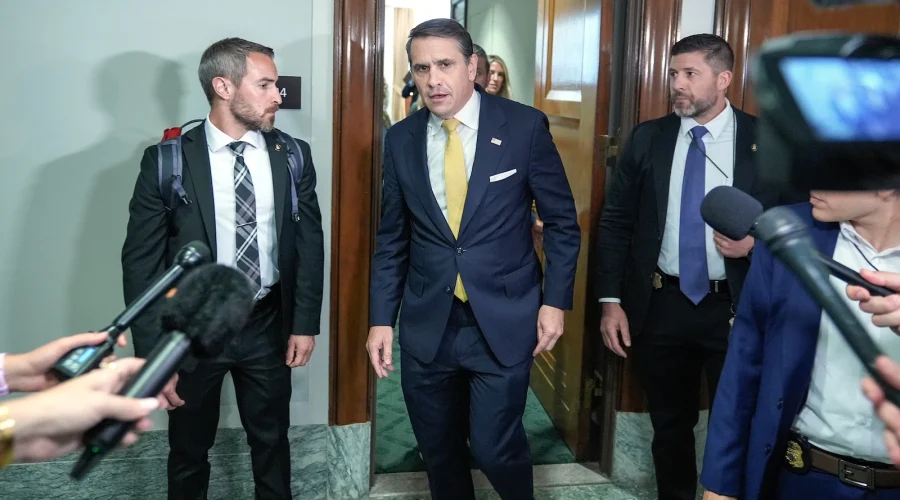
During the encounter at the Department of Justice, Blanche characterized the discussion as “productive” while acknowledging that survivors conveyed significant frustration. The acting attorney general admitted that the meeting “wasn’t all cordial” because victims sought forms of justice that he felt unable to provide through prosecutions alone. “And I want to be able to give justice in the form of prosecutions, but and maybe we could do a prosecution at some point. I don’t know,” Blanche explained to reporters following the session.
“Blanche’s willingness to sit in a room with us should not matter more than how he treated us once he was there,” the survivors wrote in their letter to senators.
Annie Farmer, one of the prominent survivors involved in the campaign, stated she was “even more confident in urging senators to vote against his confirmation as the United States’ Attorney General.” She described Blanche as “abrasive, condescending, and intentionally noncommittal to survivors” during their interaction. The senator had previously required Blanche to meet with victims to secure his support for confirmation.
Beyond the meeting dynamics, the survivors raised serious concerns about the Department of Justice’s handling of Epstein-related materials under Blanche’s leadership. They alleged that the agency improperly released files containing victims’ names and personal identifying information while allegedly failing to pursue investigative leads concerning Epstein’s associates. Blanche has acknowledged these redaction errors but denied that any materials were withheld specifically to protect Epstein Associates.
The letter concluded by reminding both senators that they have established records of standing with survivors of human trafficking and sexual assault. “A vote to confirm Todd Blanche would be a vote against those survivors,” the correspondence emphasized. The group argued that the mere existence of the meeting should not automatically earn Tillis’s support for the nominee’s confirmation to lead the nation’s top law enforcement agency.
Related SEO Topics
- Home
- Artikel terkait Epstein survivors again urge senators not
- Speaker Johnson supports expanding ban on lawmaker relationships with subordinates
- Judge temporarily blocks deportation of witness to fatal Houston ICE shooting
- Can a democratic socialist win governor’s race in battleground Wisconsin? Depends on who you ask
- Trump says he will ‘honor our heroes’ and attend dignified transfer at Dover Air Force Base Wednesday
Frequently Asked Questions
What is Epstein survivors again urge senators not?
Epstein survivors again urge senators not is the main topic covered in this article, with practical context to help readers understand the subject clearly.
Why does Epstein survivors again urge senators not matter?
Epstein survivors again urge senators not matters because it helps readers compare options, avoid common mistakes, and make a more informed decision.
How should readers use this Epstein survivors again urge senators not guide?
Use the key points, examples, and related links in this page as a starting point, then review the latest details before making a final decision.