Trump Appears to Downplay Iran War Deaths in Social Media Posts
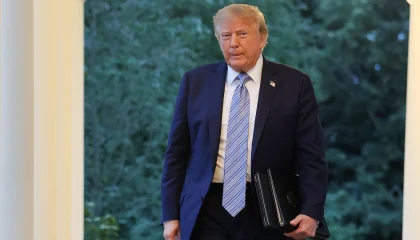
Cyberzenhub.com – Trump appears to downplay Iran war casualties as President Donald Trump uses his social media platforms to contextualize recent Middle Eastern losses. By comparing current figures to historical conflicts, he seeks to minimize public concern over the growing death toll. On his Truth Social platform, the former president shared statistics from Afghanistan, Iraq, Vietnam, and Korea—campaigns that claimed thousands of American lives. He contrasted these with just eighteen deaths during the Iran engagement, which has spanned only four months.
Historical Comparisons and Current Context
“These are the real facts,” Trump wrote alongside a visual chart in one of his posts. Notably, he continues calling the situation a “military conflict” rather than a war, even within his own graphical comparisons. This messaging comes after four additional personnel died in Iranian strikes—the first American fatalities since a temporary truce collapsed two weeks earlier.
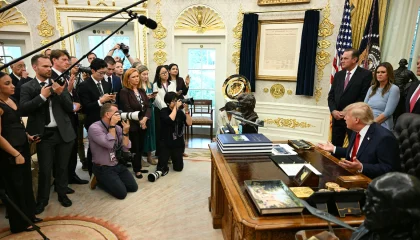
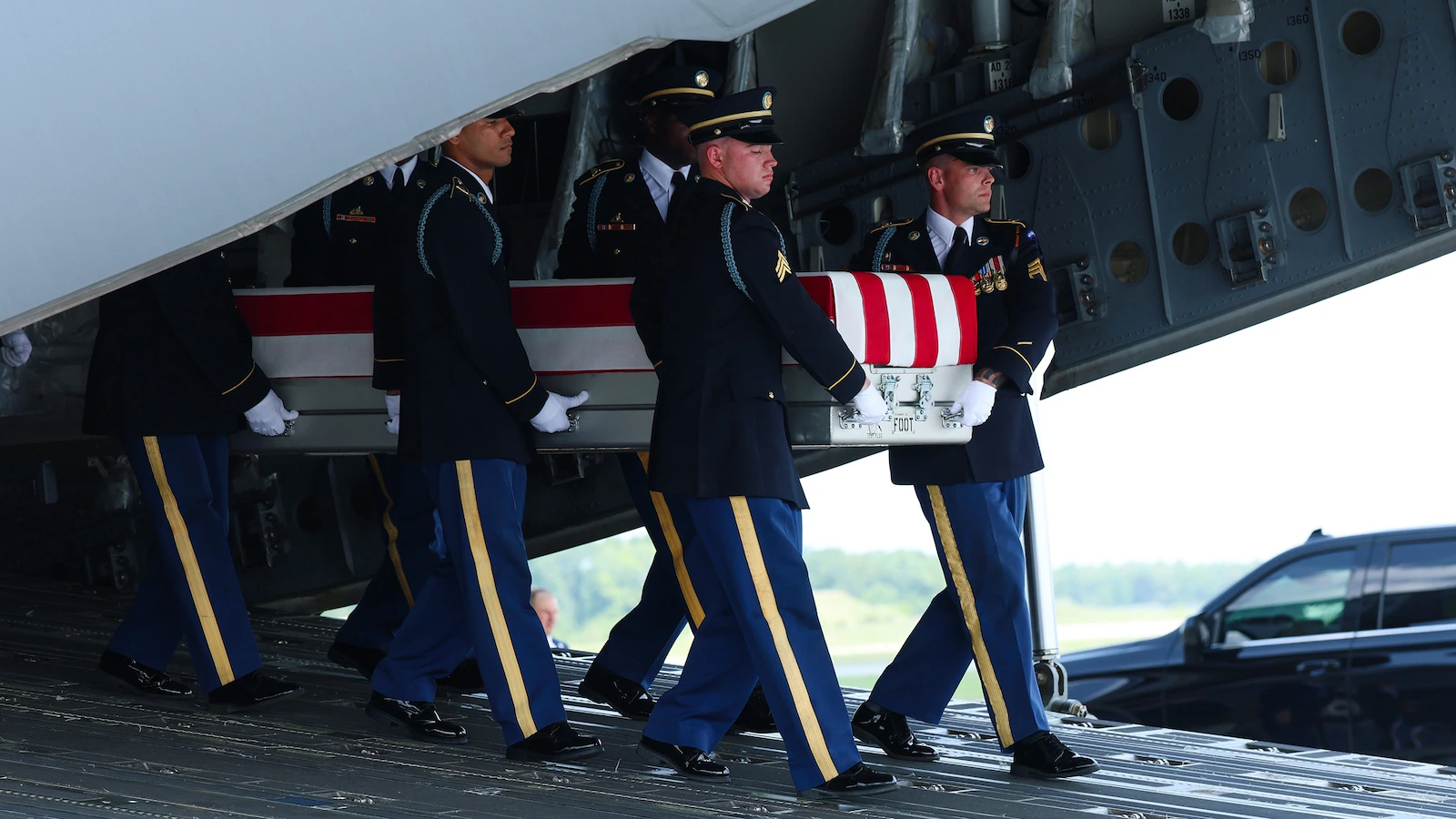
On Wednesday, the president attended a ceremony at Dover Air Force Base to receive the remains of Staff Sgt. Michael Emmanuel Swinton. He pledged to respond to these losses. Hostilities resumed this month following a brief calm. Tensions remain elevated as both nations exchange daily bombardments. Additionally, Iran has restricted navigation through the Strait of Hormuz, a critical global oil supply route.
Political and Financial Concerns Mount
Since the joint U.S.-Israel offensive began in late February, domestic opinion has shifted against the campaign. Some Republican lawmakers worry about long-term military entanglement, rising fuel costs, and potential electoral consequences before the November midterms. Secretary of Defense Pete Hegseth told senators that expenses have reached $37.5 billion. During a hearing with the Senate Appropriations Committee, he requested another $67 billion. Democrats urged greater clarity regarding strategic objectives and progress.
These estimates may exclude reconstruction expenses for damaged military installations. Reports indicate the Army is already reducing training budgets to manage rising expenditures. In a conversation with the New York Post, Trump acknowledged the tragedy but emphasized scale. He remarked:
“Have you ever asked how many people died in Vietnam? Have you ever asked how many people died in Afghanistan in one day? In one day — run by Sleepy Joe Biden.”
He frequently criticizes his predecessor regarding the Abbey Gate incident, which claimed thirteen lives during the chaotic withdrawal. When questioned previously, Trump noted, “We’re in Vietnam for 19 years, we’re here for four months, so I think we’ve done a lot.” American forces initially deployed advisors in 1950 before landing troops in 1964 and withdrawing in 1973.
Some numbers cited by the president are approximate. For example, he stated 2,000 deaths in Afghanistan, whereas official records show 2,350, including non-combat incidents. Democratic leaders have seized upon these remarks, arguing that Trump appears to downplay Iran casualties by minimizing the sacrifice of American servicemen and women. The ongoing debate highlights the growing political pressure surrounding the duration and financial burden of the conflict.
As the situation evolves, the administration faces scrutiny over transparency and resource allocation. The comparison to past conflicts serves as a rhetorical tool to frame the current crisis as manageable despite the rising death count. Meanwhile, the blockade of the Strait of Hormuz continues to impact international markets, adding economic weight to the military operations. The White House maintains that the response will be proportional to the threats posed by Tehran.
Public attention remains fixed on the potential for further escalation. With midterm elections approaching, both parties are positioning themselves regarding the war’s trajectory. The president’s consistent messaging aims to project confidence while addressing the immediate grief of families affected by the fighting. Whether the comparisons hold up under scrutiny remains a point of contention among political observers and military analysts alike.
Related SEO Topics
- Home
- Artikel terkait Trump appears to downplay Iran war deaths
- FDA advisory committee votes to add popular peptide BPC-157 to drug compounding list
- DOJ agrees to withdraw subpoenas for New York Times journalists
- Democratic National Committee set to take key vote towards determining its 2028 presidential calendar
- Trump set to impose sweeping tariffs on 60 trade partners
Frequently Asked Questions
What is Trump appears to downplay Iran war deaths?
Trump appears to downplay Iran war deaths is the main topic covered in this article, with practical context to help readers understand the subject clearly.
Why does Trump appears to downplay Iran war deaths matter?
Trump appears to downplay Iran war deaths matters because it helps readers compare options, avoid common mistakes, and make a more informed decision.
How should readers use this Trump appears to downplay Iran war deaths guide?
Use the key points, examples, and related links in this page as a starting point, then review the latest details before making a final decision.