Trump to Announce 22 5 Billion Overhaul for Dulles International Airport
Cyberzenhub.com – President Donald Trump and Transportation Secretary Sean Duffy are set to officially announce a comprehensive $22.5 billion transformation plan for Dulles International Airport this Wednesday. This massive infrastructure initiative, which will be partially funded by taxpayers, represents one of the most significant airport modernization efforts in recent American history. According to White House sources, the financial burden will be shared between the Metropolitan Washington Airports Authority and the commercial airlines that currently operate from the Washington, D.C. facility.
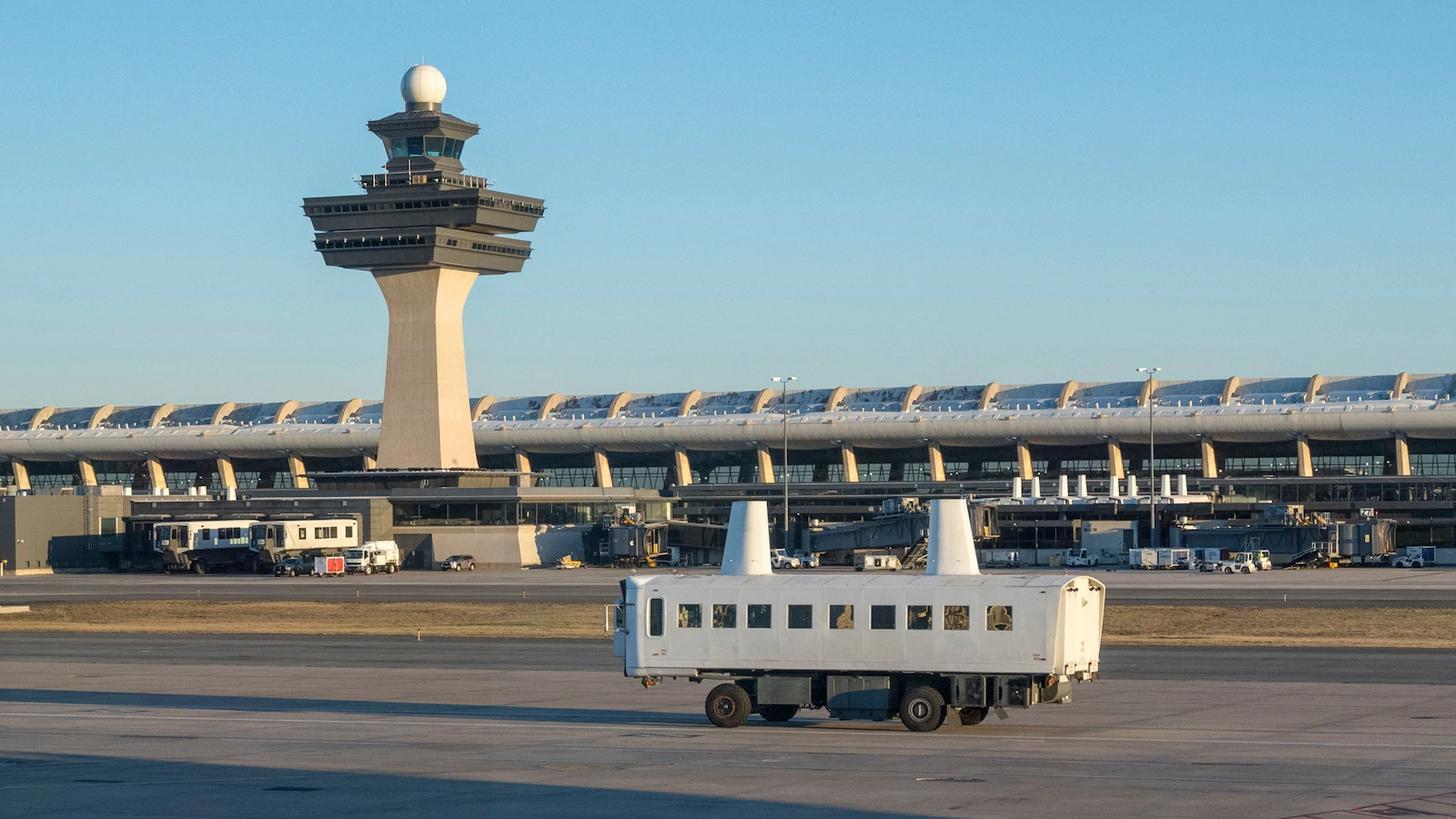
The ambitious renovation project encompasses several major components designed to modernize the aging infrastructure. Four entirely new concourses will be constructed to accommodate growing passenger traffic, while the existing parking facilities will be relocated closer to the main terminal building. Perhaps most notably, the airport will eliminate its distinctive mobile lounges—commonly referred to as “people movers”—which have transported passengers between the terminal and outlying gates since the 1960s.
Modernization Features and Timeline
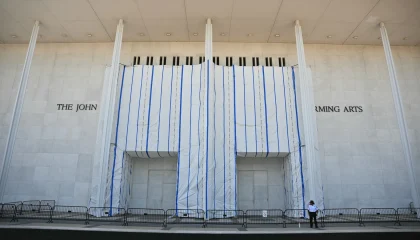
Among the most anticipated additions is an extended underground aerotrain system that will provide seamless transportation for travelers heading to various concourses. The renovation package also includes the installation of moving sidewalks throughout both the terminal and new concourse areas, significantly reducing walking distances for passengers. Since assuming office for his second term, Trump has championed several high-profile Washington-area projects, including the construction of a new ballroom at the White House and a proposed renovation of the Kennedy Center.
The multiyear construction project will fundamentally alter the airport’s layout while preserving the historic character of the iconic main terminal building. United Airlines, currently the airport’s largest carrier, operates the majority of its flights from a terminal originally constructed in 1985 as a temporary facility. That structure underwent extensive rehabilitation in 2006 to extend its operational lifespan, but many travelers and industry experts have long considered it outdated compared to modern airport standards.
“We’re also going to rebuild Dulles Airport, because it’s not a good airport. It should be a great airport, but it’s not a good airport at all, it’s a terrible airport,” Trump stated during his December announcement. “We have a design that’s amazing for Dulles.”
United Airlines has been actively collaborating behind the scenes on the architectural design and operational details of the overhaul. The airport has faced mounting criticism for remaining an antiquated facility relative to other major American airports. The mobile lounges have particularly drawn scrutiny, with safety concerns emerging last November when eight passengers were injured after one vehicle struck a dock while approaching a concourse.
Public Input and Future Plans
In December, the Department of Transportation submitted a formal request for information seeking public proposals and public-private partnership opportunities to revitalize the airport. More than 30 proposals and detailed comments were subsequently submitted in response to the DOT’s inquiry. Early design concepts released by the airport authority included one proposal calling for the main terminal to be renamed the Donald J. Trump Terminal, though it remains unclear whether this honor will be incorporated into the final plans.
The announcement marks a significant milestone in what officials describe as a transformative era for Dulles International Airport. As construction progresses, the airport aims to position itself as a world-class gateway for international and domestic travelers alike.
Frequently Asked Questions
When will the Trump to announce 22 5 billion plan be officially revealed? The announcement is scheduled for Wednesday, with President Trump and Transportation Secretary Sean Duffy expected to present the details to the public.
How will the $22.5 billion cost be distributed? Funding will come from multiple sources, including taxpayer contributions, the Metropolitan Washington Airports Authority, and participating airlines operating at Dulles.
What major changes will passengers experience? Travelers will see four new concourses, relocated parking closer to the terminal, an underground aerotrain, moving sidewalks, and the removal of the historic mobile lounges.
Is the terminal being renamed after Trump? Early design concepts proposed naming the main terminal the Donald J. Trump Terminal, but this has not been confirmed as part of the final plans.