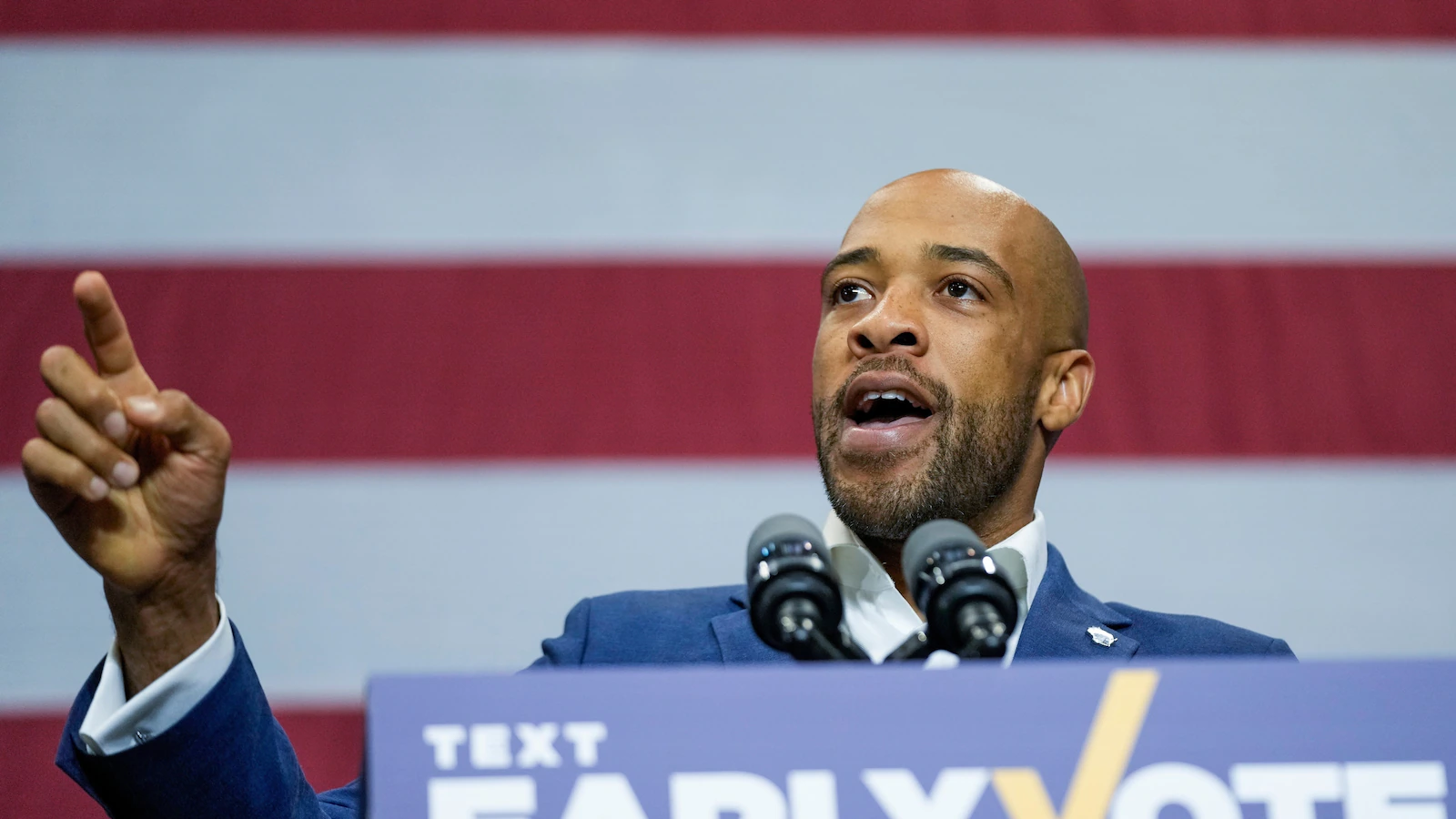
Cyberzenhub.com – MADISON, Wis. — Mandela Barnes dropped out of Democratic primary for Wisconsin governor on Thursday, further shaking up the race less than two weeks before the Aug. 11 election.
The former lieutenant governor made the announcement in a video posted on his Facebook page as democratic socialist Francesca Hong has garnered strong support from the liberal wing of the party. Barnes’ decision to drop out came a day after the release of a Marquette Law School poll of Wisconsin Democratic primary voters that found Hong leading Barnes and the other candidates by a significant margin, although about one-third of primary voters remained undecided. “It's become very clear who our nominee is going to be,” Barnes said.
Barnes is the third Democrat to withdraw from the race. Lt. Gov.
Sara Rodriguez ended her run amid a campaign finance scandal two weeks ago and former state economic development director Missy Hughes dropped out in June. After Rodriguez ended her campaign, Milwaukee County Executive David Crowley rejoined the race with the endorsement of Gov. Tony Evers.
Evers told reporters Thursday that he was surprised by Barnes’ move. “But he needs to do what he needs to do,” Evers said. “I don’t know why he’s getting out.
I have to believe it’s something relatively important.” Evers said he stuck by his endorsement of Crowley, who worked closely with Evers and Republican lawmakers on a deal to increase funding for local communities. Evers chose to endorse him over Barnes, who served as his lieutenant governor in his first term. Popular Reads Iran live updates: Egypt confirms Mediterranean port fire was caused by drone 2 hours ago Trump administration to end Medicare Part D subsidy program in 2027 Jul 29, 8:12 AM Trump met with advisers on Iran options, sources say Jul 26, 3:49 PM Evers said Crowley was the best candidate “even if Mandela was in.” Hong did not immediately return a text message seeking comment.
Joel Brennan, a longshot candidate in the race, said “It’s unfortunate for voters that this primary has gotten more attention for chaos than the stakes of this election." The shakeup comes after nearly 128,000 voters have already returned absentee ballots and on the third day of in-person early voting. On Wednesday, a judge rejected a lawsuit supported by the Democratic Party seeking to allow voters who have already returned their absentee ballots to cancel them and vote again. The winner of the Democratic primary is expected to face U.S.
Rep. Tom Tiffany, who faces only nominal opposition in the Republican primary. Tiffany, who has the endorsement of President Donald Trump, did not immediately return a message seeking comment.
Barnes ending his campaign comes after he benefitted from other candidates dropping out in the Democratic primary race for Senate in 2022 to clear the field for him. He ended up losing by under 27,000 votes that year to Republican U.S. Sen.
Ron Johnson.
Related Reading
Frequently Asked Questions
What is Mandela Barnes drops out of the Democratic?
Mandela Barnes drops out of the Democratic is the main topic of this guide. The article explains the context, practical details, and next steps readers should understand.
Why does Mandela Barnes drops out of the Democratic matter?
Mandela Barnes drops out of the Democratic matters because readers are looking for a useful answer, not just a short summary. Good content should match search intent and help them decide what to do next.