Trump Administration Files Denaturalization Cases Exceeding Biden Era Totals
Cyberzenhub.com – The Department of Justice (DOJ) announced on Monday that it is pursuing the removal of citizenship from 17 naturalized individuals who have been convicted of various offenses, including sex crimes, drug-related activities, and financial fraud. This marks a significant escalation in the administration’s efforts to denaturalize citizens, with the number of cases filed under the current regime surpassing the total from the Biden administration’s four-year tenure. The move underscores a broader policy shift aimed at holding immigrants accountable for legal violations after they attain citizenship.
Legal Framework for Denaturalization
Denaturalization requires the DOJ to submit formal legal documentation to courts, proving that an individual misrepresented their criminal history during the naturalization process. This typically involves demonstrating that the applicant concealed prior convictions or committed fraud to secure their status. The timeline for each case varies depending on the jurisdiction, but the process is designed to ensure rigorous scrutiny of those who claim U.S. citizenship. Under Trump’s leadership, the agency has prioritized expediting these cases, often citing the need to protect national security and uphold the integrity of the citizenship process.
According to DOJ records, the Trump administration has initiated 52 civil denaturalization lawsuits since the start of his second term, compared to just 24 during the Biden administration. This discrepancy highlights a notable acceleration in the use of denaturalization as a tool for immigration enforcement. The policy has been framed as a means to target individuals who have not only broken laws but also exploited the system through dishonesty.
Policy Justification and Rhetoric
Acting Attorney General Todd Blanche emphasized that citizenship is a privilege, not an automatic right, and that those who commit crimes after naturalization must face consequences. “Criminal aliens who take advantage of the naturalization process by hiding their past misconduct—whether they are drug dealers, sexual predators, or fraudsters—threaten the trust we place in our citizens,” Blanche stated in a recent statement. The administration has argued that denaturalization serves as a deterrent against illegal behavior, reinforcing the idea that citizenship should be earned through honest adherence to the law.
Department of Homeland Security Secretary Markwayne Mullin echoed this sentiment, asserting that the agency would not tolerate criminals who have “gamed our immigration system.” “When immigrants enter the country, violate our laws, and lie during their proceedings, they forfeit the right to remain as citizens,” Mullin added. The rhetoric aligns with Trump’s broader narrative on immigration, which has often focused on the idea that certain individuals exploit U.S. generosity to gain permanent status.
These denaturalization efforts have drawn criticism from legal experts and advocacy groups, who argue that the policy could lead to the removal of citizens based on minor offenses or flawed evidence. However, supporters maintain that the process is fair and necessary to maintain the credibility of the citizenship system. The cases filed thus far include individuals convicted of serious crimes, such as sexual assault and drug trafficking, but the administration has also pursued cases involving lesser charges, such as fraud or repeated traffic violations.
Historical Context and Comparative Analysis
The DOJ’s focus on denaturalization reflects a long-standing policy under Trump, which has emphasized strict enforcement of immigration laws. In contrast, the Biden administration has generally taken a more lenient approach, prioritizing the integration of immigrants and reducing the number of denaturalization cases. This shift in strategy has been a point of contention in political discourse, with Republicans often highlighting the Trump-era record as evidence of decisive action on immigration.
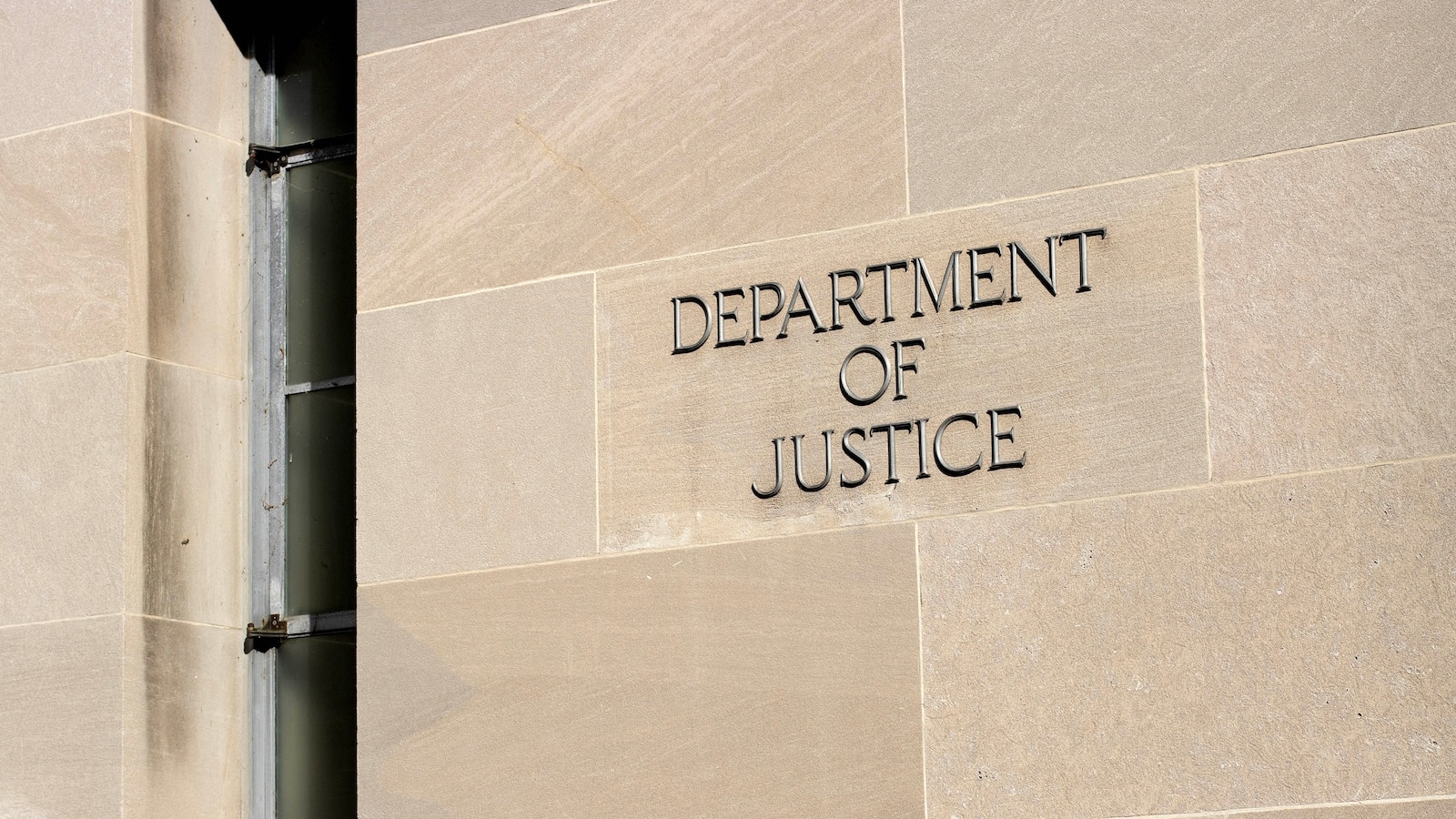
While the current administration’s denaturalization cases represent a substantial increase, the legal process remains complex. For example, the June 21, 2022, file photo of the Robert F. Kennedy Building, the DOJ’s headquarters, symbolizes the bureaucratic infrastructure supporting these efforts. Each case must be reviewed individually, and the burden of proof falls on the government to establish that the citizen’s criminal history was not disclosed during their naturalization application. Critics argue that this could lead to the removal of individuals who have since reformed their behavior or whose crimes are not directly tied to the naturalization process.
Despite these concerns, the Trump administration has consistently defended its approach. “The zero-tolerance policy under President Trump ensures that those who abuse the system are held accountable,” Blanche noted. The policy has also been linked to broader efforts to strengthen border security and reduce the number of “criminal aliens” within the country. By targeting denaturalization, the administration aims to address not only the legal status of individuals but also the perceived threat they pose to American society.
Related Developments and Implications
The recent denaturalization filings come amid ongoing debates about the role of citizenship in the United States. The House panel’s advancement of a $70 billion immigration bill earlier this year has further fueled discussions about strengthening oversight of naturalization. This bill includes provisions to enhance background checks for applicants and streamline the denaturalization process, aligning with the Trump administration’s priorities.
Additionally, the formal nomination of Todd Blanche as acting attorney general in June 2022 signaled a continued commitment to the administration’s immigration enforcement agenda. Blanche has been a vocal advocate for denaturalization, emphasizing the need to remove individuals who have “lied about their past crimes.” His comments reflect a coordinated effort between the DOJ and the Department of Homeland Security to target immigration fraud and maintain strict standards for citizenship.
As the number of denaturalization cases grows, the policy’s impact on immigrant communities and the legal system will become more pronounced. Advocacy groups warn that the approach could lead to the removal of citizens who are no longer a threat, while supporters argue it reinforces the principle that citizenship is a reward for lawful behavior. The debate over denaturalization continues to shape the political landscape, with the DOJ’s actions serving as a focal point for discussions about immigration reform and national identity.
Conclusion and Future Outlook
The Trump administration’s denaturalization efforts represent a pivotal moment in U.S. immigration policy, with the number of cases filed exceeding the Biden era’s total. While the legal process remains robust, the emphasis on expediting cases has raised questions about fairness and due process. As the DOJ continues to pursue this strategy, the balance between enforcing immigration laws and protecting the rights of naturalized citizens will remain a central issue in the ongoing debate over national identity and legal accountability.
“When criminal aliens exploit the naturalization process by breaking the law, there are consequences. Criminal aliens are lying about their past crimes, including drug dealers, sexual predators, and fraudsters,” acting Attorney General Todd Blanche said.
“American citizenship is a privilege, and it must be earned honestly. If you come here, break our laws, and lie in your immigration proceedings, you forfeit that privilege,” Department of Homeland Security Secretary Markwayne Mullin said.