
U.S. forecast to bring extreme heat, cold and everything in between
U.S. forecast to bring extreme heat, cold and everything in between
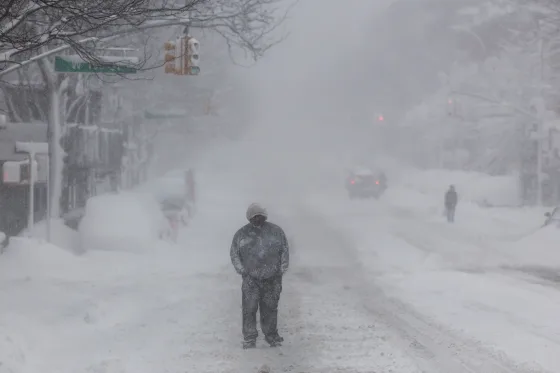
Across the nation, the weather is set to shift dramatically, with some regions facing intense heat while others brace for harsh cold. In Hawaii, relentless downpours have already begun, signaling the start of a wetter season. Meanwhile, the Southwest is on track to endure prolonged periods of scorching temperatures, surpassing 100 degrees Fahrenheit. Two storm systems will deliver significant snowfall to the northern Great Lakes, and the polar vortex is expected to return, casting a frigid grip on the Midwest and East.
Weather whiplash has already struck the eastern part of the country. On Wednesday, Washington, D.C., experienced 86 degrees Fahrenheit, prompting residents to wear shorts. By Thursday, the temperature dropped sharply, blanketing the area in snow. “The country is transitioning between cold and warm conditions, with extremes becoming more common,” said Marc Chenard, a National Weather Service meteorologist in Maryland.
Heatwaves and Cold Snaps
Extreme weather is anticipated in all 50 states, according to Ryan Maue, former NOAA chief scientist. A heat dome will form early next week, focusing intense heat on the Southwest. Phoenix, for instance, is projected to see temperatures rise from 98 to 107 degrees Fahrenheit within days. “This early heat is unusual, and its impact will be greater than typical due to lack of acclimation,” Maue noted.
In contrast, the polar vortex will extend its reach, plunging parts of the Midwest and East into Arctic conditions. Minneapolis could hit freezing temperatures, while Chicago may fall into single-digit ranges. Even Atlanta might experience a rare drop into the 20s. The cold will coincide with a snowstorm expected to dump 3 to 4 feet of snow over the northern tier, potentially qualifying as a bomb cyclone due to rapid pressure changes.
Storm Systems and Secondary Impacts
Jeff Masters, a meteorologist with Yale Climate Connections, warned of an ice storm in Michigan near the snow-heavy areas. Meanwhile, high winds of up to 60 mph will sweep through parts of Texas and the Gulf Coast, increasing wildfire risks in regions with limited rainfall. Nebraska Gov. Jim Pillen has declared an emergency, deploying the National Guard to combat wildfires that have scorched over 550 square miles.
Maue also highlighted Hawaii’s atmospheric river, which is causing severe flooding on Oahu. Alaska, typically cold, will see temperatures plummet 30 degrees below average, creating a stark contrast to the South’s heat. “It is the time of year where” the weather patterns will continue to challenge the nation, he added.
“The back of my neck was melting,” said Shane Dixon, 40, who normally runs 5 miles near Culver City. “I could go literally soak myself and walk out in the sun, and I’ll make it home fine. If it was freezing cold, I could not do this.”