
FCC chair threatens to revoke broadcasters’ licenses amid Trump comments on Iran coverage
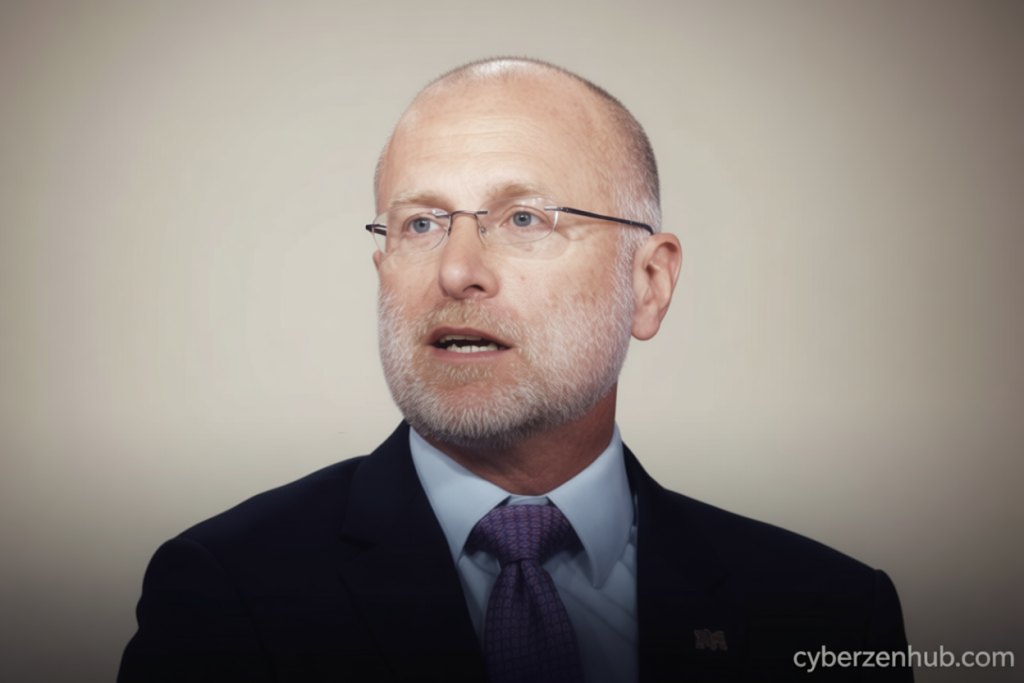
FCC Chair’s New Threats Target Broadcasters Over Iran Coverage
On Saturday, Federal Communications Commission (FCC) Chairman Brendan Carr intensified his scrutiny of broadcasters, citing President Donald Trump’s recent remarks on Iran war reporting as a focal point. Carr shared a screenshot of Trump’s post on Truth Social, in which the president criticized the New York Times, Wall Street Journal, and other media outlets for “terrible reporting” on the U.S. and Israel’s military actions against Iran. The post also labeled them as “lowlife ‘papers’ and media,” amplifying Carr’s call for accountability.
Public Interest Obligation at the Core
Carr warned that broadcasters must align with the public interest or face consequences. “Broadcasters must operate in the public interest, and they will lose their licenses if they do not,” he asserted. This statement underscores the FCC’s role in enforcing standards for stations using public airwaves, though the agency does not regulate networks or organizations stations partner with unless those entities are direct licensees.
“Broadcasters must operate in the public interest, and they will lose their licenses if they do not.”
Focus on Wartime Reporting
For the first time, Carr linked his criticisms to wartime coverage, expanding his usual focus on campaign reporting. He cited “hoaxes and distortions” during the 2024 presidential race, claiming they eroded public trust in media. By referencing Trump’s post, Carr emphasized the broader implications of media bias in shaping public perception during conflicts.
Trump has long accused media outlets of spreading falsehoods when their coverage is unfavorable. He has previously advocated for revoking licenses of broadcasters he views as unfair, a strategy that Carr now appears to adopt in response to the president’s comments on Iran.
Political Reactions to the FCC’s Stance
Democratic lawmakers and some Republican figures have raised concerns about the Trump administration’s push to penalize broadcasters. Carr, however, cites public opinion polls as support for his position, arguing that widespread media distrust validates his approach. The controversy highlights a growing tension between regulatory enforcement and political influence in shaping news content.