
Starmer distances UK from Iran war as EU leaders rule out sending warships
Starmer Distances UK from Iran War as EU Leaders Rule Out Sending Warships
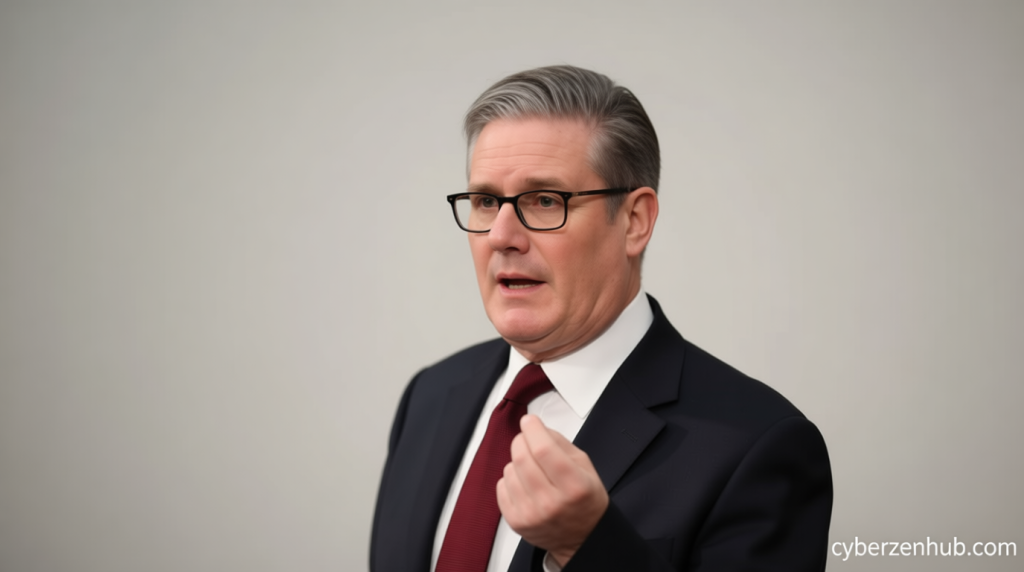
Prime Minister Keir Starmer has emphasized the UK’s commitment to avoiding involvement in the broader Middle East conflict, as European leaders collectively declined to deploy naval vessels to the strategic Hormuz Strait. This decision marks a clear departure from the U.S. approach under Donald Trump, who has pressed allies to assist in reopening the critical waterway. Starmer acknowledged the challenge of maintaining independence from American military pressure, stating the situation was “difficult, there’s no denying that.”
With concerns rising domestically over U.S. demands for British military support in securing shipping lanes, Starmer asserted:
“While taking necessary steps to defend ourselves and our allies, we will not be drawn into the wider war.”
The president’s warning that NATO faces “a very bad future” if members fail to help restore the strait has been met with skepticism by European leaders. Germany and Italy, alongside Australia, France, and Japan, have all signaled no intention to send ships, highlighting Washington’s growing isolation.
Trump’s Disappointment and Strategic Criticism
Trump expressed frustration over the UK’s reluctance to contribute minesweepers, calling Starmer’s stance “terrible” and questioning his loyalty as a key ally. “I was very surprised with the United Kingdom,” he remarked, recalling a prior phone call where he urged Britain to “send some ships over.” Trump reiterated his belief in the importance of NATO’s role, stating:
“You’re our oldest ally, and we spend a lot of money on, you know, NATO and all of these things to protect you.”
Starmer, during a Downing Street press conference, revealed he was “reviewing potential options” after Trump’s Sunday night request to ensure the strait remained open. Officials are preparing to deploy aerial minesweeping drones as a less aggressive alternative to shipping forces, amid fears that sending warships could intensify the crisis. The departure of HMS Middleton, the UK’s last operational minesweeping ship in the region, before the conflict began has sparked internal debate about whether the government adequately prepared.
Economic Fallout and Regional Stability
Iran’s threat to block the strait, a vital artery for a fifth of the world’s oil, has already driven prices from $65 (£49) a barrel to over $100. Economists warn of potential inflationary pressures and reduced economic growth this year. The escalating situation has further strained Starmer’s relationship with Trump, particularly after the prime minister refused to allow U.S. use of British bases for the initial Iranian strike on Tehran.
Starmer defended his decision as rooted in “principles shared by the British people,” prioritizing a measured assessment of national interests. He confirmed ongoing collaboration with allies across Europe, the U.S., and the Gulf to devise a plan for reopening the shipping route, though no immediate timeline was provided. “We will continue working toward a resolution that restores security and stability to the region,” he stated, stressing the urgency of ending the war to alleviate domestic energy costs.
Amid surging oil prices, the government announced £53 million in support for low-income households dependent on heating oil. Officials are under pressure to address broader concerns about rising energy expenses, as the conflict intensifies its impact on everyday costs. Starmer reiterated the need for a negotiated settlement, warning against allowing the Gulf war to benefit Russia’s strategic gains.