
Cuba is going dark under US pressure. How the crisis unfolded and why its troubles are far from over
Cuba is going dark under US pressure. How the crisis unfolded and why its troubles are far from over
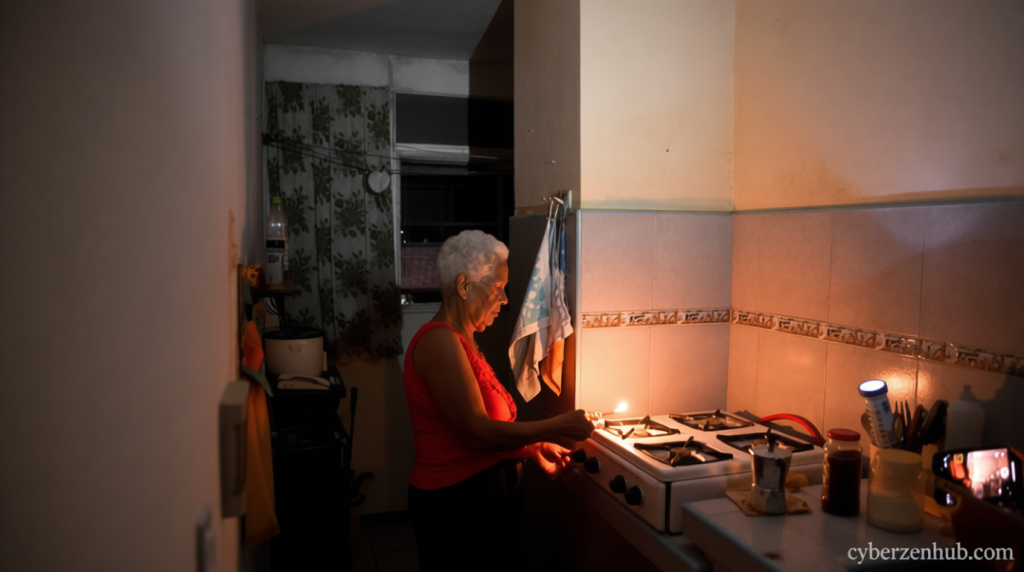
Three months into the US-led oil embargo, Cuba’s energy crisis has deepened, affecting nearly every facet of daily life. Streets in the capital now bear the weight of uncollected trash, hospitals face limits on procedures, and households rely on wood fires for heating. Power outages, once occasional, have become a regular feature, with the nation experiencing its first nationwide blackout since the sanctions were tightened. President Miguel Díaz-Canel highlighted the strain during a televised address, noting that while solutions are being pursued, the challenge remains significant.
The Embargo’s Long History
Since the 1960s, the United States has enforced an economic embargo on Cuba, a policy that has drained the island’s resources and slowed its human development progress, as noted in a UN report. Despite global appeals to ease the restrictions, Washington has intensified its pressure on Havana, targeting key energy suppliers. In January, the US cut off Venezuela, Cuba’s primary oil provider, after a military operation against its leader. Subsequently, other nations like Mexico also paused shipments, fearing additional tariffs from the US, which accused Cuba of aligning with “hostile countries and malign actors” by hosting their military and intelligence assets.
Energy Shortages and Systemic Strain
The disruption of oil supplies has deepened Cuba’s existing energy woes, leaving power plants unable to operate efficiently. Antonio Rodríguez Rodríguez, head of the National Institute of Hydraulic Resources (INRH), confirmed that the fuel shortage is also impacting water distribution. His agency is exploring solar energy as a way to reduce reliance on the grid. Meanwhile, the government claims it is boosting domestic oil production to alleviate the crisis. CNN has contacted INRH and the city’s water utility for updates on mitigation efforts.
Disruptions in Daily Life
Shortages are now disrupting multiple sectors. Educational institutions struggle with limited electricity, forcing students to disrupt their studies. Public transport has been scaled back, creating long waits and crowded buses. Hospitals, too, are under pressure, with thousands unable to access essential medical procedures. “Essential services are reaching their breaking point,” said Juanita Goebertus of Human Rights Watch. “People lack reliable water access, hospitals can’t function safely, and basic goods are harder to find, with trash piling up in the streets.”
Protests and Public Frustration
The crisis has sparked rare public demonstrations. On March 7, Havana residents gathered, using pots and pans to express their frustration. Students later joined, staging a peaceful protest at the University of Havana, citing power and internet outages as barriers to learning. In Morón, a more intense show of dissent occurred, with protesters damaging the Communist Party’s local office. Authorities reported five arrests, linking the protest to energy and food shortages.