
Trump hints at wind down of war as US prepares to send more troops to Gulf
Trump hints at wind down of war as US prepares to send more troops to Gulf
As the United States ramps up its military presence in the region, President Donald Trump has suggested the possibility of scaling back operations in the Middle East. This comes amid reports that Washington is set to deploy three additional amphibious assault ships and around 2,500 marines to the Gulf, despite earlier statements indicating a reluctance to place troops on the ground.
The president’s comments, made on Friday, followed Iran’s warning of global attacks on recreational and tourist sites, as well as continued airstrikes and missile strikes that have escalated tensions in the area. Meanwhile, U.S. officials are reportedly weighing plans to either occupy or blockade Iran’s vital Kharg Island, which controls 90% of the country’s oil exports and lies just 16 miles from the coastal city of Bushehr.
“We are getting very close to meeting our objectives as we consider winding down our great Military efforts in the Middle East with respect to the Terrorist Regime of Iran,” Trump wrote on his Truth Social platform.
Kharg Island, spanning 8 square miles, is a critical node in Iran’s energy infrastructure, connected to offshore oil fields via pipelines. Its strategic value makes it a potential target for U.S. forces aiming to disrupt Tehran’s economic leverage. However, the move could face significant resistance, given Iran’s reliance on oil revenue and its ability to retaliate with drones and rockets.
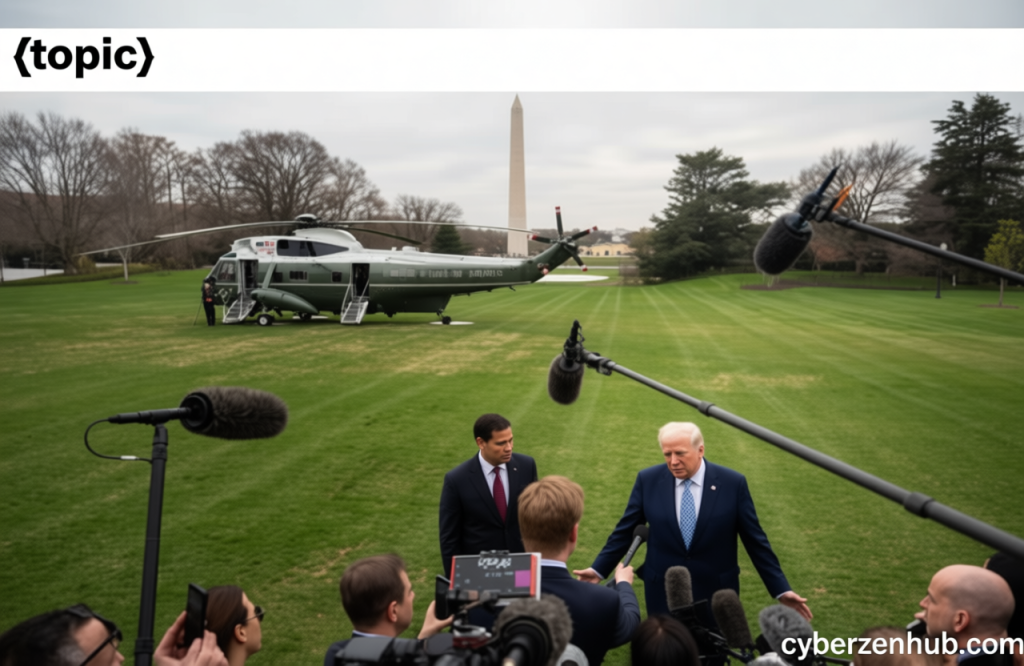
Earlier in the day, Trump emphasized that the U.S. holds the upper hand in the conflict, dismissing the idea of a ceasefire. “I don’t want to do a ceasefire. You know you don’t do a ceasefire when you’re literally obliterating the other side,” he told reporters at the White House.
The Pentagon has already dispatched the 31st Marine Expeditionary Unit, a rapid-response force of approximately 2,200 marines, to the Middle East. The USS Boxer, part of this unit, is scheduled to leave the U.S. three weeks earlier than planned. Yet, the exact missions assigned to these troops remain unclear, with officials hinting at flexibility in their approach.
“As President Trump said, he has no plans to send troops anywhere – but he wisely does not broadcast his military strategy to the media, and he retains all options as commander-in-chief,” a White House official noted.
Fighting intensifies as the war shows no signs of easing. On Friday, an Iranian drone strike targeted a Kuwait refinery, while U.S. and Israeli forces bombed 16 Iranian cargo ships in Gulf port towns. A local official from Hormozgan province stated: “Following the American-Zionist air attack, at least 16 cargo vessels belonging to citizens of the towns of Bandar Lengeh and Bandar Kong were completely burned in the fire.”
Meanwhile, heavy explosions rattled Dubai as air defenses intercepted rockets during Eid al-Fitr celebrations. Separately, Israel launched strikes against Syrian government positions, days after U.S. officials had privately proposed using Syrian forces to disarm Hezbollah in eastern Lebanon. As the conflict spreads, oil and gas prices are rising, with warnings of further economic disruption looming.