Judge Presses DOJ to Explain Epstein Files Redactions
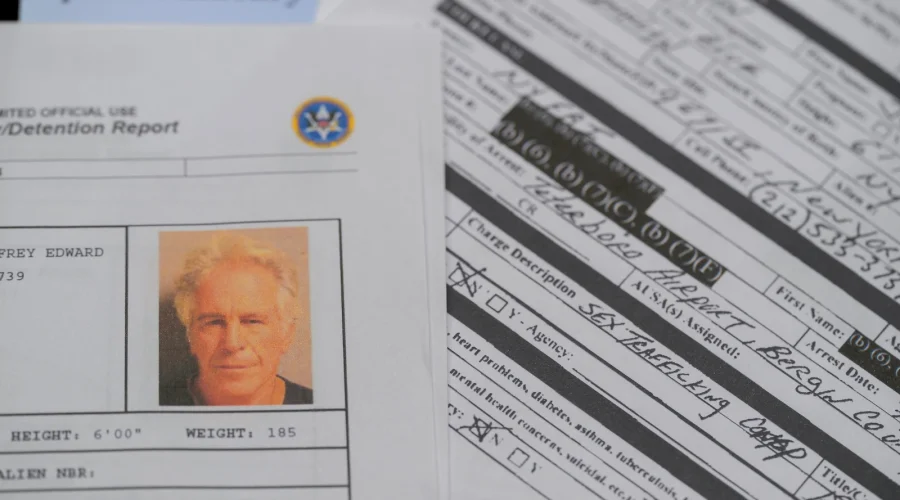
Cyberzenhub.com – A federal judge has intensified scrutiny of the Department of Justice’s handling of Epstein case materials, pressing the agency to provide clearer explanations for redactions and withheld documents. U.S. District Judge Emmet Sullivan convened a hearing this week to examine whether the government has adequately addressed concerns about improperly redacted documents and missing records from the Jeffrey Epstein case files. The legal proceedings stem from a lawsuit initiated by an independent journalist who challenged what she characterized as inappropriate redactions and missing materials within the Epstein case files. The late convicted sex offender’s case has generated significant public interest, particularly regarding potential connections to prominent figures including President Donald Trump.
Legal Foundation and Previous Rulings
Earlier this year, Judge Sullivan delivered a decisive ruling regarding the handling of Epstein-related documents. In June, the judge determined that the Justice Department’s approach to redactions and document retention violated the Epstein Files Transparency Act. This legislation was designed to ensure greater openness regarding materials connected to Epstein’s criminal activities. Following this determination, Sullivan issued an order requiring the DOJ to either release the contested materials or provide substantive justification for their continued withholding. The judge’s written ruling noted a significant concession from federal leadership:
“The Attorney General has conceded that he is in violation of the Act,” Sullivan wrote in his ruling.
The government’s response has focused on defending the redactions rather than complying with the order to release documents.
Specific Concerns Raised by the Court
Two primary issues have emerged during the judicial review process. First, the judge noted that the DOJ failed to supply adequate documentation demonstrating why certain redactions were applied to specific files. The government’s position has been that victims or potential victims contacted authorities and requested that certain individuals be classified as victims, warranting redaction. However, Sullivan indicated that this explanation lacked supporting evidence. Second, and perhaps more publicly significant, is the handling of handwritten notes from an interview with a woman who made allegations against President Donald Trump. The president has consistently denied any wrongdoing related to these claims. The Justice Department has chosen to withhold these handwritten notes from public release.
The government has argued that the handwritten notes are “substantially similar to” FBI reports of the same interviews that were already made available to the public. Additionally, the DOJ contends that releasing the handwritten notes could expose sensitive victim information. Judge Sullivan challenged this reasoning, pointing out that the Epstein Files Transparency Act contains no exception for documents that are merely “substantially similar” or duplicative of already-released materials. The court noted that the Department of Justice has previously released similar versions of other documents without issue.
“The Defendant shall be prepared to explain why the handwritten notes cannot be redacted manually, or why the redactions cannot be accomplished in another way,” Sullivan wrote.
Government Position and Next Steps
Department of Justice attorneys have maintained that all redactions applied to the Epstein files were legally justified. In a recent court filing, the government requested a two-month extension to address the court’s concerns.
“The Department has not knowingly violated, nor has it ever acknowledged violating, the EFTA as it continues working to comply with statutory requirements,” DOJ lawyers argued in a court filing.
The ongoing dispute highlights broader questions about government transparency and the balance between protecting victim privacy and ensuring public access to important legal documents. The Epstein case has remained in the public eye for years, with various filings and documents being released incrementally. The upcoming hearing will likely determine whether the Justice Department must provide more detailed explanations or face further judicial intervention.
Legal observers note that the outcome could set important precedents for how similar cases are handled under the Epstein Files Transparency Act. The case also carries political significance given the allegations involving the current president and the high-profile nature of the Epstein investigation. As the legal proceedings continue, public attention remains focused on whether the DOJ will ultimately comply with the court’s orders or continue to defend its approach to document redactions and withholding.
Frequently Asked Questions
What is the Epstein Files Transparency Act? The Epstein Files Transparency Act is legislation designed to ensure greater openness regarding materials connected to Jeffrey Epstein’s criminal activities, requiring the government to release documents unless specific exceptions apply.
Why are handwritten notes being withheld? The Justice Department has chosen to withhold handwritten notes from an interview with a woman who made allegations against President Donald Trump, arguing they are substantially similar to already-released FBI reports and could expose sensitive victim information.
What did Judge Sullivan rule in June? Judge Emmet Sullivan determined that the Justice Department’s approach to redactions and document retention violated the Epstein Files Transparency Act, ordering the DOJ to either release contested materials or provide substantive justification for their continued withholding.
What happens next in this case? The upcoming hearing will likely determine whether the Justice Department must provide more detailed explanations for its redactions or face further judicial intervention, potentially setting important precedents for similar cases.