
Denmark’s Frederiksen bruised in election, as voters put Trump’s Greenland ambitions to the side
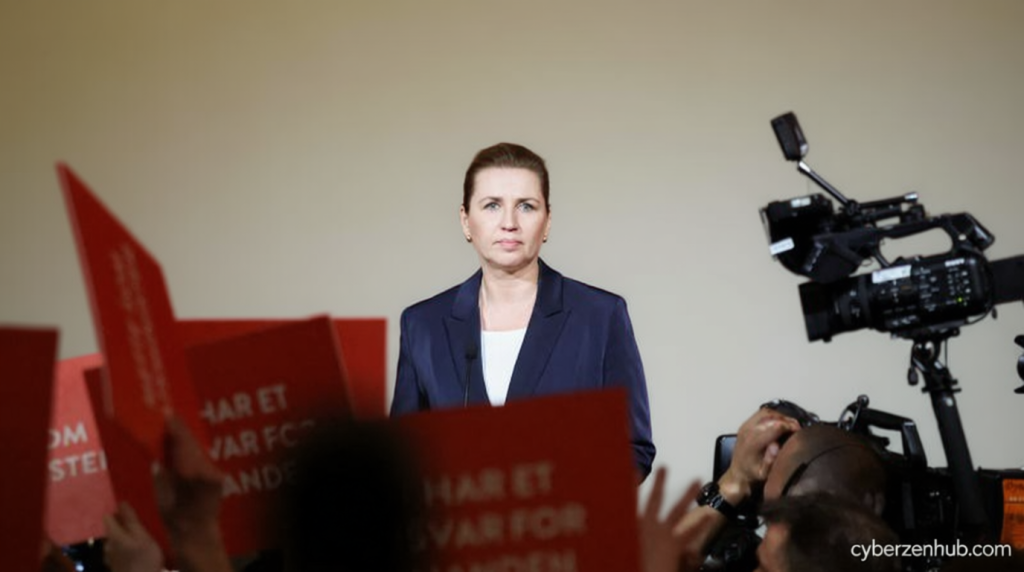
Denmark’s Frederiksen Bruised in Election, as Voters Shift Focus Away from Trump’s Greenland Ambitions
Denmark’s recent election on Tuesday produced a fragmented outcome, casting doubt on the prime minister’s ability to secure a third term. The campaign centered on practical concerns rather than her management of U.S. President Donald Trump’s push for control of Greenland. Official tallies revealed that Prime Minister Mette Frederiksen’s center-left Social Democrats saw a decline in support compared to the 2022 election, as did her coalition partners. Neither the left-leaning nor right-leaning factions secured a parliamentary majority, positioning Lars Løkke Rasmussen, the seasoned Foreign Minister and former prime minister, as a pivotal figure in shaping the next government.
Rasmussen’s Moderate Party, with 14 seats in the 179-member Folketing, now holds the balance of power. He urged rival parties to temper their campaign stances and unite under a common agenda. “Denmark is a small nation of 6 million in a world of 8 billion, facing global upheaval—whether in Iran or Ukraine,” he remarked. “We are one tribe. We must come together, not be divided.”
“The world is unsettled. There are strong winds around us,” Frederiksen stated. “Denmark needs a stable government, a competent one. We are ready to take the lead.”
While Trump’s Greenland ambitions remained a backdrop, voters prioritized domestic matters. Defense Minister Troels Lund Poulsen, the leading center-right contender, signaled his unwillingness to join Frederiksen’s Social Democrats again. Despite remaining the largest party, the Social Democrats secured only 21.9% of the vote—a drop from the 27.5% recorded in 2022. Frederiksen’s resolute image in the NATO standoff over Greenland had been a key campaign asset, yet rising living costs, pension concerns, and a proposed wealth tax overshadowed her efforts.
Frederiksen, 48, is recognized for her firm support of Ukraine during its conflict with Russia and her strict immigration policies. She initiated the election several months ahead of schedule, hoping to capitalize on her leadership during the Trump-Greenland crisis. However, her party’s vote share fell to 25.9% in 2019, and a four-percentage-point decline was noted in the latest results. “We have weathered the pandemic, dealt with war, and stood firm against American threats,” she said. “It is normal for a party seeking a third term to face challenges.”
Greenland, which had consumed significant government attention in recent months, became a minor topic in the campaign due to widespread consensus on its role within the Danish realm. Frederiksen had warned in January that an American takeover of Greenland would mark the end of NATO. However, Trump’s retreat from imposing tariffs on Denmark and others has eased tensions, leading to technical discussions on an Arctic security agreement.
Denmark’s parliamentary system, which relies on proportional representation, usually results in coalition governments. Traditionally, these alliances consist of multiple parties from the “red bloc” (left) or “blue bloc” (right). With no single party securing a majority, the Folketing—Denmark’s single-chamber legislative body—will now enter a period of negotiation to form the next administration.
Social Democrat lawmaker Morten Klessen acknowledged the government’s strong performance but noted, “There’s been a lot of turmoil in Europe, and our focus on Ukraine may have cost us some domestic support.” He emphasized the need for Frederiksen’s leadership in maintaining European solidarity. Despite the setback, the prime minister remains determined to lead, underscoring the importance of stability in a turbulent era.