Trump Names Heidi Overton as Nominee for FDA Commissioner
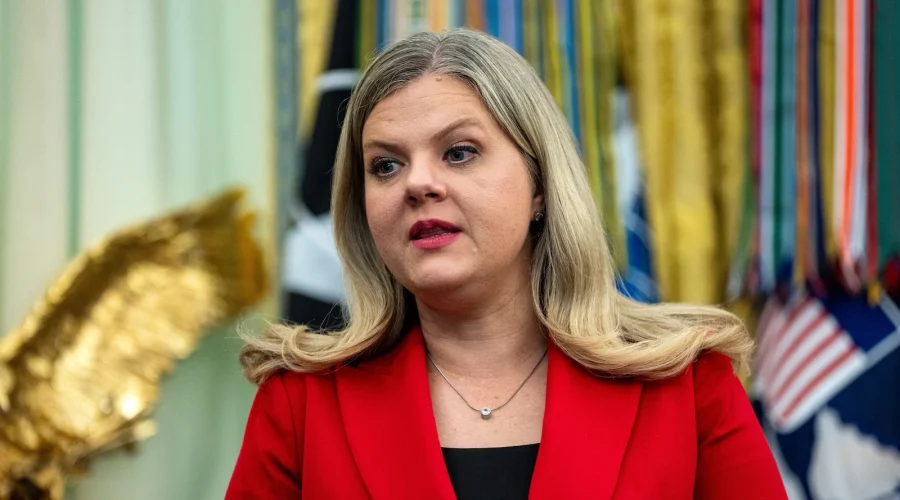
Cyberzenhub.com – The Food and Drug Administration, the federal agency tasked with safeguarding the nation’s supply of medicines, vaccines, medical devices, and food, is set to receive new leadership. President Donald Trump announced on Wednesday that he has selected Dr. Heidi Overton, currently serving as Deputy Director of the White House Domestic Policy Council, to serve as the next commissioner of the FDA. The nomination marks a significant leadership transition for an agency whose decisions affect virtually every American household, from the antibiotics prescribed at a local pharmacy to the safety inspections conducted at grocery stores across the country.
Who Is Dr. Heidi Overton?
Overton is a practicing physician who has spent much of her career at the intersection of clinical medicine and public-health policy. Before assuming her current role in the White House, she held senior positions within the FDA itself, including a brief stint as acting commissioner during the early months of the prior administration. That experience gave her a working familiarity with the agency’s internal operations, its scientific review processes, and the political pressures that accompany high-stakes regulatory decisions.
As Deputy Director of the Domestic Policy Council, Overton advised the president and senior staff on a broad portfolio of domestic issues, including health policy, science and technology strategy, and environmental regulation. The council functions as a central clearinghouse for policy analysis and interagency coordination, meaning that Overton has spent recent years shaping the administration’s approach to health-related questions well before the FDA nomination became a possibility.
The Scope of the Commissioner’s Authority
The FDA commissioner wields considerable regulatory power. The agency reviews and approves new drugs and biologics, oversees post-market surveillance of already-marketed products, inspects food-processing facilities, regulates medical devices ranging from pacemakers to surgical robots, and sets standards for cosmetics and dietary supplements. Roughly ten thousand employees at FDA headquarters in Silver Spring, Maryland, and at regional offices across the United States carry out these functions day to day.
The commissioner sets the agency’s strategic priorities, allocates budget resources among its divisions, and serves as the public face of the FDA during outbreaks, product recalls, and legislative debates. In practice, the role demands both scientific credibility and political fluency, because the commissioner must translate complex regulatory science into decisions that satisfy Congress, industry stakeholders, patient-advocacy groups, and the general public simultaneously.
Context of the Leadership Transition
The previous confirmed commissioner, Dr. Robert Califf, served under the Biden administration and oversaw a period of intense activity at the agency, including accelerated vaccine approvals during the pandemic and a wave of new drug authorizations. Following the change in administration in January 2025, the FDA operated through a transitional period in which acting leadership filled the gap until a formal nominee could be put forward. Overton’s selection closes that gap and signals the new administration’s intent to place a physician with direct FDA experience at the helm of the agency.
The timing of the nomination also carries implications for pending regulatory matters. Drug applications awaiting review, ongoing safety investigations, and rulemaking dockets on topics such as over-the-counter drug reform and food-labeling standards will all proceed under the new commissioner’s oversight once confirmation is complete. Industry observers and public-health advocates will be watching closely to see whether the agency’s enforcement posture, its approach to expedited review pathways, and its stance on emerging-technology products such as gene therapies and AI-assisted diagnostic tools shift under Overton’s leadership.
The Confirmation Process Ahead
A presidential nomination to the FDA commissioner post requires Senate confirmation. The nominee typically appears before the Senate Health, Education, Labor, and Pensions Committee for a hearing, where she will answer questions about her regulatory philosophy, her views on drug-pricing transparency, her approach to food-safety enforcement, and her experience managing large federal workforces. After committee markup, the full Senate votes on the nomination by simple majority.
The length of the confirmation timeline varies. In recent years, FDA commissioner confirmations have taken anywhere from a few months to over a year, depending on the political climate, the committee’s schedule, and whether senators seek additional information or amendments to agency funding bills. Until a confirmed commissioner takes the oath of office, the agency continues to operate under acting leadership, and major policy announcements are often deferred.
What the Nomination Signals
By selecting a physician who has already served inside the FDA and who has spent the past year advising the president on domestic health policy, Trump’s team appears to be prioritizing institutional continuity alongside ideological alignment. Overton’s background suggests a commissioner who understands the agency’s internal culture and scientific review infrastructure, reducing the risk of a disruptive leadership shake-up during a period when the agency is still processing a backlog of applications accumulated during the pandemic era.
For patients, clinicians, and manufacturers, the practical question now is not merely who sits in the commissioner’s office, but how that person will weigh speed against caution in drug approvals, how aggressively the agency will pursue post-market safety signals, and what posture it will take toward industry partnerships and public-private collaborations. Those answers will emerge gradually, through rulemakings, guidance documents, and enforcement actions over the coming months and years.
The nomination is a developing story. Senate scheduling, committee assignments, and the broader legislative calendar will determine when confirmation hearings occur and when a final vote might take place. Until then, the FDA continues its daily work: reviewing applications, inspecting facilities, monitoring adverse-event reports, and protecting the public health one regulatory decision at a time.
Related Reading
Frequently Asked Questions
What is Trump picks Dr Heidi Overton for top?
Trump picks Dr Heidi Overton for top is the main topic of this guide. The article explains the context, practical details, and next steps readers should understand.
Why does Trump picks Dr Heidi Overton for top matter?
Trump picks Dr Heidi Overton for top matters because readers are looking for a useful answer, not just a short summary. Good content should match search intent and help them decide what to do next.