
Florida’s Primary Night Exposed Fault Lines on Both Sides of the Aisle
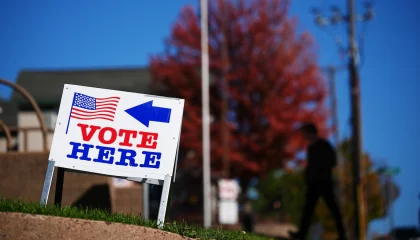
Cyberzenhub.com – The August 18, 2026 primary contests delivered a blunt lesson to both parties: presidential backing does not guarantee survival, mid-decade map redraws reshape electoral geography in ways that upend decades of local politics, and the tension between career Democrats and their progressive challengers shows no sign of easing. Four races in Florida alone illustrated each of those dynamics within a single evening.
The Limits of a Presidential Stamp of Approval
Perhaps the starkest signal came from Florida’s 19th Congressional District, where incumbent Republican Rep. Cory Mills was unseated by Ryan Elijah, a former television news anchor and NFL sideline reporter. Mills entered the contest carrying an extraordinary burden of controversy. A House Ethics Committee probe was already underway against him. A court had issued a restraining order the previous year after his ex-girlfriend accused him of threatening to circulate sexually explicit recordings of her. And in July, ABC News revealed that the Department of Justice was examining his conduct, with his personal finances among the matters under scrutiny. Mills has publicly denied every allegation.
What made the outcome particularly telling was that Trump had nonetheless endorsed Mills going into the vote. The president’s name on the ballot line proved insufficient to overcome the accumulated weight of scandal. For a party that has spent years insisting its base will follow the commander-in-chief’s pick regardless of circumstance, the result raises uncomfortable questions about how much institutional loyalty a candidate can bank before voters simply stop showing up.
Redrawn Maps, New Calculus
In Florida’s 20th Congressional District, Democratic Rep. Debbie Wasserman Schultz claimed victory in a race whose very existence was a product of Republican redistricting. The state legislature, controlled by Republicans, had redrawn the district this year into a majority-minority seat with a historically Black electorate. Wasserman Schultz’s decision to run there drew sharp criticism from four Black opponents and from other Black Democrats who argued that the map changes were already eroding their political representation in southern states.
She addressed that tension directly in her acceptance remarks, acknowledging the stakes of the moment while pledging to fight for meaningful representation within the newly configured district.
“This is such a difficult and fraught time in our country. There is so much at stake in this moment, and I want people to know that representation matters. It matters, and I will fight to make sure that representation counts again.”
The redistricting gambit was designed to give Republicans a better shot at holding the House majority in November. Whether it succeeds will depend on how candidates like Wasserman Schultz navigate districts that were engineered to dilute, rather than empower, the communities they now represent.
Progressive Challengers Keep Pressing
Florida’s 25th District offered another chapter in the ongoing intra-party contest between established Democrats and left-leaning insurgents. Two-term incumbent Rep. Jared Moskowitz, himself running in a redrawn district, held off Oliver Larkin, a candidate endorsed by the Democratic Socialists of America. The campaign sharpened around foreign policy: Moskowitz has long been a vocal defender of Israel, while Larkin argued the United States should sever its aid relationship with the country. That divergence is no longer a fringe debate; it has migrated into the mainstream of Democratic primary strategy as more voters on the left question the party’s traditional pro-Israel consensus.
The pattern mirrors what unfolded in Michigan’s Senate primary earlier in the cycle, where a progressive challenger forced an incumbent to defend a record that once would have been uncontested. For party leadership, the recurring question is whether absorbing these challenges through debate and policy adjustment is more sustainable than ceding ground to candidates who frame the old guard as out of touch.
Post-Primary Unity in the Governor’s Race
On the Republican side of Florida’s top ticket, Byron Donalds secured the gubernatorial nomination with the backing of both the party establishment and Trump himself. His primary opponents, Paul Renner and James Fishback, had pushed a bruising contest that tested internal party cohesion. Donalds said he received congratulatory calls from both rivals after the count was finalized.
In his victory address, he framed the next months as a period of consolidation rather than continued infighting.
“But tonight the primary is over. Tonight we put aside our differences. Tonight we are one united Republican Party.”
Whether that unity survives contact with a general election in which Democrats will likely exploit every scrap of primary friction remains to be seen. The message from Tuesday’s ballot boxes is clear: endorsements, map advantages, and institutional inertia each have their limits, and voters in 2026 are willing to test all three.
Related Reading
Frequently Asked Questions
What is Takeaways from Tuesday primaries?
Takeaways from Tuesday primaries is the main topic of this guide. The article explains the context, practical details, and next steps readers should understand.
Why does Takeaways from Tuesday primaries matter?
Takeaways from Tuesday primaries matters because readers are looking for a useful answer, not just a short summary. Good content should match search intent and help them decide what to do next.