Bryan Kohberger Granted New Hearing in Idaho
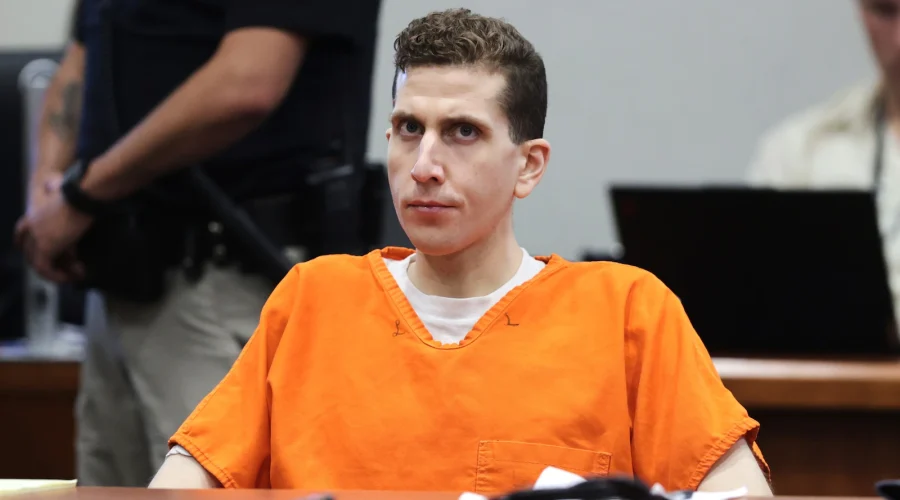
Cyberzenhub.com – A judge in Ada County, Idaho, has approved a formal evidentiary hearing for Bryan Kohberger granted new hearing proceedings set for June 17, 2027. The hearing will let the former Washington State criminology student argue that his July 2025 guilty plea — entered weeks before trial in the Moscow campus murders — was coerced and should be vacated. No new physical evidence or witnesses underpin the motion; the case rests entirely on claims of misrepresentation and withheld information during plea negotiations.
The decision, confirmed through recently filed court documents, represents a sharp procedural reversal in a case that consumed national attention for over two years. After investigators, prosecutors, and millions of viewers watched what appeared to be a trajectory toward a full jury trial, the prosecution’s case ended without a single witness testifying. Kohberger walked into a deal in July 2025, and the courtroom went quiet. Now, roughly a month after sentencing, that silence is being challenged.
The Murders and What Followed
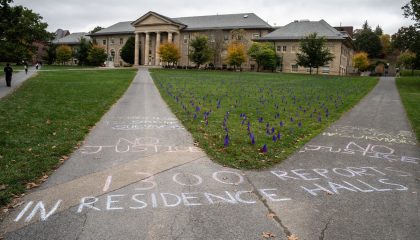
On November 17, 2022, four University of Idaho students were found stabbed to death inside an off-campus home on King Road in Moscow, a college town of fewer than 25,000 residents roughly 30 miles south of Boise. The victims — Kaylee Goncalves, Madison Mogen, Xana Kernodle, and Ethan Chapin, Kernodle’s boyfriend — were all in their early twenties. Three shared a bedroom as roommates; Chapin had been visiting that night.
Kohberger, a criminology major at Washington State University in Pullman, Washington, had been in the area and had spent time at the King Road residence in the days before the killings. His arrest triggered a sprawling local and federal investigation that drew sustained media scrutiny to a small Idaho community for months.
The Plea, the Sentencing, and the Petition
When the plea was entered in July 2025, its terms stripped the state of any ability to seek the death penalty. In exchange, Kohberger accepted four consecutive first-degree-murder life sentences plus a ten-year burglary term, structured to run one after another. Sentencing took place on July 23, 2025, at the Ada County Courthouse in Boise. For the victims’ families, who had endured more than a year of investigation and media saturation, the matter appeared closed.
That closure lasted roughly a month. In late August 2025, Kohberger filed a petition for post-conviction relief seeking to vacate the plea. The filing introduced no new forensic material and no new witnesses. Its two principal claims were that he was misled and pressured into a false confession during the plea process, and that information potentially favorable to his defense was withheld before he agreed to the deal.
Without offering new evidence, Kohberger claimed he was lied to and pressured to falsely confess, and that there was information withheld that could have potentially helped his case.
The petition activated the procedural mechanism now embodied in the June 2027 date. At that evidentiary hearing, both sides may present testimony and documentary material before a judge determines whether the plea was entered knowingly, voluntarily, and intelligently — the constitutional standard governing every guilty plea in American courts. A finding of defect could reopen the case for trial or renegotiation; an upholding of the plea would leave the sentences intact absent a direct appeal.
Why Withdrawal Petitions Are Rare
Courts treat guilty pleas as final instruments of the justice system. They disfavor attempts to undo them because finality rests on the defendant’s own words. Successful withdrawal is uncommon and typically demands a showing that the plea was fundamentally flawed — that the defendant misunderstood the charges, that promised terms were not honored, or that outside pressure vitiated voluntariness. The argument now before the Ada County court sits in that narrow lane, and its outcome will determine whether a case that seemed settled in mid-2025 returns to the trial docket.
Frequently Asked Questions
When is the Bryan Kohberger granted new hearing date? The evidentiary hearing is scheduled for June 17, 2027, in Ada County, Idaho. Both prosecution and defense will be permitted to present testimony and documentary evidence before the judge rules on the plea’s validity.
What is Kohberger arguing at the hearing? He contends his guilty plea was involuntary, claiming he was pressured into a false confession and that information potentially helpful to his defense was withheld before he agreed to the deal. No new physical evidence or witnesses are part of the petition.
What happens if the judge grants the petition? The guilty plea would be vacated, and the case could be reopened for a full jury trial or renegotiated on different terms. If the judge denies the petition, the four consecutive life sentences and the ten-year burglary term remain in effect.
Who were the victims? Kaylee Goncalves, Madison Mogen, Xana Kernodle, and Ethan Chapin — all University of Idaho students in their early twenties — were killed on November 17, 2022, at a King Road residence in Moscow, Idaho.