
Two protests, two elections: How Nepal’s Gen Z succeeded where Bangladesh’s stumbled
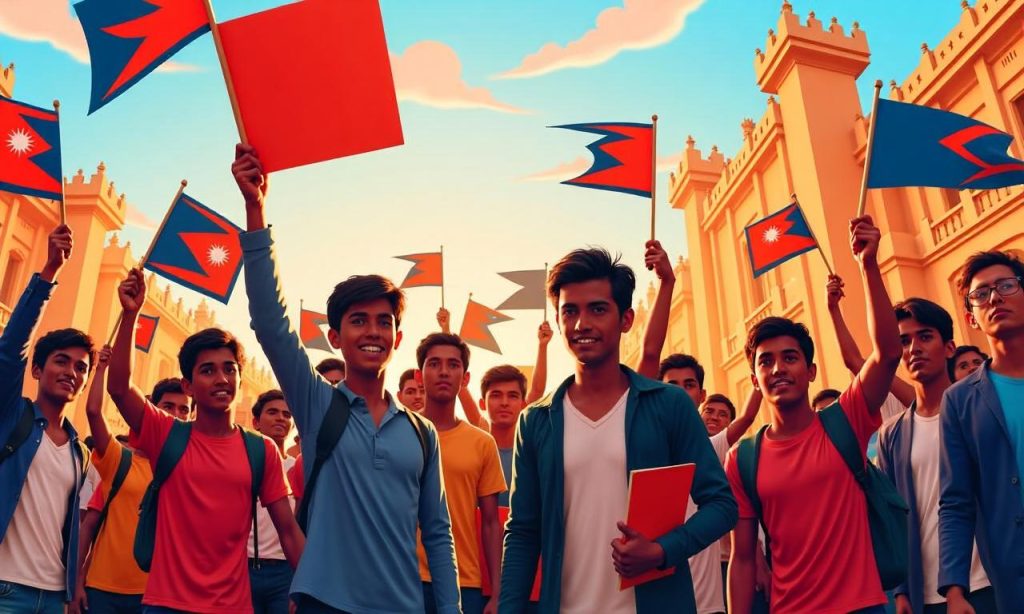
Gen Z’s Political Triumph in Nepal Contrasts with Bangladesh’s Struggles
In early 2024, Nepal’s inauguration of Prime Minister Balendra Shah marked a significant shift, with a parliament largely composed of younger legislators. Meanwhile, Bangladeshi activist Umama Fatema watched the developments from afar, feeling a sense of disillusionment. Fatema had been part of the Gen Z-led protests in Bangladesh that forced a government change through energetic demonstrations. Yet, nearly two years later, the youth movement in Bangladesh still struggles to translate its street power into political influence.
Bangladesh’s first election after the protests in February saw the long-standing Bangladesh Nationalist Party (BNP) secure a dominant majority. The new youth-driven National Citizens’ Party (NCP), born from the student-led revolution, fared poorly. This outcome contrasts sharply with Nepal’s recent elections, where the four-year-old Rastriya Swatantra Party (RSP) emerged victorious with overwhelming support. The RSP’s success propelled Gen Z politicians into parliamentary seats and elevated Balendra Shah, a former rapper, to the role of prime minister through an alliance with the party.
“Personally, I felt disheartened. When I saw how effectively [the Nepalese youth] were able to organise themselves, I could not help but feel disappointed about the situation in our own country,” said Fatema. “Bangladesh has not been able to deliver such a change… it is naturally disheartening to realise that we have not been able to organise and rebuild our country in the same way.”
Strategic Alliances and Electoral System Shape Outcomes
Gen Z leaders in Nepal credit their success to the movement’s ability to connect with everyday citizens. KP Khanal, a RSP candidate who won a seat in Kailali district, explained, “The protests tapped into a deep, long-standing frustration with the way things have been run. At the same time, the sacrifices and voices of Gen Z stayed with the public—they haven’t been forgotten.”
Analysts highlight Nepal’s political environment as a key factor. The country’s electoral system favors coalition governments, preventing any single party from holding power for extended periods. Over 17 years, Nepal experienced 14 administrations, with established parties and politicians alternating in leadership. This instability made the public’s anger over corruption—exemplified by the Gen Z protests—target the political establishment. As a result, the RSP, a relative newcomer, gained traction.
Amish Mulmi, a Nepalese political analyst, noted, “In a larger South Asian context, where party organisation is extremely important, a youth-led party would likely have to build an extensive party structure before achieving widespread electoral success, especially in its first outing.” This was the challenge faced by Gen Z activists in Bangladesh, who, despite their protests, lacked the organisational framework to sustain momentum.
Meanwhile, the RSP’s alliance with Balendra Shah proved pivotal. By merging with a charismatic leader whose personal appeal overshadowed his party’s organisational weaknesses, the RSP transformed from a protest group into a political force. Nitasha Kaul, director of the Centre for the Study of Democracy at the University of Westminster, observed, “Since all three established parties, none dominant, were discredited, the main beneficiary has been the youthful RSP and its leader.”
Despite their achievements, Nepal’s Gen Z movement stands out as a rare example in Asia where youth activism directly reshaped political power. While other nations have seen similar protests, none have achieved the same level of institutional impact as Nepal’s recent success.