
Trump condemned over threat that Iran’s ‘civilisation will die’
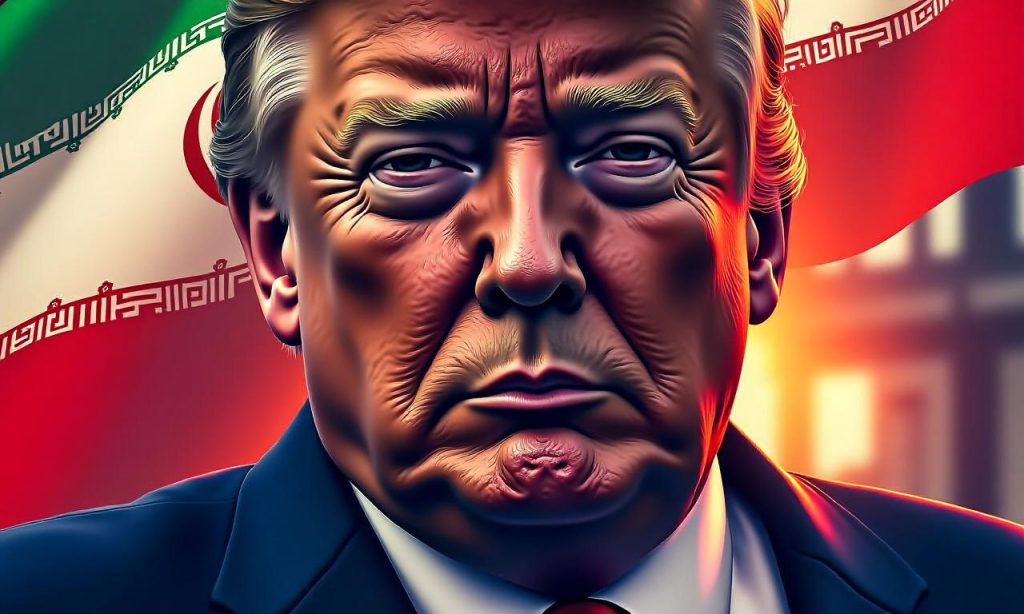
Trump Condemned for Threat of Iranian ‘Civilisation’s Death’
Global leaders, including the UN Secretary-General and the Pope, criticized US President Donald Trump’s warning that “the entire civilization of Iran would perish tonight” unless the country reached an agreement to halt the conflict and clear the Strait of Hormuz. António Guterres expressed concern over statements implying civilian populations would face the fallout of military actions. Pope Leo XIV called the threats “unacceptable,” emphasizing their impact on everyday people.
As the midnight GMT deadline approached, Pakistan, acting as a regional mediator, proposed a two-week extension to continue diplomatic talks. Prime Minister Shehbaz Sharif stated on X that “diplomatic efforts for peaceful resolution are advancing rapidly with the possibility of significant outcomes soon.” He urged Iran to “open the Strait of Hormuz for a corresponding two-week period as a goodwill gesture.” The White House confirmed Trump had been informed of the proposal but did not yet commit to a response.
“The entire civilization of Iran would perish tonight, never to be revived. I don’t want that, but it probably will,” Trump wrote on Truth Social.
Earlier, Trump had warned Iran that failure to accept his terms would result in the destruction of critical infrastructure, including bridges and power plants. He claimed the US military could obliterate these structures within four hours if no deal was reached. Vice-President JD Vance echoed this urgency, noting that “tools in our arsenal remain unutilized” should negotiations falter, though he later clarified nuclear weapons were not referenced.
Meanwhile, Israel’s Prime Minister Benjamin Netanyahu asserted that Israeli jets targeted railway tracks and bridges in Iran, alleging they were used by the Islamic Revolutionary Guard Corps to move supplies. Iranian officials reported casualties from strikes, including two deaths at a Kashan railway bridge and 18 fatalities in Alborz province. The Rafie-Nia synagogue in Tehran was also reportedly destroyed, though Israel apologized for the “collateral damage,” claiming the target was a high-ranking military commander.
Iran’s Revolutionary Guards vowed retaliation beyond the region if the US crossed “red lines,” threatening to strike infrastructure and disrupt oil and gas supplies for years. They claimed to have damaged a Saudi petrochemical complex and a ship in the Gulf. President Masoud Pezeshkian announced that over 14 million Iranians had “registered to sacrifice their lives for the nation,” underscoring the stakes of the conflict.
Residents formed human chains near key infrastructure, according to Iranian state media, showing solidarity with the country’s stance. The IRGC hinted at broader consequences should the US persist with its demands, framing the situation as a test of resolve in the Middle East. The escalating tensions highlight a precarious balance between military action and diplomatic outreach as the deadline looms.