
Cornell student’s 2024 statement prompts renewed scrutiny
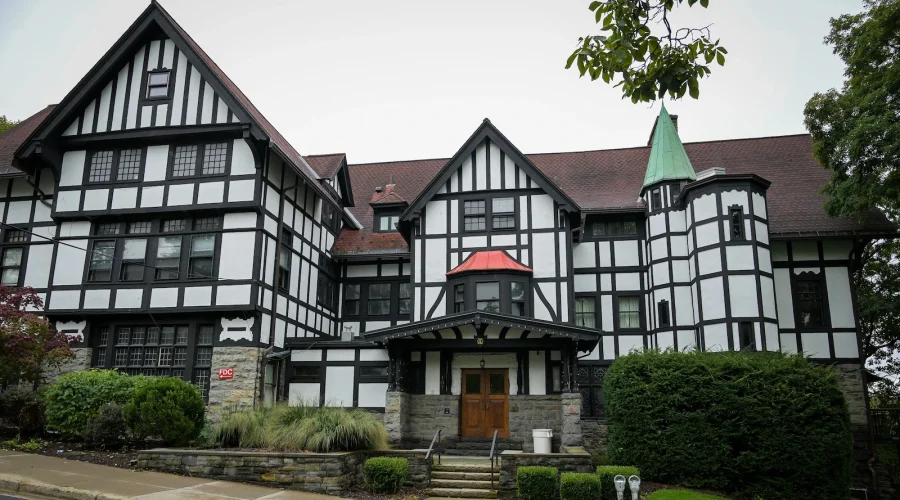
Cyberzenhub.com – A Cornell student who made rape allegations described sexual encounters at a Chi Phi fraternity house in Ithaca, New York, as increasingly troubling and said parts of the experience “felt like coercion,” according to a 2024 statement to police. The student, identified in court records as Jane Doe, later filed a civil lawsuit alleging gang rape. Tompkins County District Attorney Matthew Van Houten has said the matter will be reopened.
In her Nov. 15, 2024 statement, Jane Doe described a night involving alcohol, ketamine and several fraternity members. She said some sexual activity was consensual but recalled becoming distressed, highly intoxicated and unable to make decisions as the night continued.
Questions about consent and impairment
Van Houten previously declined to bring criminal charges after reviewing the 2024 account. He has said the allegations in the later civil lawsuit differ substantially from the statement she gave police and that the earlier account indicated consent to sexual activity.
The Cornell student who made rape allegations said she objected to certain proposed acts. She recalled rejecting a suggestion of a foursome and said that, after several men unexpectedly entered a room, she was horrified that they had seen her naked.
“I was instantly horrified, and I remember squealing out loud and running across the room and hiding under the covers on another bed.”
She said her reaction was driven by embarrassment. Her statement also described taking another dose of ketamine after she became uncomfortable with the direction of the night and believed that passing out would make the legal implications clearer if sexual activity continued while she was unconscious.
“I had become extremely uncomfortable with how this night was turning out so my thought was, if I do Ketamine again maybe I will pass out.”
Statement describes escalating discomfort
During what she described as the final threesome, Jane Doe said she was exhausted, disgusted and highly intoxicated. She rated her intoxication at eight out of 10, said it was the most intoxicated she had ever been and said she could not make decisions.
“To me, that felt like coercion.”
She said she believed those present should have recognized her impairment because she was slurring her words. Her account also included an incident in which a group of men asked to snort ketamine from her body. She said she responded, “Sure,” because she was extremely tired, covered her face with her hands and could not identify what substances were poured on her.
The Cornell student who made rape allegations said she slept until about 10 a.m. and was then driven home by the Chi Phi member who invited her to the house and whom she said participated in sexual activity. Later that Sunday, she said friends told her the events were becoming widely known.
Case revisited after civil lawsuit
The reopened review follows the filing of Jane Doe’s civil lawsuit. Van Houten has called the allegations morally disturbing while emphasizing differences between the lawsuit and the original police statement. The issues under review include her level of impairment, the acts she said she rejected, the conduct of those present and the sequence of events at the fraternity house.
FAQ
Why was the Cornell case reopened?
Tompkins County District Attorney Matthew Van Houten said his office would reopen the matter after Jane Doe filed a civil lawsuit alleging gang rape.
What did the student say in her 2024 statement?
She said some activity was consensual but described becoming increasingly uncomfortable, intoxicated and unable to make decisions. She said parts of the encounters felt coercive.
Where did the alleged events take place?
The statement concerned events at the Chi Phi fraternity house in Ithaca, New York, near Cornell University.