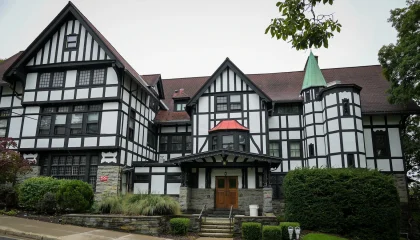

Cornell Fraternity Allegations Return to Focus as Prosecutors Reopen Review
Cyberzenhub.com – An upstate New York prosecutor has reopened its review of a 2024 incident involving allegations that a former Cornell University undergraduate student was drugged and raped by seven men at the Chi Phi fraternity house. The woman, identified in court filings as Jane Doe, has brought a civil lawsuit connected to the allegations.
The case involves a series of events spanning the fall of 2024, subsequent university proceedings, campus police activity and a decision by the Tompkins County District Attorney’s Office not to file criminal charges at that time. The renewed review places fresh attention on questions involving student safety, alcohol and drug use, fraternity conduct, and the handling of sexual-assault complaints on college campuses.
Jane Doe’s arrival at Cornell
Jane Doe began her freshman year at Cornell University in Ithaca, New York, in August 2022. Cornell sits in the Finger Lakes region and has a large residential student community, including fraternities and sororities subject to university rules as well as state and local law.
Her allegations concern a party held at the Chi Phi fraternity house during the weekend of Oct. 19 and Oct. 20, 2024.
Events before the party
A heavily redacted university document created after 2025 hearings referenced a ketamine overdose at the Chi Phi house “on or about October 18, 2024.” The document was part of Cornell’s internal process examining Jane Doe’s allegations.
Jane Doe has said she arrived at the fraternity party after drinking alcohol at her sorority house and at two bars. Investigation materials state that she was already intoxicated when she reached the house.
In a later discussion with police, Jane Doe said she was 20 years old at the time and had been asked for identification when entering the bars. One bar marked her hand with an X to show that she was under 21, while the other gave her an under-21 wristband. She said she nevertheless bought a drink at one establishment and spent only a short time at the other, without saying that she ordered alcohol there. Neither bar has issued a public statement.
Allegations from the Oct. 19-20 gathering
Jane Doe’s lawsuit says she was invited to the party by a man later identified in the filing as Male No. 1. She alleges that she continued drinking after arriving at Chi Phi, accepted drugs, agreed to take part in a sexual threesome, and then lost consciousness.
Her lawsuit alleges that seven men drugged and “gang raped” her. Ketamine was among the substances she says she was made to ingest.
During the early hours of Oct. 20, one fraternity member allegedly sent a message to the fraternity’s Snapchat group saying there was “free” sex upstairs. That message became part of the broader account of the night at the center of the investigation and civil case.
Texts and spreading rumors
Days later, Jane Doe exchanged messages with Male No. 1 as rumors circulated about sexual activity at the fraternity house. On Oct. 23, 2024, she wrote that the situation had harmed her standing with others.
“My reputation is destroyed and I’m utterly ashamed.”
In the same exchange, she also wrote:
“everyone needs to grow up because sexuality and sex and [stuff] is changing and stuff like this is going to become more common. i’m also really open minded tho. i love u king.”
On Oct. 30, she told Male No. 1 that she had been “uninvited” from a Chi Phi event. Her message reflected her belief that she was being excluded while people connected to the fraternity protected themselves.
“i know this was going to happen. the woman will always get the short end of the stick.”
“yall aren’t my friends. yall are covering your a****.”
In another exchange dated Nov. 7, Male No. 1 said he was worried about “being labeled an assaulter.” Jane Doe replied in part, “I haven’t said anything.” In that conversation, she also wrote:
“i know there are rumors i was gang banged.”
Campus report and university response
On Nov. 8, 2024, Jane Doe sent Male No. 1 a message ending contact between them.
“i think i’m done talking to you. i know you lied.”
That day, she reported the alleged incident to Cornell University Police. The university temporarily suspended the Chi Phi chapter over alleged student-code violations and issued temporary suspensions to several students connected to the matter.
Such university action is separate from a criminal prosecution. A campus disciplinary process can examine alleged violations of institutional rules, while law-enforcement agencies and prosecutors separately assess whether available evidence supports criminal charges.
Criminal review and renewed inquiry
Jane Doe gave a formal statement to Cornell campus police on Nov. 14, 2024. Police requested that the Tompkins County District Attorney’s Office evaluate the matter and decide whether a crime had occurred. Prosecutors initially declined to bring charges.
The office has now reopened the investigation. That decision does not itself determine whether charges will be filed or resolve the allegations in Jane Doe’s civil lawsuit. It means the matter is again under prosecutorial review.
The case illustrates the different pathways that can follow an allegation of sexual violence: a survivor may seek university discipline, make a police report, pursue civil claims, or take more than one of those steps. Each process has its own standards, evidence rules and potential outcomes.
Related Reading
Frequently Asked Questions
What is Timeline of alleged Cornell University fraternity?
Timeline of alleged Cornell University fraternity is the main topic of this guide. The article explains the context, practical details, and next steps readers should understand.
Why does Timeline of alleged Cornell University fraternity matter?
Timeline of alleged Cornell University fraternity matters because readers are looking for a useful answer, not just a short summary. Good content should match search intent and help them decide what to do next.