
New details emerge in alleged 2024 assault at Cornell fraternity house
Cyberzenhub.com – Text messages, video evidence and a fraternity group chat have added new detail to the allegations surrounding an alleged gang rape at Cornell University’s Chi Phi fraternity house in 2024. The materials were part of a confidential university investigative report and later evidence tied to the case involving a student identified as Jane Doe.
New York Gov. Kathy Hochul has now appointed Attorney General Letitia James as special prosecutor, citing concerns about both the Cornell Police Department investigation and the Tompkins County District Attorney’s decision not to bring charges.
“Newly released information continues to raise serious questions about the investigation conducted by the Cornell Police Department and the decision by the Tompkins County District Attorney not to prosecute an alleged sexual assault on Cornell University’s campus,” Hochul said in a statement.
Hochul announced the executive order Thursday. The appointment places renewed attention on how the allegations were initially handled and on the evidence collected after Jane Doe came forward.
Text exchange reflected changing account of the night
Days after the alleged incident, one of the fraternity brothers accused in the case sent Jane Doe an apologetic message. He wrote:
“I just wanted to apologize for how things went down the other night.”
Jane Doe initially replied in a way that appeared to minimize the encounter.
“At the end of the day non [sic] of the sexual stuff was illegal and honestly I really liked being with u.”
Nearly two weeks later, however, her description of what occurred had changed sharply. In another exchange, she said that most of the night had not been consensual and referenced ketamine.
“Let’s be clear that 90% of what happened that night was not consensual.”
“All i remember after that was you giving me ket[amine].”
Jane Doe also said the experience left her feeling “like a sex doll/worker.” Shortly after those messages, she went to campus police. Her initial complaint was documented by authorities as involving an undergraduate student who said she had recently been raped by eight to 10 men at the Chi Phi house.
Videos show condition of fraternity bedroom
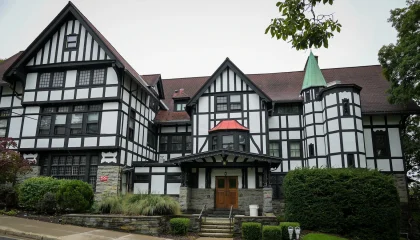
Video obtained during the university investigation showed a bedroom inside the Chi Phi property where Jane Doe said the alleged assault happened. The room appeared cluttered after Cornell suspended the chapter, with food remnants, garbage and discarded furniture scattered throughout the space.
The footage showed beer cans and liquor bottles on the floor, along with a fentanyl test and a composite photograph displaying members of a sorority class. The physical setting became part of the broader effort to reconstruct the events of the night and determine who was present.
The suspension of the Chi Phi chapter underscored the seriousness with which Cornell treated the allegations internally. Still, questions remain about the differing paths of a campus review and the criminal justice process, particularly when a university’s disciplinary response does not result in prosecution.
Group-chat messages examined in renewed scrutiny
An expanded Snapchat conversation involving more than 50 fraternity brothers also became part of the material under review. The fraternity brother who invited Jane Doe to the house that evening shared a photograph in the chat that appeared to show her in the bedroom.
Another participant asked whether the people in the room were naked. The response encouraged other men to come into the room:
“Are you guys at least naked??”
“Boys come whip it out.”
The messages have drawn attention because they may help establish the atmosphere within the house, the awareness of others during the alleged assault and the sequence of events surrounding Jane Doe’s presence in the bedroom. They also illustrate why investigators may seek digital communications alongside witness accounts, medical evidence and physical evidence when examining allegations of sexual violence.
Special prosecutor appointment raises stakes
James’ appointment as special prosecutor gives the matter a new prosecutorial review after the Tompkins County District Attorney declined to prosecute. Hochul’s action followed growing calls for an independent and transparent examination of the case.
The allegations have also renewed discussion about the challenges faced by students who report sexual assault. A person’s account can develop over time, particularly when the reported events involve intoxication, alleged drugging, trauma or incomplete memories. Those circumstances do not resolve legal questions on their own, but they can be central to how investigators assess consent, capacity and credibility.
For Cornell, the case continues to carry implications beyond the suspended fraternity chapter. It has placed university policing, campus safety procedures and institutional accountability under intensified public scrutiny. The special prosecutor’s review will determine whether additional action is warranted in connection with the alleged assault at the Chi Phi house.
Related Reading
Frequently Asked Questions
What is Cornell frat brother apologized to Jane?
Cornell frat brother apologized to Jane is the main topic of this guide. The article explains the context, practical details, and next steps readers should understand.
Why does Cornell frat brother apologized to Jane matter?
Cornell frat brother apologized to Jane matters because readers are looking for a useful answer, not just a short summary. Good content should match search intent and help them decide what to do next.