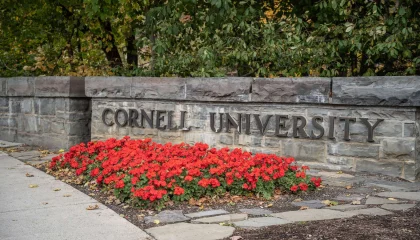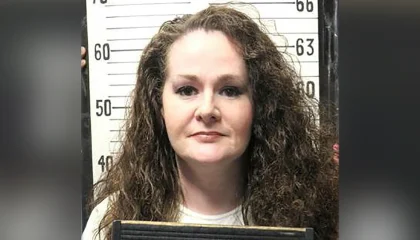

Cornell fraternity investigation raises questions about consent, response and accountability
Cyberzenhub.com – In the weeks after an alleged sexual assault at Cornell University’s Chi Phi fraternity house, several students appeared focused on limiting the fallout from the accusations and protecting their standing on campus.
Text messages, recorded calls and school-investigation materials describe efforts by some fraternity members to keep the woman at the center of the case, identified as Jane Doe, from becoming angry or escalating her concerns. Students later characterized that effort to university officials as “damage control,” intended to make sure she was “not upset about the situation.”
The Oct. 19, 2024 incident has prompted wider scrutiny of sexual violence, intoxication and the meaning of consent when alcohol, drugs and social pressure are involved. It also led Cornell to suspend its Chi Phi chapter while campus authorities conducted an investigation that ran from November 2024 through May 2025.
An account that changed over time
Jane Doe, then a Cornell junior, initially viewed much of what happened that night as consensual. But as she tried to reconstruct the events, her understanding shifted. She later told police that an evening which began with a visit to a friend and his fraternity house became a traumatic sexual encounter involving multiple men while she had been given alcohol and drugs.
One day before she went to the Cornell University Police Department, Doe called Matthew Ingalls, one of the men she later identified as an alleged attacker. During that conversation, she expressed confusion about what had occurred and said she needed clarity to move forward.
The only way for me to heal is to know what happened.
She continued:
That’s why I’m trying to just piece it together, you know, like I’m just like confused.
Doe later described the incident as a “gang rape.” Cornell Police documented her initial complaint on Nov. 8, 2024, stating that an undergraduate woman said she had recently been raped by eight to 10 men at the Chi Phi house.
Contact after the alleged assault
Communications reviewed during the university process indicate that some fraternity members contacted Doe repeatedly after the incident. A friend of Doe’s told campus officials the following May that the men were trying to remain in her good graces.
They tried to contact [Jane] almost every day after it happened to, I guess, keep them on her good side and keep her happy and not upset about the situation.
Those contacts did not prevent Doe from reporting the matter to police. The day she made her report, messages in a fraternity group chat reflected concern among members about what could happen next.
F—-.
One brother asked:
Should I call [Jane]?
The fraternity president responded by telling members to wait while he and the executive board considered their next steps.
Wait a bit for me and [Executive Board] to figure out what we’re doing cuz there are a couple of other things going on.
He also asked when someone had last spoken with Doe.
Campus discipline and criminal investigation
Cornell suspended the Chi Phi chapter on Nov. 8, 2024, the same day Doe contacted police. The university’s subsequent disciplinary investigation resulted in the expulsion of two men and suspensions for others.
Ingalls had invited Doe to the fraternity house, police materials state. He has not been charged criminally and did not respond to requests for comment. He previously denied wrongdoing, as did other fraternity brothers named in a civil lawsuit filed by Doe.
During the university investigation, Ingalls said he had been too intoxicated to consent and asserted that Doe had assaulted him. That position underscores the competing accounts at the heart of the case, while also highlighting the difficulty of evaluating consent when participants may have been impaired.
The criminal process has drawn separate criticism. Prosecutors did not request additional evidence beyond Doe’s six-page statement to campus police and did not examine the extensive material assembled during Cornell’s internal investigation. Tompkins County District Attorney Matthew Van Houten said last week that Doe’s first statement indicated that the sexual activity and drug use were consensual.
Why the case has resonated
The allegations have become part of a broader national discussion about how colleges respond to claims of sexual violence. University discipline and criminal prosecution are distinct processes: a school can impose campus sanctions through its own conduct procedures, while prosecutors decide whether available evidence supports criminal charges. The differing outcomes in this case have intensified public attention on how those systems assess testimony, intoxication and coercion.
For students, the case illustrates how quickly a social gathering can become the focus of overlapping institutional reviews, litigation and criminal inquiries. It also shows why communication after an alleged assault can carry significance: efforts portrayed as reassurance by one person may be viewed by another as pressure, image management or an attempt to shape what happens next.
At Cornell, the allegations against members of Chi Phi remain a defining campus issue because of both their severity and the unresolved questions surrounding the response. Doe’s evolving account, the fraternity members’ post-incident communications, the university sanctions and the limited prosecutorial review have all placed the case at the center of debate over safety, consent and justice for students.
Related Reading
Frequently Asked Questions
What is Damage control?
Damage control is the main topic of this guide. The article explains the context, practical details, and next steps readers should understand.
Why does Damage control matter?
Damage control matters because readers are looking for a useful answer, not just a short summary. Good content should match search intent and help them decide what to do next.