
UFOs and a Tardis – why unusual holiday stays are booming
UFOs and a Tardis – why unusual holiday stays are booming
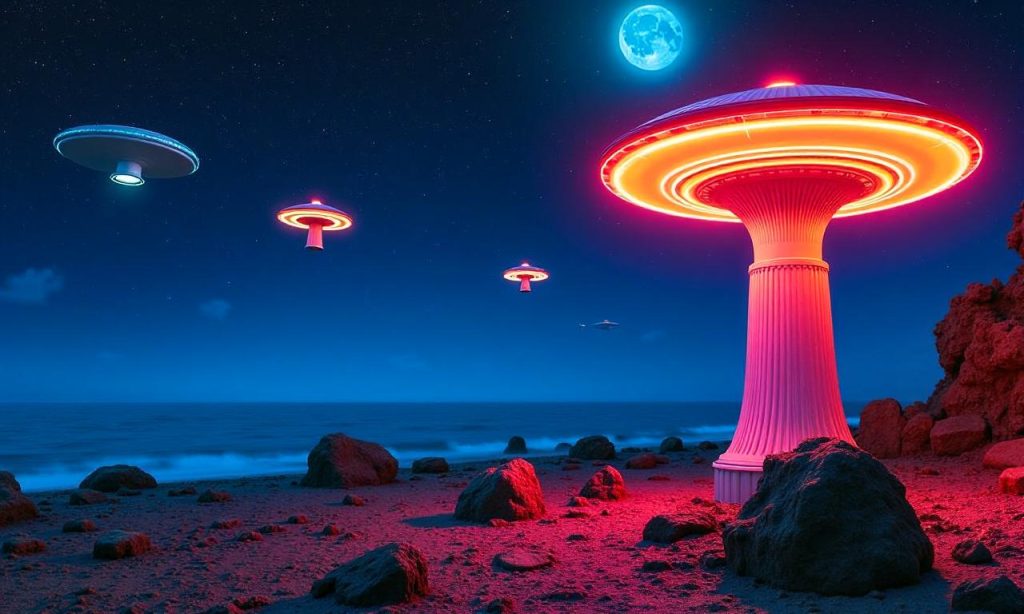
Nestled in the tranquil countryside of Pembrokeshire, a peculiar structure resembling a landed spacecraft emerges from the terrain. This UFO-shaped pod, part of a boutique glamping site, stands out against the backdrop of farmland and starlit skies. Its deliberate oddity is intentional, catering to a growing trend in UK tourism where the unique setting of a stay has become more appealing than the destination itself.
Martin and Carol Anne Johnson, the site’s owners, have spent over a decade converting an overgrown plot near a forgotten mill into a collection of unconventional holiday spaces. Their vision aligns with a broader shift in the travel industry, emphasizing experiences over standard accommodations. Industry analysts describe this movement as “experience-led travel,” where the essence of the stay becomes the primary draw.
“We’ve witnessed a significant surge in this area, with searches for experiential lodging rising by over 32% in recent years,” noted Alex Wilson, co-founder of Host Unusual. “People are craving novelty—something that breaks the routine.” Johnson echoed this sentiment, adding: “They seek an experience. It’s not just about the place, but the feeling it evokes.”
While themed events like Star Wars Day generate seasonal interest, the appeal of such stays extends beyond specific pop culture references. The focus is on an overall sense of escapism and unfamiliarity, attracting a diverse range of visitors. Families might come for the adventure, while sci-fi enthusiasts are drawn to the Tardis-style bathroom and themed costumes. Yet, many guests prioritize the private, self-contained environment, enjoying amenities like hot tubs without needing to venture beyond the site.
Johnson’s journey to this unconventional path began modestly. The couple initially purchased four acres to restore a 17th Century mill, constructing a treehouse as a temporary retreat. The idea of creating a UFO emerged later, inspired by a fibreglass structure from the 2012 London Olympics. “I saw it on eBay and thought, this shape could work,” he recalled. Rather than building from scratch, he repurposed the design, blending it with creative touches.
The development process was experimental. Johnson described it as a “trial and error” endeavor, often visualizing ideas in the evenings and testing them the next day. One notable challenge was crafting a functional drop-down door to mimic spacecraft entrances. Despite the hurdles, the result is a theatrical space that immerses guests in a unique ambiance, complete with lighting effects and soundscapes that enhance the experience.
Travel journalist Simon Calder highlighted the broader impact of this trend, noting a shift in traveler expectations. “There’s a split in what people are looking for,” he said. “Some seek budget-friendly stays with reliable Wi-Fi, while others crave character and storytelling.” Calder emphasized the economic significance of this change, stating: “Inbound tourism is vital to an economy—exciting, unique offerings like Wales’ UFO pods are exactly what it needs to thrive.”