
Ex-cellmate says he found suicide note from Jeffrey Epstein following earlier suicide attempt
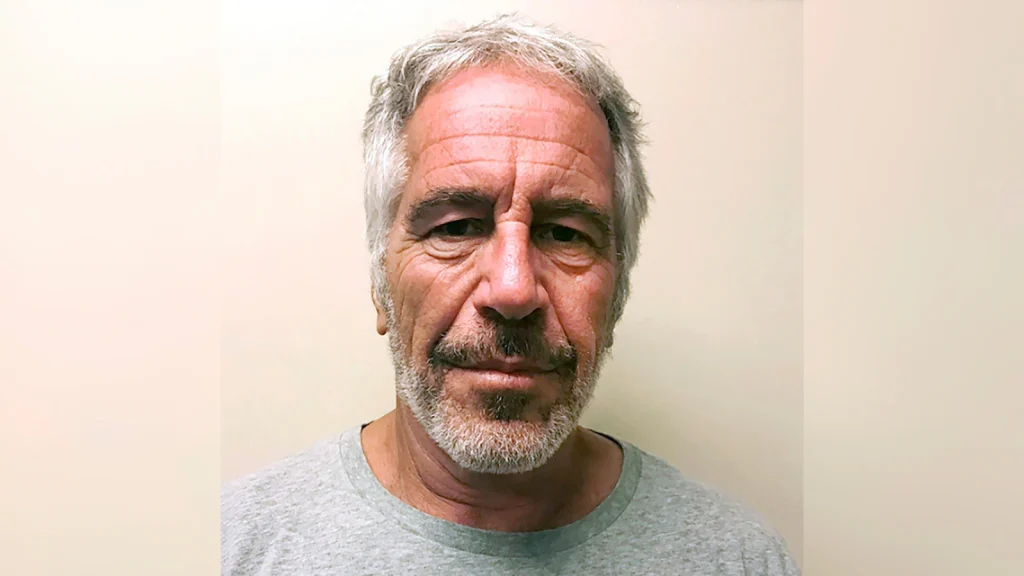
Ex-cellmate Claims Discovery of Epstein’s Suicide Note Amid Ongoing Legal Scrutiny
Ex cellmate says he found suicide – Jeffrey Epstein’s alleged suicide note, reportedly penned in the months prior to his death, has become a focal point in a new chapter of his legal saga. Nicholas Tartaglione, a convicted quadruple murderer and Epstein’s former cellmate, revealed to The New York Times that he discovered the note in July 2019. The document, which was written on yellow legal pad paper, was hidden inside a book, according to Tartaglione’s account. This revelation adds another layer to the mystery surrounding Epstein’s final days, as it surfaced just weeks before he succumbed to a suicide attempt in his Manhattan jail cell.
Epstein’s Suicide and the Incident Report
On July 23, 2019, Epstein was found in his cell, with a homemade noose wrapped around his neck, as detailed in a Bureau of Prisons incident report. The report described him as lying in the fetal position on the floor, clad in a t-shirt and boxers, his breathing heavy and his snoring audible. His neck exhibited redness, though no abrasions were noted, with medical staff concluding that a circular line of erythema and friction marks indicated the presence of a ligature. The note, which Tartaglione claims he uncovered during his time in the same cell, was not initially mentioned in the official account of Epstein’s death.
Tartaglione’s discovery of the note occurred after Epstein had attempted to take his own life without success. The timeline of events, as outlined in a two-page chart from the Justice Department’s Epstein files, suggests that the note was found sometime between July 23 and July 27. The document also notes that Tartaglione’s attorney, Bruce Barket, authenticated the note in January 2020, though the method of verification remains unspecified. This authentication has raised questions about the note’s credibility and its role in the broader investigation into Epstein’s demise.
Legal Proceedings and the Request to Unseal the Note
The New York Times has filed a petition with a federal judge to unseal the note, citing Tartaglione’s public discussion of its contents and the inclusion of a two-page chronology document in the Justice Department’s recent disclosures. U.S. District Judge Kenneth Karas has set a deadline of May 4 for the parties involved to respond to the request. Despite the evidence in the chart, federal prosecutors from the Southern District of New York were initially unaware of the note’s existence, as confirmed by sources close to the case. This lack of awareness underscores the complexity of the Epstein file, where critical information may be obscured by secrecy.
The note, now part of a sealed file in Tartaglione’s criminal case, has become a key piece of evidence in the ongoing probe. Tartaglione first revealed the note’s existence in a podcast last year, sharing its contents with a mix of irony and personal insight. “It said something like ‘FBI, you know, looked into me for months and found nothing,’ then he wrote, ‘What do you want me to do? Cry about it?'” he recounted. The note also included a smiley face and the phrase “time to say goodbye,” which Tartaglione described as peculiar given Epstein’s demeanor at the time.
Epstein’s Psychological State and the Suicide Risk Assessment
Following his first attempted suicide, Epstein underwent a “suicide risk assessment” that would later be cited in his death investigation. The evaluation, conducted while he was in custody, concluded that he had no intent to end his life. “Inmate Epstein denied any past or present suicidal ideation, intention, or plan,” the report stated. He also claimed to have no history of self-injurious behavior, asserting that he had “lots to do for [his] legal case” and was eager to continue fighting his charges. “He stated he lives to have fun, to enjoy life, and to learn,” the assessment noted. His future plans included returning to his normal life and engaging in interactions with “interesting people and projects.”
Despite these assurances, Epstein was placed back under psychological evaluation the day after his suicide attempt. A staff psychologist at the Metropolitan Correctional Center documented his denial of suicidal thoughts: “Mr. Epstein stated, ‘I have no interest in killing myself.'” He further elaborated, explaining that although his circumstances were “not perfect” due to incarceration, he remained committed to his legal battle. “It would be crazy” to take his life, he said, adding, “I would not do that to myself.” These statements, however, contrast sharply with the evidence of his subsequent death, sparking debate about the reliability of his mental state assessments.
The Sealed File and Its Implications
Tartaglione’s attorney, Bruce Barket, has emphasized that the entire Epstein affair connected to his client remains sealed. “The entire Epstein affair, as it relates to Nick, is under seal, not just the supposed note, if there is one,” Barket stated when reached by ABC News. This sealing has allowed the note to remain hidden from public view, with the Times arguing that its unsealing is necessary for transparency. The legal team’s stance highlights the ongoing tension between confidentiality and the need for public accountability in Epstein’s case.
The Justice Department’s internal watchdog has also been tasked with reviewing the department’s compliance with the Epstein Files Transparency Act, which mandates the disclosure of relevant documents. The note’s inclusion in the two-page chart suggests that it was considered significant enough to be referenced in the department’s findings, yet its content was not made public until now. This delay has fueled speculation about the note’s role in the broader conspiracy theories surrounding Epstein’s death, with some suggesting it may reveal insights into his mental state or potential motivations.
Context and Broader Significance
The suicide note, if authentic, adds a personal dimension to Epstein’s tragic end. It implies a sense of frustration or resignation, possibly tied to the scrutiny he faced from authorities. Tartaglione’s account also raises questions about the timeline of events, as Epstein’s first attempt was followed by a denial of suicidal intentions. This contradiction may prompt further examination of the psychological evaluations conducted during his incarceration.
Meanwhile, the legal battle over the note’s unsealing reflects the broader challenges in accessing information related to Epstein’s case. The sealed file in Tartaglione’s case serves as a repository for evidence that could reshape the narrative of his death. As the federal judge weighs the Times’ request, the note’s fate will likely influence public perception of Epstein’s final moments and the extent of the secrets surrounding his incarceration.
The incident report and Tartaglione’s testimony paint a picture of a man who, despite his legal troubles, seemed determined to continue living. Yet, the suicide note suggests a vulnerability that may have been overlooked in his earlier assessments. This duality—between his public assertions of resilience and private expressions of despair—adds depth to the story of a man whose life was marked by both triumph and tragedy.