
Trump nominates radiologist Dr. Nicole Saphier as surgeon general
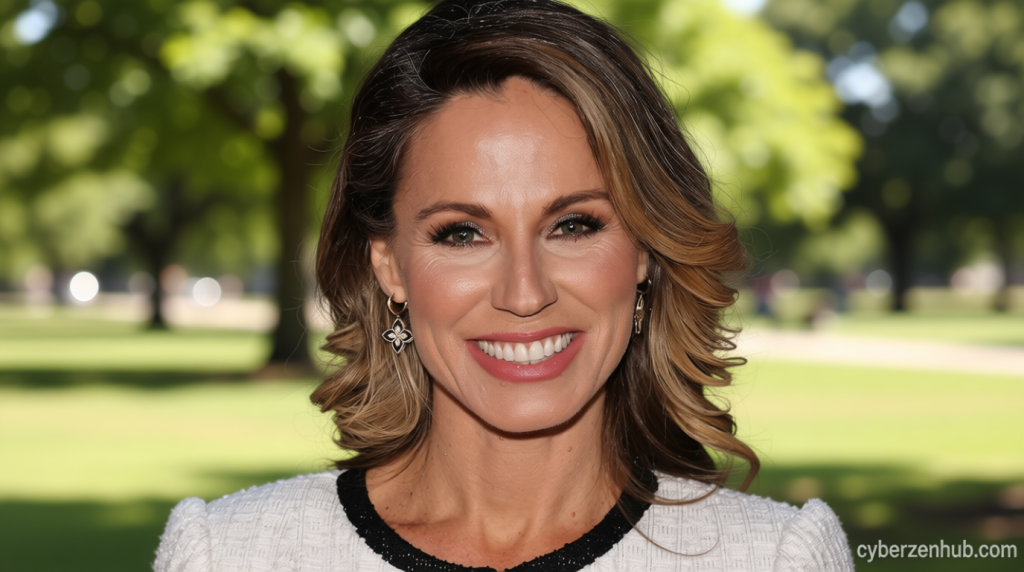
Trump Nominates Radiologist Dr. Nicole Saphier as Surgeon General
Trump nominates radiologist Dr Nicole Saphier – On Thursday, President Donald Trump announced his selection of Dr. Nicole Saphier as the upcoming Surgeon General. The choice, shared via social media, emphasized her expertise in guiding patients through breast cancer care and her dedication to advancing early detection initiatives. Saphier, a radiologist, has been recognized for her work in helping women navigate their diagnosis and treatment journeys, as well as her efforts to promote preventive measures against cancer. Her nomination marks the latest in a series of appointments for the role, which has historically been a key position in shaping public health policy.
The Surgeon General’s Role in Public Health
The Surgeon General, often called the “Nation’s Doctor,” serves as a critical voice in disseminating health-related scientific information to the public. This includes topics like nutrition, mental health, and the impact of screen time on well-being. A notable responsibility is issuing warnings on potentially harmful products, such as tobacco or vaping devices, to inform citizens about health risks. While the role has been instrumental in addressing critical health issues, recent appointments have sparked debate over the balance between advocacy and scientific consensus.
Dr. Nicole Saphier’s Background and Expertise
Dr. Nicole Saphier, currently serving as director of breast imaging at Memorial Sloan Kettering Monmouth in New Jersey, has built a reputation as a leader in diagnostic radiology. Her professional profile highlights her experience with minimally invasive procedures, including those targeting the breast, kidney, pancreas, liver, thyroid, and lymph nodes. Beyond her clinical work, Saphier has been a frequent contributor to Fox News, where she has discussed the importance of early cancer detection and the role of imaging technology in improving patient outcomes. Her visibility on media platforms has positioned her as a familiar face in the realm of public health communication.
“A STAR physician who has spent her career guiding women facing breast cancer through their diagnosis and treatment while tirelessly advocating to increase early cancer detection and prevention.”
Vaccine Advocacy and Views on Immunization Schedules
During a recent interview on Fox News Digital, Saphier reiterated her support for vaccines, specifically noting that research consistently shows no direct connection between the measles, mumps, rubella (MMR) vaccine and autism. This stance contrasts with Health and Human Services Secretary Robert F. Kennedy Jr., who has previously raised concerns about the potential link between vaccines and neurological conditions. However, Saphier’s perspective on immunization schedules diverges from the mainstream. She advocates for spacing out childhood vaccinations, suggesting that parents should have the flexibility to delay certain shots if they prefer, provided they consult with medical professionals.
Dietary Stances and Public Health Initiatives
In addition to her work with vaccines, Saphier has expressed concerns about the growing prevalence of ultra-processed foods in American diets. She has publicly endorsed the consumption of full-fat dairy products, such as whole milk, as part of a balanced nutritional approach. This aligns with her broader emphasis on promoting healthy lifestyle choices and addressing dietary habits that may contribute to chronic diseases. Her advocacy reflects a focus on both medical science and the practical application of health advice to everyday life.
Previous Nominations and Senate Confirmation Dynamics
Saphier’s nomination follows two prior attempts by President Trump to fill the surgeon general role. His first pick, Dr. Janette Nesheiwat, saw her appointment withdrawn in May 2025, just days before confirmation hearings were set to begin. Trump’s second nominee, Dr. Casey Means, faced scrutiny during a Senate Health, Education, Labor and Pensions (HELP) committee hearing in February 2026. Means, who holds a medical degree but did not complete her residency, demonstrated some hesitation in endorsing certain vaccines, such as the flu shot, as effective in preventing serious illness. Sen. Bill Cassidy, the HELP committee’s chair and a practicing physician, challenged her on this point, citing two measles-related deaths from the previous year.
“the majority of research shows there is no causal link between the measles, mumps, rubella (MMR) vaccine and an increased risk of autism.”
“every patient should have a conversation with their doctor about getting vaccinated.”
Means’ responses during the hearing emphasized personal autonomy in healthcare decisions, suggesting that individualized discussions between patients and doctors are essential. This approach, while supportive of vaccination, left some questioning her commitment to public health mandates. Trump, who has consistently prioritized appointing medical professionals with specific ideological leanings, seemed to view Cassidy’s role as an obstacle to confirming Means. In a social media post on X, Casey Means’ brother Calley Means accused the senator of employing “constant delay tactics” to block his sister’s nomination. This clash underscores the political nature of the confirmation process, where personal convictions and policy priorities often intersect.
Dr. Nicole Saphier’s selection comes at a time when the surgeon general position has become a focal point for debates over vaccine efficacy and dietary health. Her background as a radiologist with a strong focus on breast imaging positions her as a candidate with both technical expertise and public engagement experience. However, her stance on immunization schedules and her advocacy for flexible vaccine timing may influence the direction of the office’s public health messaging. Supporters argue that her approach aligns with personalized medicine, while critics worry it could undermine widespread immunization efforts.
As Saphier prepares for her confirmation process, her role in shaping public health discourse will depend on her ability to navigate these contrasting viewpoints. The president’s history of selecting medical figures with clear advocacy positions suggests that Saphier’s appointment is part of a broader strategy to emphasize specific health priorities. Whether her tenure will reflect a stronger push for early cancer detection, a balanced view on vaccines, or a focus on dietary reform remains to be seen. Her confirmation will be a test of how the new administration intends to balance scientific evidence with policy preferences in the health sector.
Context and Implications of the Nominations
The evolution of Trump’s surgeon general appointments highlights the dynamic nature of public health leadership under his administration. Dr. Nesheiwat’s abrupt withdrawal underscored the political risks associated with the role, particularly when facing opposition from within the Senate. Dr. Means’ cautious approach during her hearing revealed the challenges of aligning medical expertise with public health mandates. Now, with Saphier’s nomination, Trump appears to be pursuing a candidate who combines clinical experience with a clear stance on vaccine and dietary issues. This pattern of appointments reflects a strategic effort to align the Surgeon General’s messaging with the administration’s broader health agenda.
As the healthcare landscape continues to evolve, the surgeon general’s role will remain central to shaping public perception and policy. Saphier’s nomination not only addresses immediate staffing needs but also signals a shift in focus toward specific health challenges, such as cancer prevention and dietary habits. Her ability to communicate these priorities effectively will determine her impact on national health initiatives. With confirmation hearings likely to be a key moment in her career, Saphier’s path forward will be closely watched by both medical professionals and the public at large.