
Plains and the Midwest bracing for more severe weather, possible tornadoes
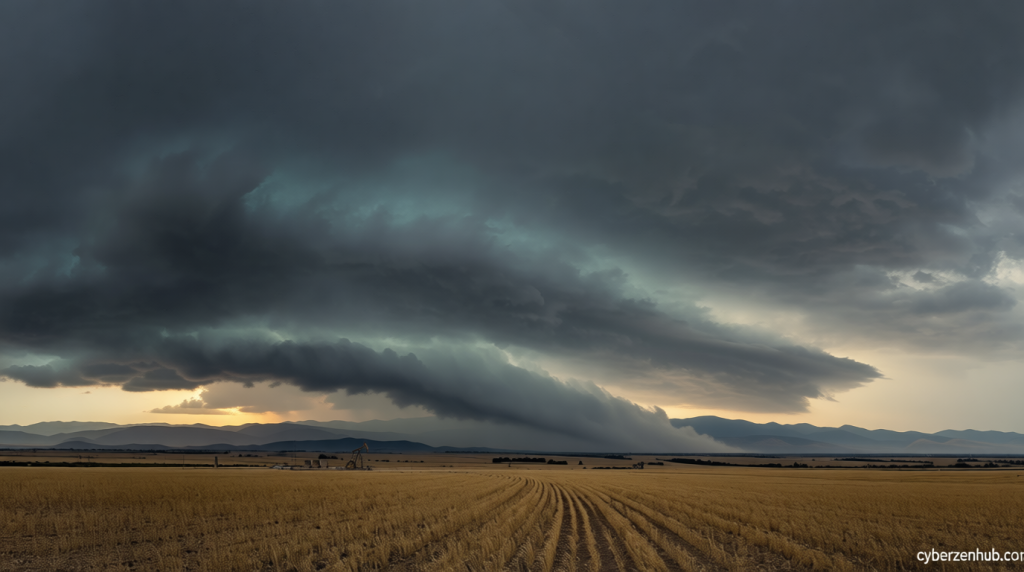
Plains and the Midwest bracing for more severe weather, possible tornadoes
Plains and the Midwest bracing for more – Residents across the central Midwest and Great Plains are preparing for yet another wave of intense weather conditions, which may include tornadoes, damaging winds, and large hail. The storm system, anticipated to persist through Monday and Tuesday, is expected to be most active in regions stretching from north-central Oklahoma to parts of Minnesota and western Wisconsin. Meteorologists have noted that the central portion of the country, including these areas, could see heightened activity as the weather pattern shifts.
Enhanced Risk Zones Identified
The National Weather Service has designated several regions as being under an “enhanced risk” level, specifically a level 3 out of 5. This includes areas from east-central Nebraska through southwest Minnesota, where the threat of severe weather is particularly pronounced. Cities such as Sioux Falls, South Dakota, and Grand Island, Nebraska, are highlighted as being within this zone. Weather conditions in these regions could lead to tornado formation, strong winds, and large hailstones, according to the service’s latest assessment.
Parts of the central Plains and Midwest remain under threat from the same weather systems that caused significant disruption earlier in the week. On May 17, 2026, storms originating in north-central Oklahoma were expected to extend their reach into Minnesota and western Wisconsin. These conditions were not only a cause for concern but also a reminder of the region’s vulnerability to sudden atmospheric changes. The impact of these storms has already been felt, with reports of tornadoes in Iowa, Kansas, and Nebraska, as well as hail the size of baseballs in Kansas, Missouri, Iowa, and Nebraska.
Thunderstorms near Concordia, Kansas, on Saturday produced estimated wind gusts of 90 mph, knocking down trees and power lines. These gusts were not only powerful but also indicative of the severity of the storm system. The event underscores the potential for widespread damage in areas where weather conditions reach critical levels.
As the week progresses, the severe weather outlook remains unchanged. On Sunday, May 17, 2026, the risk of extreme weather is expected to peak in the central and northern parts of the Plains. For example, Hill City Airport in northwest Kansas reported wind gusts reaching 82 mph, contributing to the formation of dust storms that could jeopardize road safety and visibility for drivers. Such conditions are common in the region during late spring, when atmospheric instability is at its highest.
Monday’s Severe Weather Outlook
Severe weather warnings are set to extend into Monday, May 18, 2026, with the potential for a major outbreak across the central Plains and Midwest. More than 30 million people in these areas are expected to be on alert for thunderstorms, tornadoes, and strong winds. The National Weather Service has issued a level 4 out of 5 “moderate risk” advisory for parts of central and northeast Kansas, as well as far southeast Nebraska, including the city of Topeka. This advisory highlights the possibility of strong tornadoes, hail larger than baseballs, and destructive winds.
The enhanced risk advisory for Sunday, May 17, also continues into Monday, affecting regions from north-central Oklahoma to central Wisconsin. Cities like Wichita, Kansas; Kansas City, Missouri; Omaha, Nebraska; and Des Moines, Iowa, are included in this alert. The weather system’s movement suggests that these areas will experience potentially severe thunderstorms, with the potential for flash flooding and wind damage.
Fire Weather Conditions Persist
While the focus remains on severe storms, the Plains and Southwest are also dealing with critical fire weather conditions. The combination of warm, dry, and windy weather has created an environment where wildfires can spread rapidly. Red-flag fire danger warnings have been issued across Arizona, southern Nebraska, and California’s Central San Joaquin Valley. In these regions, wind gusts exceeding 55 mph are expected to exacerbate the situation, especially in areas already suffering from severe drought.
On Sunday, May 17, 2026, wildfires in Minnesota, such as the Flanders Fire in Crow Wing County, have already burned over 1,100 acres and were 0% contained. This rapid spread has led to evacuation orders in the city of Crosslake, demonstrating the urgency of the situation. The Minnesota fires prompted Governor Tim Walz to declare a state of emergency, mobilizing the National Guard to assist with containment efforts.
Wildfires are not limited to Minnesota. Dozens of fires broke out across the Great Plains, from Montana to the Dakotas, over the weekend. Additionally, Texas and New Mexico have seen an increase in fire incidents in recent days. The greatest fire threats on Sunday are concentrated in northwest Texas, including Amarillo, and parts of New Mexico and Kansas. These conditions are likely to continue into Monday, as the risk of extreme drought persists in several red-flag warning zones.
Regional Impact and Preparedness
Amid the dual threat of severe storms and fire weather, residents are being urged to take precautions. In the Midwest, preparations are underway for potential tornadoes and damaging winds, with emergency shelters and public alerts being prioritized. In the Southwest, the emphasis is on preventing wildfires, with additional resources being allocated to monitor dry conditions and high winds.
The recent weather events have served as a stark reminder of the region’s climate variability. For instance, the thunderstorms that caused wind damage in Concordia, Kansas, are part of a broader pattern affecting the central United States. Similarly, the flash flood emergency in central Grundy County, Missouri, highlights the sudden nature of severe weather, with six to eight inches of rain falling in a short period. These incidents have led to temporary evacuations and heightened awareness among local authorities.
As the weather pattern evolves, the National Weather Service continues to provide updates. The severe weather outlook for Monday and Tuesday is closely monitored, with meteorologists advising that the risk of extreme conditions may increase. Meanwhile, the fire weather alerts remain in place, ensuring that both storm and fire threats are addressed simultaneously. The combination of these factors creates a complex challenge for emergency management teams across the country.
While the primary focus is on the Midwest and Plains, the potential for severe weather extends to other regions as well. The Southwest and parts of the Southeast are also under watch for critical fire weather, which could lead to additional outbreaks. This interconnectedness of weather phenomena underscores the importance of regional coordination in disaster response.
Residents are advised to stay informed and prepared, whether for tornadoes or wildfires. The National Weather Service and local authorities are working to provide timely updates and ensure public safety. As the week progresses, the likelihood of severe weather remains high, with the potential for life-threatening conditions in multiple areas. The coming days will be crucial in determining the full extent of the impact and the effectiveness of preparedness measures.
Related to the severe weather, researchers are also noting the possibility of record heat affecting parts of the United States. This combination of extreme weather and heat could place additional strain on infrastructure and public health systems. Meanwhile, other recent events, such as the 3 dead in Oakland from vehicle strikes,