Lincoln Memorial Pool’s Deteriorating Condition Sparks Concerns
Cyberzenhub.com – The Lincoln Memorial Reflecting Pool, a iconic symbol of Washington, D.C., is now showing signs of wear after recent renovation efforts. While the project aimed to address long-standing algae problems, reports indicate that parts of the pool’s liner are beginning to fail, raising questions about its overall success. Visitors and historians have expressed worry over the visible peeling of the “American flag blue” paint and the accumulation of green algae sludge, which has led to a muddied appearance. These issues highlight the challenges of maintaining a historic site while balancing cost, timeline, and environmental concerns.
Renovation Goals and Unexpected Setbacks
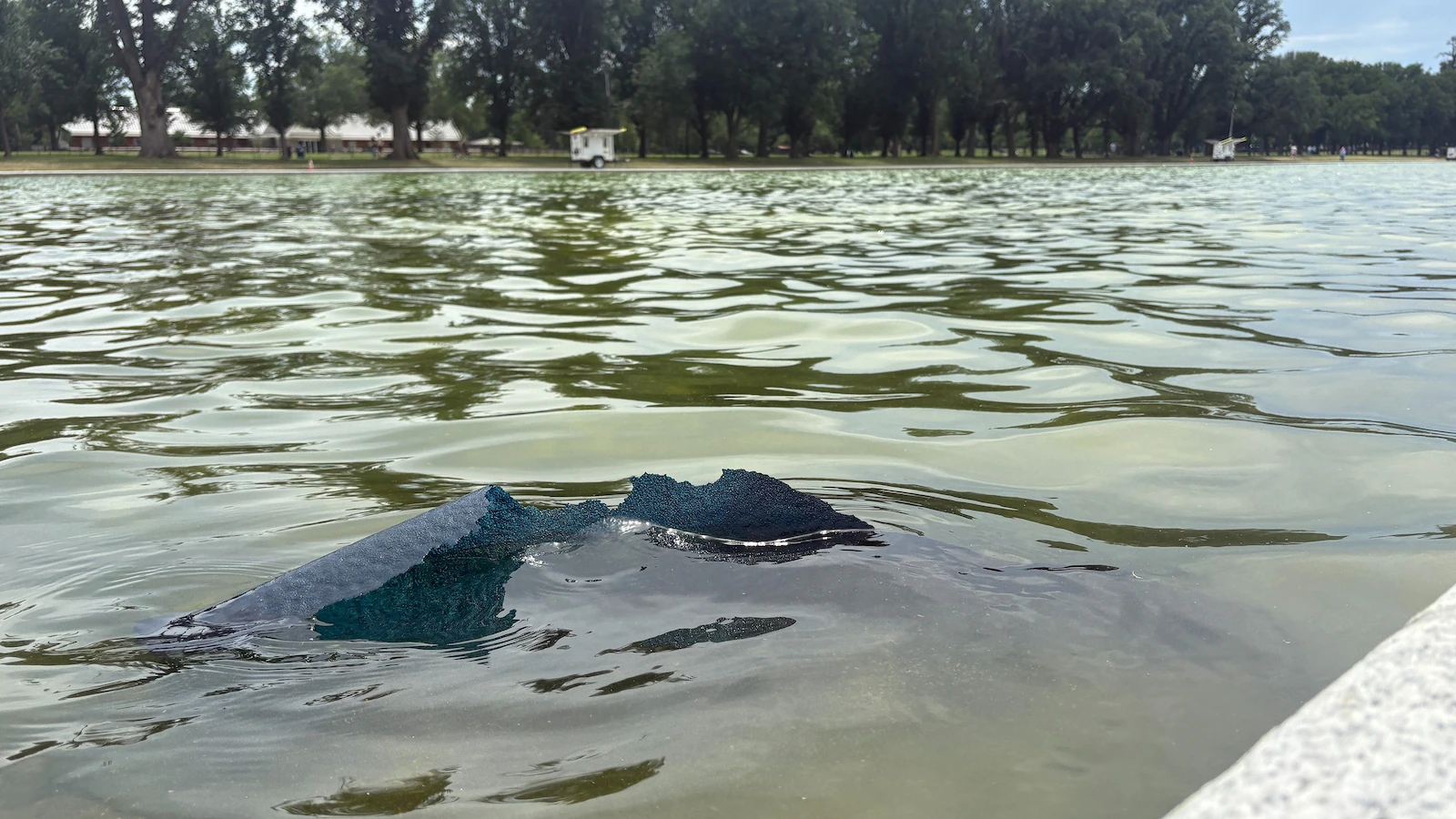
Initially hailed as a quick and affordable fix, the renovation was supposed to restore the pool’s clarity within a week. However, over three months have passed, and the budget has expanded beyond $15 million. The Department of the Interior (DOI) claimed that the nanobubbler technology used in the project has achieved “crystal clear” water, but the reality on the ground tells a different story. Dead algae sludge is now being vacuumed from the pool’s bottom, with some sections of the liner visibly compromised. This has sparked debates about the effectiveness of the chosen methods and the urgency of the project.
“The algae blooms have discolored the landmark and marred the rollout of the renovation project,” a DOI spokesperson stated. Despite assurances of a “very effective” solution, the persistent algae growth and peeling paint suggest that the project’s goals may not have been fully met. The pool, which lies beneath Abraham Lincoln’s statue, remains a central attraction, yet its current state has prompted calls for further inspection and maintenance.
ABC News reported on June 18, 2026, that the pool’s condition had worsened, with sections of the liner floating above the surface. This visual evidence of structural compromise has fueled concerns among both the public and officials. The DOI’s explanation of using hydrogen peroxide as an eco-friendly treatment, while reassuring, has not stopped the algae from returning. This recurrence has led to a reassessment of the project’s long-term strategy.
Technological Interventions and Environmental Trade-offs
The DOI’s approach to algae control has combined advanced nanobubbler systems with hydrogen peroxide treatments. The nanobubbler technology, designed to release ozone-filled bubbles, was meant to eliminate algae without harming the environment. However, the algae’s rapid return suggests that this method may not be sufficient. The use of hydrogen peroxide, which the agency claims is safe for marine life and ecosystems, has also been questioned as a short-term fix rather than a comprehensive solution.
While these technological solutions have been implemented, the Lincoln Memorial Reflecting Pool continues to face scrutiny. The National Park Service has been working tirelessly to remove the sludge, but the visible damage to the liner indicates that the work may not be as durable as anticipated. Critics argue that the lack of competitive bidding for the renovation contracts has contributed to the project’s delays and increased costs, which could affect future maintenance efforts.
Historical Significance and Public Perception
The Lincoln Memorial Reflecting Pool holds immense historical and cultural value, drawing millions of visitors annually. Its condition is not just an aesthetic concern but a reflection of the care taken to preserve the nation’s heritage. The peeling paint and algae growth have not only affected the pool’s appearance but also its symbolic role as a backdrop for memorials and ceremonies. Public perception of the project has shifted, with some viewing it as a necessary upgrade and others as a rushed effort that overlooked long-term stability.
As the renovation project enters its next phase, stakeholders are closely monitoring the situation. The DOI has yet to provide a detailed plan for addressing the liner’s issues, leaving many to wonder if the initial goals were realistic. The Lincoln Memorial, a cornerstone of American history, remains a focal point, but its current state has sparked a conversation about the importance of thorough planning and sustainable maintenance in preserving such landmarks.