Kennedy Center Board Still Weighing Closure and Renovation Plans
Cyberzenhub.com – Officials at the John F. Kennedy Center for Performing Arts have not yet finalized plans for a full-scale renovation, with the board continuing to evaluate options that could involve temporary or permanent closure. While the decision to shut down the iconic arts complex remains under discussion, no programming schedules have been officially announced. This update was shared in a late Friday filing with the federal judge who previously halted the closure proposal, highlighting the ongoing legal and operational uncertainties surrounding the center’s future.
Judge’s Ruling on Fiduciary Responsibilities
The controversy escalated last month when U.S. District Judge Christopher Cooper issued a ruling that blocked the center’s planned closure. In that decision, Cooper cited the board’s failure to meet its fiduciary duties, calling their approval of the renovation proposal “ill-informed” and “seemingly preordained.” The ruling came as part of a broader case that challenged the Trump administration’s decision to rename the facility the “Donald J. Trump and John F. Kennedy Memorial Center for the Performing Arts,” a move that critics argued undermined the center’s legacy.
“The board made a decision without regard for how it would accomplish its full array of statutory responsibilities,” Cooper stated, emphasizing the lack of thorough consideration in the closure plan.
Three Potential Paths Forward
Kennedy Center executive director Matt Floca outlined three options for the board to consider in mid-July, as the center navigates its next steps. These proposals aim to balance the need for renovation with the public’s access to the facility’s resources. The first option involves a complete shutdown to prioritize construction, while the second allows partial closures that would maintain limited programming. The third approach suggests a phased strategy to address critical infrastructure issues without entirely halting operations.
Floca’s filing to the court details these options, presenting them as potential solutions to the ongoing debate. The decision to keep the doors open for now reflects a cautious stance, as management seeks to avoid abrupt disruptions to the center’s services. However, the absence of a clear programming plan raises concerns about the long-term impact of the renovation on the center’s cultural offerings.
Public Access Remains Unaffected
Despite the uncertainty, the Kennedy Center’s management has assured that the public can still visit the facility. The building, which includes a prominent exhibit dedicated to President John F. Kennedy, remains accessible to visitors, even as the closure date was initially set for July 6, 2026. This openness has been maintained in response to the judge’s order, which temporarily halted the shutdown process.
Yet, the Justice Department has pointed out that the center’s leadership has not taken any definitive actions regarding staffing or programming adjustments. “Management has not yet taken any affirmative steps related to programming or staffing,” said DOJ attorneys in their recent filing, underscoring the lack of concrete plans to sustain operations during the renovation phase.
Plaintiffs Accuse Board of Inaction
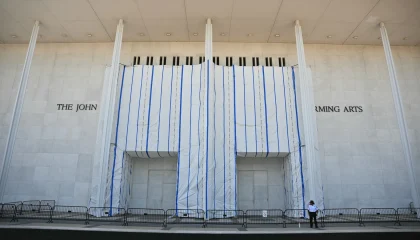
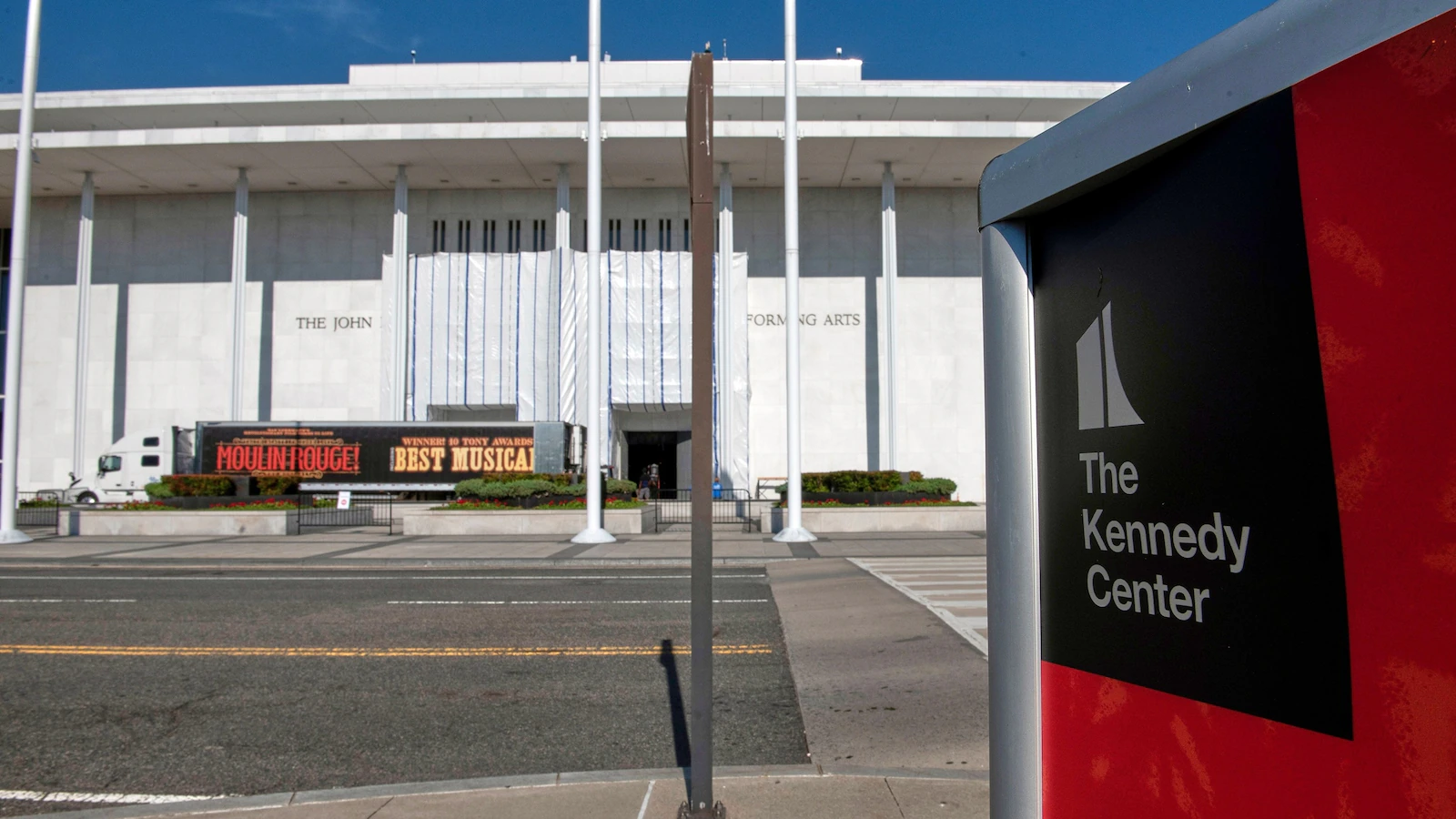
Opponents of the closure, including the center’s board members and plaintiffs in the lawsuit, have criticized the leadership for their perceived lack of urgency. In a joint filing, they described the Kennedy Center as a “lifeless husk” due to the delayed decision-making and the continued presence of scaffolding that obscures the building’s facade. Rep. Joyce Beatty, D-Ohio, who led the legal challenge, argued that the board’s actions were driven by inertia rather than a genuine commitment to the center’s future.
“The center’s leaders could be working to restore programming but ‘flatly refuse to do anything,’ implementing their shutdown decision by inertia,” the plaintiffs’ attorneys stated.
Controversy Over Scaffolding and Naming
The scaffolding covering part of the center’s exterior has become a symbol of the ongoing dispute. While the Trump administration complied with the judge’s order to remove the president’s name from the building’s signage last week, the tarp-covered structure remains visible, casting doubt on the extent of the changes. Plaintiffs highlighted that the scaffolding’s design appears semi-permanent, allowing pedestrian access beneath it, which they claim reflects a deliberate effort to maintain the center’s appearance of operational decline.
Lawyers for the plaintiffs accused the center’s leadership of “willfully sabotaging the Kennedy Center’s iconic facade to assuage Defendants’ vanity or massage broken egos,” according to the filing. The presence of the scaffolding and the continued use of the Kennedy name on the building’s sign have sparked debates about the balance between honoring the center’s historical significance and addressing modern needs.
Broader Implications for the Center
The legal battle over the closure has drawn attention to the Kennedy Center’s role as a cultural landmark in Washington, D.C. The facility, which has hosted major events and performances for decades, is now at a crossroads. The case has also reignited discussions about the legacy of the Trump administration and its influence on public institutions. While the immediate closure was stopped, the long-term implications of the renovation remain unclear.
With the board still deliberating, the Kennedy Center’s future hinges on its ability to reconcile its historical identity with the demands of modernization. The three proposed options suggest a flexible approach, but the lack of a finalized timeline has left stakeholders—artists, staff, and visitors—uncertain about how the center will adapt to its evolving challenges.
Public Reaction and Ongoing Debate
The decision to block the closure has sparked mixed reactions. While some appreciate the preservation of the center’s operations, others argue that the delay risks further undermining its viability. Critics point to the initial plan to reduce programming by spring 2026 as evidence of the board’s willingness to prioritize renovation over public engagement. Meanwhile, supporters emphasize the importance of maintaining the center’s status as a hub for performing arts, even during the transition period.
As the debate continues, the Kennedy Center’s leadership faces pressure to demonstrate accountability. The upcoming board meeting in mid-July will be pivotal in determining whether the facility will undergo a complete overhaul or adopt a more gradual approach. The outcome of this process will not only shape the center’s immediate operations but also set a precedent for how public institutions handle major restructuring in the face of legal scrutiny.
Context and Historical Significance
The Kennedy Center, established in 1971, has long been a cornerstone of the performing arts in the nation’s capital. Its closure for renovation would mean a temporary halt to its role as a venue for concerts, theater, and public events. The facility’s iconic status is further underscored by its connection to President John F. Kennedy, whose legacy is preserved in its design and exhibits. Any extended downtime could affect not only the center’s visitors but also the broader cultural landscape of Washington, D.C.
The legal challenges have also highlighted the symbolic importance of the center’s name. By removing Trump’s name from the signage, the facility reaffirms its dedication to Kennedy’s vision, even as the renovation debate persists. The scaffolding, meanwhile, serves as a visual reminder of the tension between progress and tradition, with the center’s appearance reflecting the ongoing uncertainty of its future.
In summary, the Kennedy Center board’s deliberations on closure and renovation reveal a complex interplay of legal, financial, and cultural considerations. As the leadership weighs its options, the public and stakeholders await clarity on how the facility will move forward, ensuring that its legacy endures even as it embraces change.