7 Killed and Dozens Injured in Chicago’s Weekend Shooting Spree
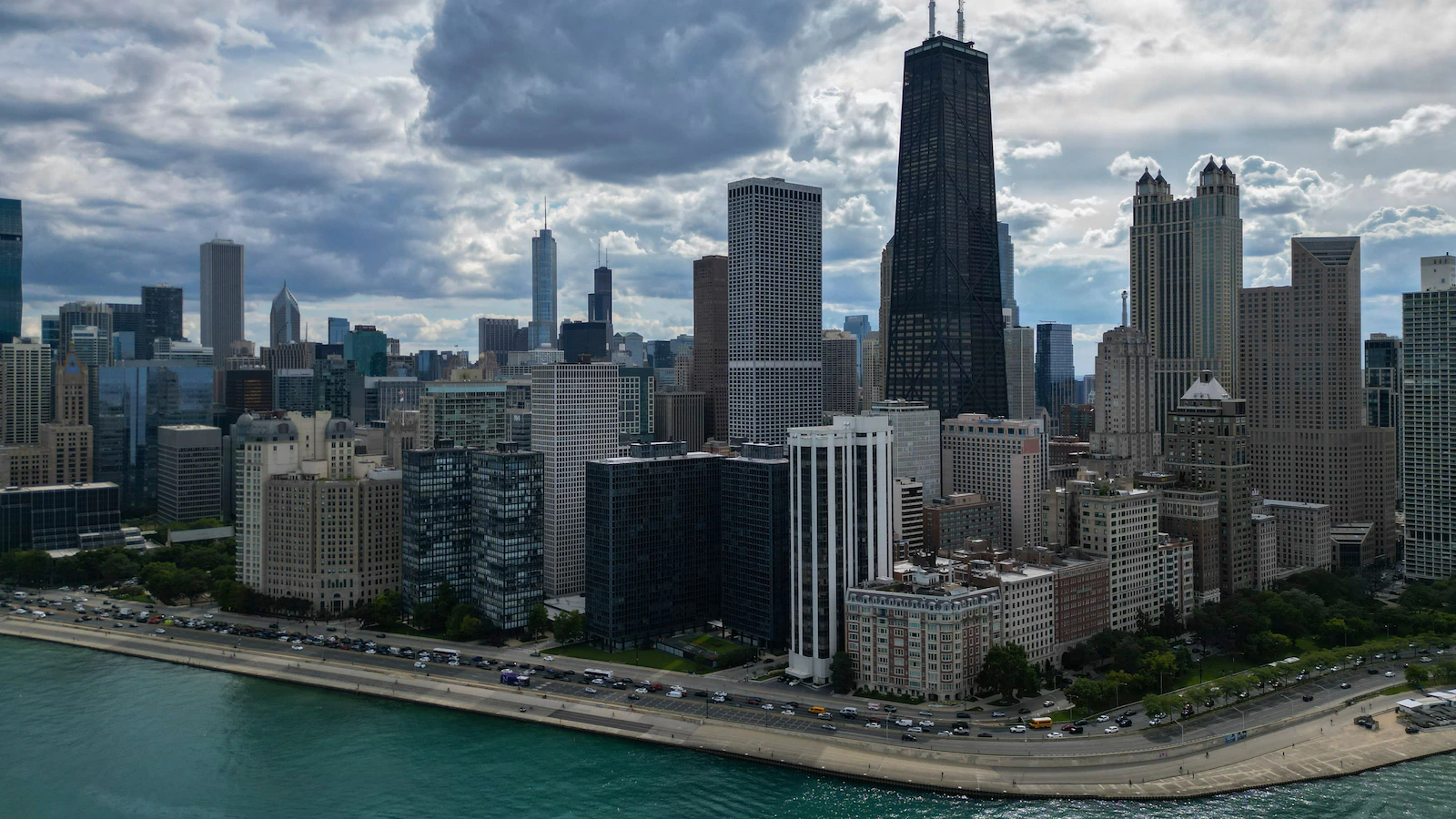
Cyberzenhub.com – Chicago has witnessed a sharp increase in violent incidents over the past two days, with authorities confirming at least seven fatalities and 38 individuals wounded in a series of shootings. The surge in gunfire, which began Friday evening, has sparked renewed calls for federal assistance from President Donald Trump, who emphasized the potential for rapid improvement in city safety through military intervention.
Trump’s Call for Action
In a Sunday morning post on Truth Social, Trump reiterated his demand for a military solution to address the ongoing violence in Chicago. “Why isn’t Governor Pritzker calling me for help? I could make Chicago a safe city in one month,” he wrote, adding, “and even more so within a year, it would be one of the safest!!” His remarks highlight the growing pressure on local leaders to address the city’s crime crisis, despite a recent decline in violent crime rates.
“Why isn’t Governor Pritzker calling me for help. I could make Chicago a safe City in ONE MONTH, in ONE YEAR, it would be one of the safest!!!”
State Governor’s Silence
The office of Illinois Governor JB Pritzker, a Democratic presidential candidate for 2028, has yet to issue a formal statement on the escalating violence. While Pritzker has consistently dismissed Trump’s proposals for military involvement, his absence in responding to the crisis has drawn scrutiny from critics. Law enforcement officials noted that the governor’s stance contrasts with the urgency of the situation unfolding in Chicago.
Broader Context of National Guard Deployments
Under Trump’s administration, National Guard units have been stationed in several Democrat-controlled cities, including New Orleans, Washington, D.C., and Memphis, Tennessee, to combat rising crime. This pattern of federal intervention has become a point of contention in political discourse, with some arguing that such measures are effective, while others question their necessity in areas with stable crime trends.
Crime Trends and Recent Statistics
Despite the recent spike in shootings, Chicago Police Department records show a modest rise in firearm-related incidents compared to the first half of last year. However, the city has experienced an overall reduction in violent crime over the past few years, aligning with national trends. Preliminary reports indicate that at least 24 shooting events occurred since 5 p.m. on Friday, with varying degrees of severity across different neighborhoods.
Details of the Shooting Incidents
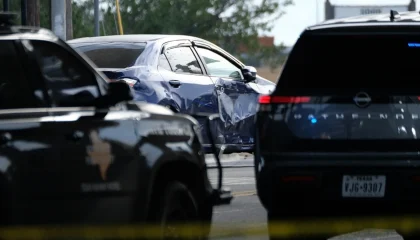
The incidents have spanned multiple locations, with victims ranging in age from 17 to 50. A 21-year-old was struck in the chest on Sunday, an 18-year-old suffered a gunshot wound to the armpit Saturday, and a 50-year-old was critically injured Friday. One of the deadliest moments came on Friday evening when an SUV pulled up to a group of people on a city street, and two occupants opened fire, leaving 12 individuals with gunshot injuries.
“What should have been a night of celebration and community reflection for Juneteenth was shattered by a horrific act of violence,”
Mayor Brandon Johnson shared on X Saturday, offering his condolences to the victims and their families. “Violence has no place in our city, and those responsible will be held accountable,” he added, underscoring the city’s resolve to address the issue.
Other Cities Report Similar Violence
The weekend’s violence is not confined to Chicago. In Philadelphia, a shooting early Sunday morning left two people dead and two others injured, according to Fox-29. Cincinnati also experienced a deadly incident Saturday evening, where three individuals were killed in a firearms-related event, as reported by WLWT. Meanwhile, police in Kansas City, Missouri, are investigating a separate shooting that occurred on Friday evening, resulting in one fatality and five wounded.
Juneteenth and the Impact on Community Events
The fatal shooting on Friday coincided with Juneteenth, a holiday commemorating the end of slavery in the United States. The event, which was meant to celebrate freedom and unity, was disrupted by the violence, with 12 people in a crowd suffering injuries. The attackers, who were later identified as two individuals in the SUV, targeted the group without warning, sending shockwaves through the community.
Historical and Political Significance
Chicago’s crime statistics reflect a complex interplay of social and political factors. While the city’s violent crime rate has declined over the past several years, the recent surge underscores challenges in maintaining that trend. Trump’s focus on deploying the National Guard has been a recurring theme in his discussions about urban safety, contrasting with the more community-based approaches favored by some local officials.
Chicago’s experience highlights the broader debate over how to address rising gun violence. While federal intervention remains a polarizing option, the city’s ongoing efforts to stabilize crime rates demonstrate a commitment to long-term solutions. The deaths and injuries over the weekend serve as a stark reminder of the stakes involved, with families and communities demanding both immediate action and sustained investment in public safety initiatives.
Contributors to this report include Associated Press writer Jack Brook, who provided insights from New Orleans. The continued escalation in shootings has placed the city’s leadership under increased pressure to address the crisis, even as they navigate political and ideological differences in approach.