Supreme Court Overturns Hawaii’s Gun Carry Restrictions on Publicly Accessible Private Property
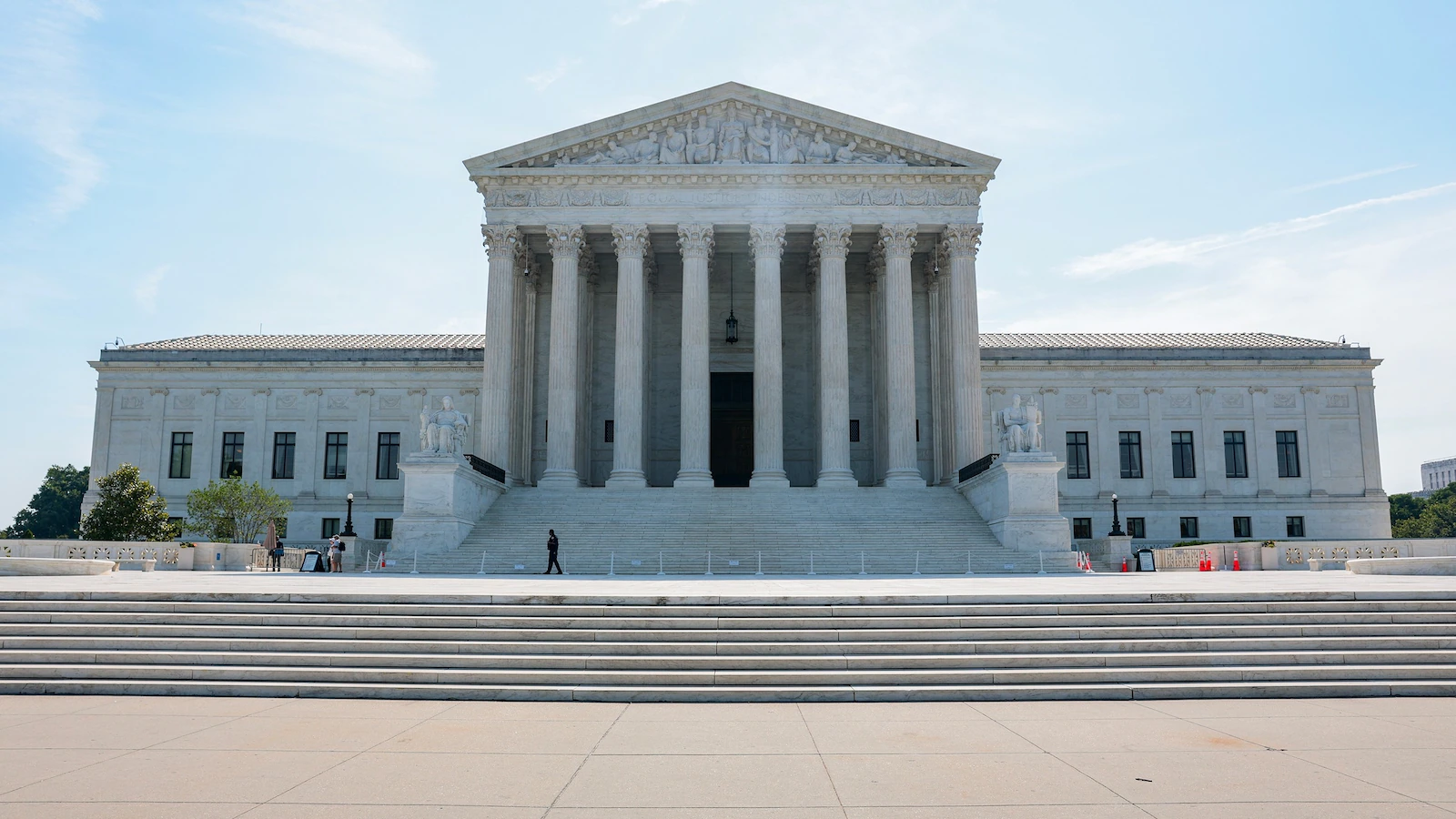
Cyberzenhub.com – The U.S. Supreme Court has taken a significant step in reshaping gun rights by invalidating a Hawaii law that barred individuals from carrying firearms onto private property open to the public without explicit permission from the owner. In a 6-3 decision authored by Justice Samuel Alito, the conservative majority ruled that the law violated the Second Amendment, which guarantees the right to bear arms. The ruling, issued on Thursday, signals a shift toward broader interpretations of gun ownership freedoms, particularly in shared spaces where private and public access intersect.
Ruling Details and Legal Rationale
The law in question, which restricted firearm possession on private property accessible to the public, was deemed unconstitutional by the Court. Alito’s opinion emphasized that the measure imposed “extensive limitations on routine activities” for law-abiding gun owners, effectively creating a barrier to exercising their rights in common areas like parks, restaurants, and shopping centers. “Rather than allowing unrestricted access to private property unless specifically barred, these laws establish a rule requiring express permission for armed entry,” Alito wrote. The Court argued that the law’s requirement for “express authorization” created an undue burden on individuals exercising their right to carry weapons.
“The Hawaii law at issue here violates the constitutional right to keep and bear arms,” Alito stated, highlighting the tension between property rights and the fundamental freedoms protected by the Second Amendment. The decision also raised questions about the balance between public safety and individual liberties, with the majority asserting that the law’s restrictions were too broad and not justified by a clear public interest.
The ruling is expected to have ripple effects beyond Hawaii, potentially invalidating similar laws in California, Maryland, New York, and New Jersey. Gun control advocates had previously supported such measures, citing concerns about gun violence in crowded spaces such as theaters, farms, and private beaches. However, the Court’s majority dismissed these arguments, emphasizing that the law’s scope extended beyond specific high-risk areas and applied broadly to all publicly accessible private property.
Hawaii’s Defense and Historical Context
Hawaii’s legal team contended that the law was rooted in historical precedents, pointing to examples where similar rules were enacted to regulate firearm access. They argued that the Constitution does not explicitly grant a right to carry weapons onto private property without the owner’s consent, and that such laws were consistent with traditional understandings of property rights. “There is no inherent right to armed entry onto private property without the owner’s approval,” a Hawaii representative asserted in the case, referencing laws dating back to the nation’s founding.
Despite these historical analogies, the Court’s conservative majority concluded that these examples were “exceptional legal rules adopted in a few locales” and not reflective of a consistent constitutional principle. Alito’s opinion noted that “overwhelming evidence” supports an enduring American tradition of permitting public carry, even on private premises. This argument was used to counter Hawaii’s claim that the law was necessary to protect public safety and prevent potential threats from armed individuals.
Dissenting Voices and Concerns
Justice Ketanji Brown Jackson, in a dissenting opinion, argued that the ruling undermines the ability of legislatures to address modern safety challenges. She and Justice Sonia Sotomayor criticized the decision, stating it “further binds the hands of modern legislatures attempting to balance and protect their residents’ interests.” Jackson emphasized that the law was designed to provide a clear framework for regulating firearm access in public spaces, a measure she believed was essential for communities to mitigate risks.
“Today’s decision makes one thing clear: The Court’s objective is protecting guns, not consistently preserving any principle of law,” Jackson wrote, challenging the majority’s interpretation. Her dissent underscored the importance of local regulations in adapting to contemporary concerns, such as the proliferation of firearms in areas frequented by civilians.
The ruling has sparked debate over its implications for public safety and individual freedoms. While some see it as a victory for gun rights, others argue it weakens efforts to curb gun violence. The decision also coincides with a related ruling that allowed certain marijuana users to own firearms, further expanding the scope of gun accessibility in the face of federal restrictions.
Reactions from Advocacy Groups
The National Rifle Association (NRA) hailed the ruling as a landmark win, celebrating the Court’s recognition of gun owners’ constitutional rights. In a statement, NRA-ILA Executive Director John Commerford praised the decision, stating that it “freed law-abiding gun owners from the burden of seeking special permission” to carry weapons in public places. “This common-sense law is what the people of Hawaii wanted, but the court has complete disregard for that community’s will,” Commerford added, reflecting the group’s broader support for the decision.
“Law-abiding gun owners will no longer be forced to beg for special permission simply to exercise their constitutional right to bear arms in public places,” Commerford wrote, framing the ruling as a step toward greater freedom for individuals.
Conversely, the Brady Campaign to Prevent Gun Violence criticized the decision, calling it “deeply dangerous” and a prioritization of gun rights over public safety. The group’s president, Kris Brown, argued that the ruling disregards the community’s intent to protect citizens from gun violence. “The Court’s decision privileges guns over everything and all people in society,” Brown stated, emphasizing the potential consequences for areas with high rates of firearm-related incidents.
Broader Implications for Gun Policy
With this ruling, the Supreme Court has reinforced its commitment to expanding the interpretation of the Second Amendment. The decision may embolden states and local governments to enact or repeal laws that impose restrictions on gun carry, even in places traditionally considered public. As a result, private property owners who wish to prohibit firearms on their premises must now take explicit steps to post signage banning guns, rather than relying on implied rules.
Forty-five states have generally adopted a policy that assumes firearm possession is allowed on public-accessible private property unless otherwise specified. This shift could lead to a more permissive environment for gun carrying, particularly in areas where property owners do not actively enforce restrictions. However, advocates for stricter gun control argue that the ruling leaves room for potential abuses, such as armed individuals entering sensitive locations like schools or places of worship without prior notice.
The Court’s decision is likely to become a focal point in ongoing debates about gun rights and public safety. As the legal landscape evolves, the balance between individual freedoms and community protection will remain a central issue, with this ruling serving as a pivotal moment in the interpretation of the Second Amendment.