Trump’s 100% Tariff Threat Targets European Digital Taxes
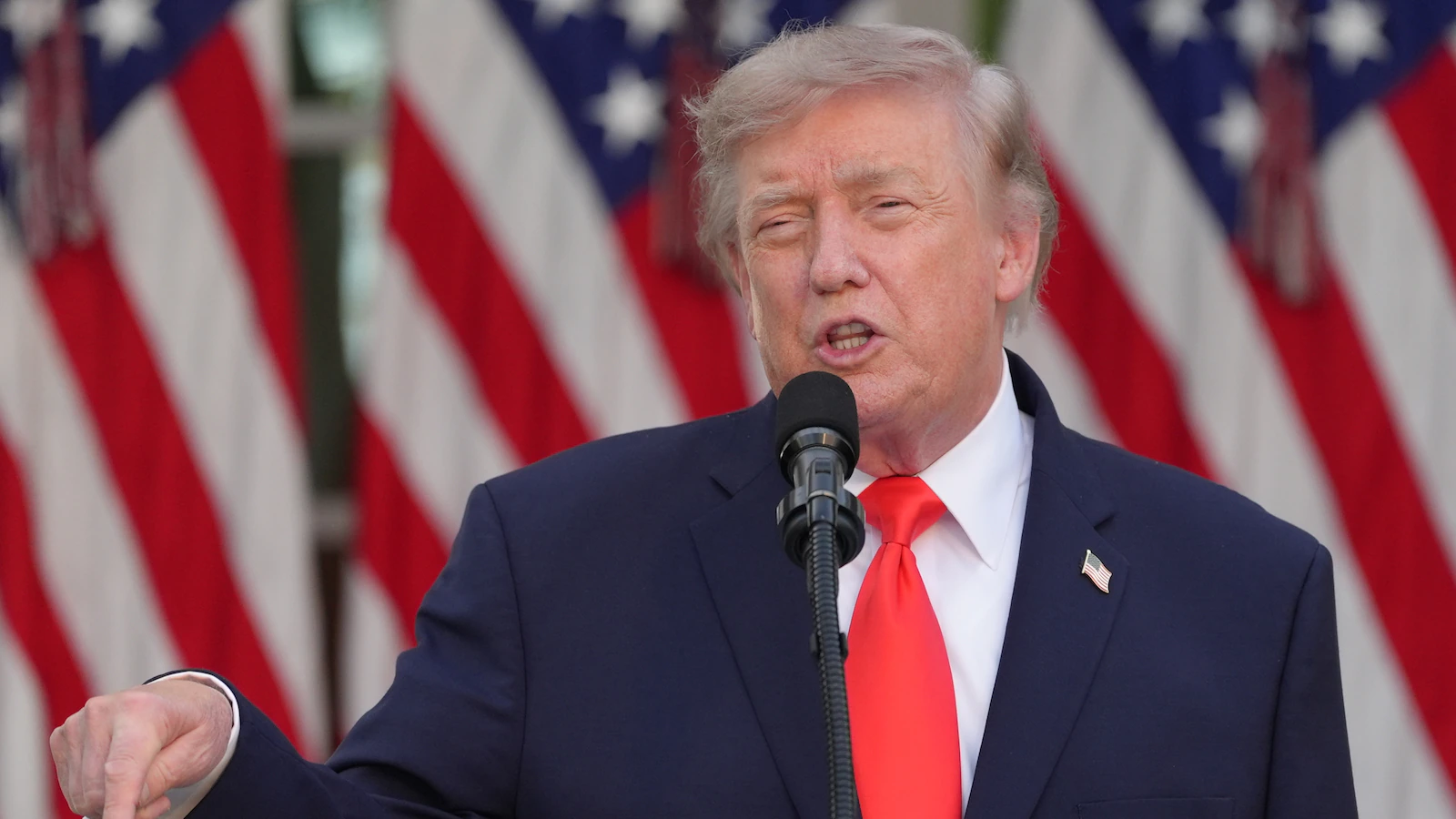
Cyberzenhub.com – In a bold move that could escalate tensions between the United States and its European allies, President Donald Trump issued a warning on Friday against imposing a 100% import tariff on goods from any country that introduces taxes on digital services provided by U.S. companies. The threat came as part of a social media post where Trump emphasized his dissatisfaction with nations that are reportedly preparing to implement such taxes, calling them “imminent” in nature. This announcement marks another step in the president’s ongoing strategy to counter foreign policies targeting American technology firms.
EU’s Digital Tax Debate and U.S. Response
The European Union has been actively discussing measures to tax digital services, a policy aimed at addressing the growing influence of American tech giants in the bloc’s economies. Trump’s recent post singles out European countries for their potential implementation of these levies, framing them as unfair obstacles to U.S. businesses. The president has long advocated for tariffs as a tool to pressure nations that he views as imposing unnecessary costs on American companies. His threat suggests that such taxes could trigger an immediate and comprehensive retaliatory measure.
Trump’s statement clarified that the 100% tariff would override any existing trade agreements, including the recent EU-US pact that caps most tariffs on European exports at 15%. This potential override adds a layer of complexity to the ongoing negotiations, as it could force the EU to choose between maintaining its digital tax framework or accepting U.S. demands. The move could lead to significant economic consequences, such as increased prices for consumers and reduced growth in international trade. If the EU retaliates, the threat of a full-scale trade war looms.
“Please let this statement serve to represent that any Country that imposes such a Tax will immediately be met with a 100% TARIFF on any and all Goods sent to the United States of America,” Trump wrote in his post. The president has previously used similar language to warn of tariffs on nations that tax American technology, emphasizing the need for a level playing field in global trade.
UK’s Digital Services Tax as a Model
The UK’s experience with a digital services tax offers a relevant example of the potential impact of such policies. Since 2020, the British government has levied a 2% tax on revenues earned by search engines, social media platforms, and online marketplaces that derive value from U.K. users. This tax was introduced to address the issue of corporate tax rules that, according to the government, had created a misalignment between where profits are taxed and where value is generated.
The UK’s tax includes thresholds, ensuring that only large multinational companies are affected. The policy document cited by the government stated that the measure aims to ensure these firms “make a fair contribution to supporting vital public services.” However, the U.S. has criticized similar initiatives, arguing they are designed to harm American technology companies. Last year, Trump reiterated his stance, threatening new tariffs on any country that moves forward with such taxation, calling it “unjustified” and a form of discrimination.
Trade Deal and Pending Deadlines
The EU-US trade deal finalized in May has been a key point of reference in recent discussions. This agreement, which reduces tariffs on most European exports to the U.S., was negotiated during months of deliberation within the EU. European Commission chief Ursula von der Leyen had initially struck the deal during a visit to Trump’s golf course in Scotland, setting the stage for broader economic cooperation. However, the digital services tax remains a contentious issue, unaddressed in the agreement and now a focal point of Trump’s new threat.
Trump’s deadline for the implementation of the tariff deal is July 4, a date that adds urgency to the situation. The U.S. government has already initiated investigations into digital services taxes under Section 301 of the Trade Act of 1974, a provision that allows for retaliatory tariffs on unfair trade practices. While the specifics of how Trump plans to execute his threat are still unclear, the message is clear: he is willing to take aggressive action to protect American tech companies from what he perceives as discriminatory policies.
EU’s Defense of Taxation Policies
In response to Trump’s warning, Olof Gill, a European Commission spokesperson, defended the proposed digital taxes as “non-discriminatory” and applicable to all large companies, regardless of their origin. Gill argued that unilateral measures by the U.S. could undermine the EU’s regulatory autonomy and its right to set tax policies that reflect the realities of digital markets. “Unilateral measures targeting such legitimate policies are unjustified. If pursued, the EU will respond swiftly and decisively to defend its rights and regulatory autonomy,” Gill said in a statement.
The EU’s push for digital taxes is driven by the need to secure a fair share of revenue from companies that operate globally but pay taxes in only a few countries. With digital services dominating the economy, the bloc believes it is essential to adjust tax rules to align with the actual value created within its borders. This rationale has been echoed by multiple EU members, who argue that the current system favors U.S. firms at the expense of European taxpayers.
Trump’s threat adds pressure to this debate, as it could force the EU to either abandon its digital tax plans or face a broader economic retaliation. The president’s strategy of using tariffs as a negotiating tool has been consistent, but the 100% tax rate represents a significant escalation. If implemented, it would not only affect European imports but also send a strong signal to other countries considering similar measures.
Historical Context and Future Implications
This is not the first time Trump has targeted digital taxes. Last year, he issued a similar warning, emphasizing that such policies would trigger new tariffs. The recurring nature of his threats suggests a long-term effort to reshape the global tax landscape in favor of American businesses. However, the effectiveness of this strategy depends on how broadly the tariffs are applied and whether they can be justified under existing trade frameworks.
Analysts note that Trump’s approach could lead to a deeper economic rift with the EU, particularly if the bloc retaliates. The UK’s tax, though outside the EU, has set a precedent for other nations to follow, potentially creating a fragmented approach to digital taxation. As the July 4 deadline approaches, the U.S. and EU will need to find a compromise—or brace for a trade war that could reshape international economic relations.
The tension between the U.S. and the EU underscores a larger struggle over the role of digital services in global economies. While the EU seeks to level the tax playing field, Trump aims to shield American tech giants from what he views as unfair burdens. The outcome of this standoff could have lasting implications for international trade and corporate taxation policies worldwide.
Popular Reads
Iran live updates: US conducts strikes on Iran over Strait of Hormuz drone attack Jun 26, 8:55 PM Iran updates: Iran says military’s ‘ready to respond’ amid Trump threats Jun 21, 4:39 PM Venezuela earthquakes live updates: Death toll rises to at least 920, official says 3 hours ago