Millions Lose Obamacare Coverage as Subsidies Expire, Premium Costs Surge
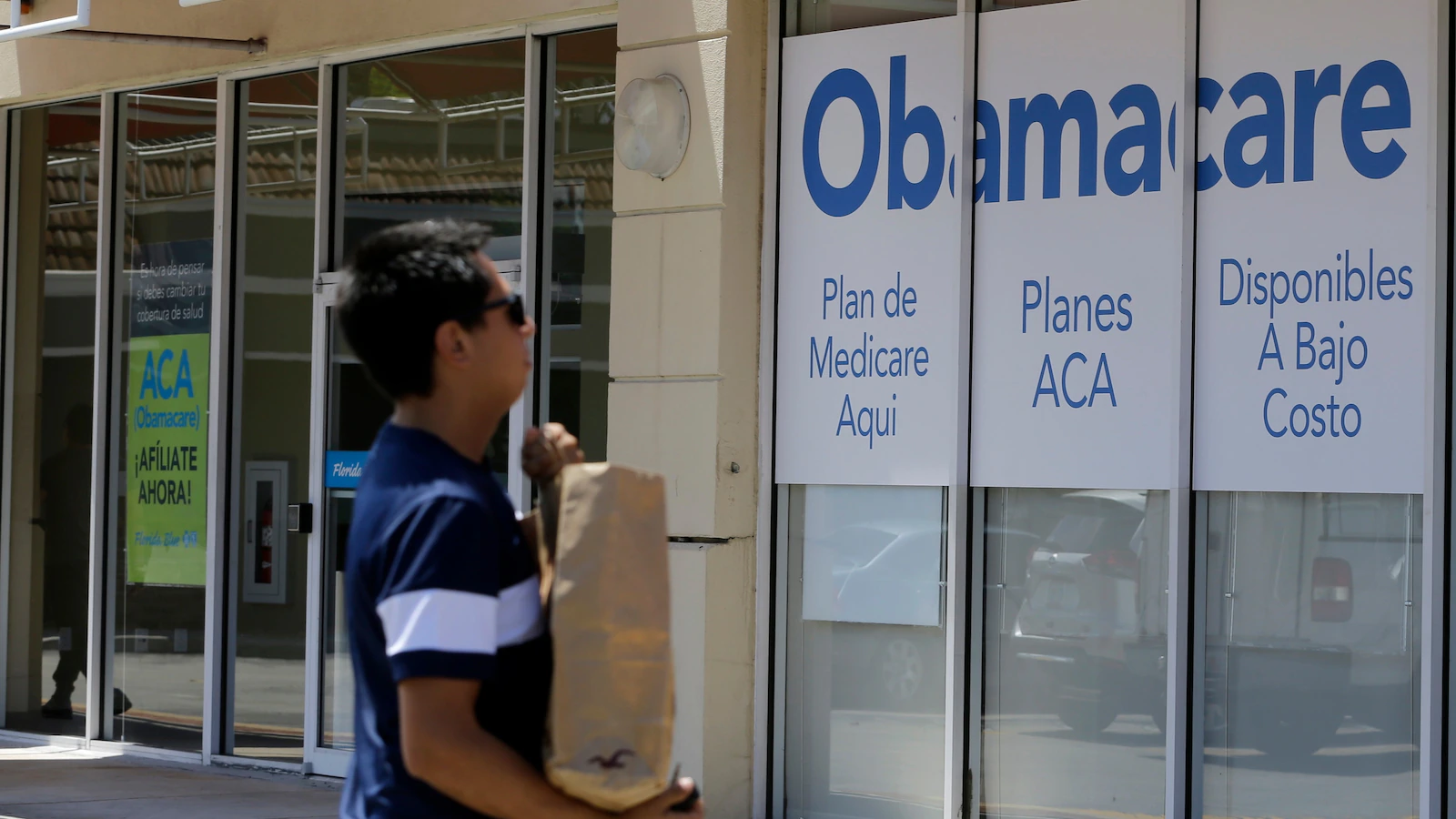
Cyberzenhub.com – NEW YORK — Federal data released this week indicates a notable decline in Affordable Care Act (ACA) health insurance enrollment, with approximately 3 million fewer Americans covered under the program in February 2025 than in the same month the previous year. This drop, which accounts for a 13% reduction in participation, has sparked debate over its primary cause: a federal initiative targeting fraudulent sign-ups or the expiration of subsidies that eased the financial burden on many enrollees.
Subsidy Cuts Drive Premium Increases
The U.S. Department of Health and Human Services (HHS) noted that the sharp decrease in enrollment may stem from a combination of factors, including stricter oversight of “phantom” enrollments. However, analysts argue that the primary driver is the January 1 expiration of federal subsidies. These subsidies, which offset a large portion of insurance costs for low- and middle-income individuals, were abruptly phased out, leaving many consumers to grapple with significantly higher premiums. As a result, millions faced steep cost hikes, forcing them to drop their plans or delay enrollment.
“We know that real people lost their health insurance coverage,” said Cynthia Cox, vice president and director of the ACA program at the healthcare research nonprofit KFF. “This coverage loss happened at the same time millions of people faced double or even triple-digit increases in their premium payments.”
The data, compiled in April but reflecting February 2025 coverage levels, marks the first official analysis of how rising premiums have impacted enrollment. This timing is critical because the figures capture the marketplace after a nonpayment grace period expired, revealing the immediate consequences of individuals unable to afford their first insurance bills. The report underscores a trend that has accelerated in recent months, with the government’s flagship healthcare program experiencing its first year-over-year decline in enrollment since 2021.
Subsidy Debate Intensifies in Congress
Earlier this year, federal estimates showed a 800,000-person drop in ACA plan sign-ups compared to the prior year, signaling the program’s first sustained decline during the annual open enrollment period. Cox predicted that this trend could continue throughout 2025, potentially pushing enrollment to as low as 17.5 million. Such a reduction would have profound implications for working-age Americans without Medicaid eligibility, who increasingly rely on ACA subsidies to access affordable care.
The subsidy cuts have disproportionately affected groups such as gig workers, farmers, ranchers, and independent contractors, who often lack employer-sponsored insurance. For these individuals, the ACA has long served as a critical safety net, providing coverage in the absence of other options. Now, with premiums rising sharply, many face a difficult choice between maintaining health insurance or allocating funds to other essential expenses.
Political and Economic Implications
As the November elections approach, affordability has emerged as a central issue for voters, with the ACA’s cost structure drawing significant attention. The expiration of subsidies in 2025 intensified this concern, particularly for those who had previously benefited from financial assistance. Analysts highlight that the program’s popularity among non-employer-based workers has made it a political lightning rod, with Democrats and some Republicans previously advocating for its expansion while others pushed for cuts.
The data also highlights the broader challenge of balancing healthcare access with fiscal responsibility. While the subsidies were a lifeline for millions, their removal has exposed vulnerabilities in the program’s sustainability. HHS officials have acknowledged the need for further analysis, but the immediate effects are clear: a growing number of Americans are dropping coverage due to rising costs. This trend raises questions about the long-term viability of the ACA and its ability to meet the needs of a changing workforce.
Historical Context and Future Outlook
For the past four years, enrollment in the ACA has remained stable, with steady growth during the open enrollment window. However, the 2025 drop marks a turning point, signaling a potential shift in public sentiment toward the program. Experts warn that without intervention, the decline could continue, jeopardizing the healthcare safety net for millions. Cox emphasized that the current situation reflects a real-world impact of policy changes, as individuals are directly feeling the financial strain.
The fallout from the subsidy expiration has also reignited discussions about the future of the ACA. While some lawmakers argue that the program has outgrown its initial purpose, others stress the importance of maintaining subsidies to ensure coverage for vulnerable populations. The data from February 2025, now publicly available, provides a stark snapshot of these challenges, offering insights into how policy decisions shape access to healthcare.
Broader Impact on Healthcare Markets
Healthcare experts warn that the surge in premiums could have cascading effects on the broader insurance market. As more people exit ACA plans, there may be increased pressure on private insurers to adjust rates, further complicating affordability for those who remain in the program. This scenario has already led to a noticeable shift in enrollment patterns, with some individuals opting for higher-cost plans or seeking alternative coverage sources.
The HHS report also serves as a benchmark for evaluating the program’s performance. By capturing enrollment trends after the grace period for late payments expired, the data offers a more accurate picture of the ACA’s current state. Analysts suggest that this decline may persist if subsidies are not reinstated or if additional cost-saving measures are implemented. The program’s ability to adapt to these challenges will be a key focus as policymakers prepare for the upcoming election season.
Public Reaction and Policy Responses
Public reaction to the enrollment drop has been mixed, with some attributing it to the ACA’s long-term structural issues and others pointing to the specific impact of subsidy cuts. Advocacy groups have called for immediate action to restore subsidies, arguing that the program’s core mission—to provide affordable coverage to those who need it most—is at risk. Meanwhile, lawmakers continue to debate the best way to address rising healthcare costs, with proposals ranging from tax credits to market reforms.
As the data becomes more widely known, the conversation around the ACA is shifting toward its future. With enrollment numbers declining and premium costs rising, the program’s role in the U.S. healthcare system is under scrutiny. For millions of Americans, the decision to drop coverage represents not just a financial adjustment, but a broader shift in how they perceive the value of health insurance in an era of economic uncertainty.
The HHS report adds to a growing body of evidence that the ACA’s sustainability depends on continued support for subsidies. Without such assistance, the program may struggle to maintain its current level of participation, particularly among those who are most financially vulnerable. This development underscores the importance of policy decisions in shaping healthcare access and highlights the need for a balanced approach that addresses both affordability and program viability.