Trump Confident in DC Golf Course Expansion Despite Legal Caution
Renovation Plans Advance Amid Judicial Concerns
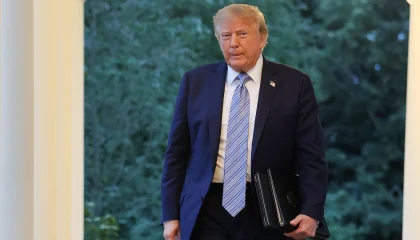
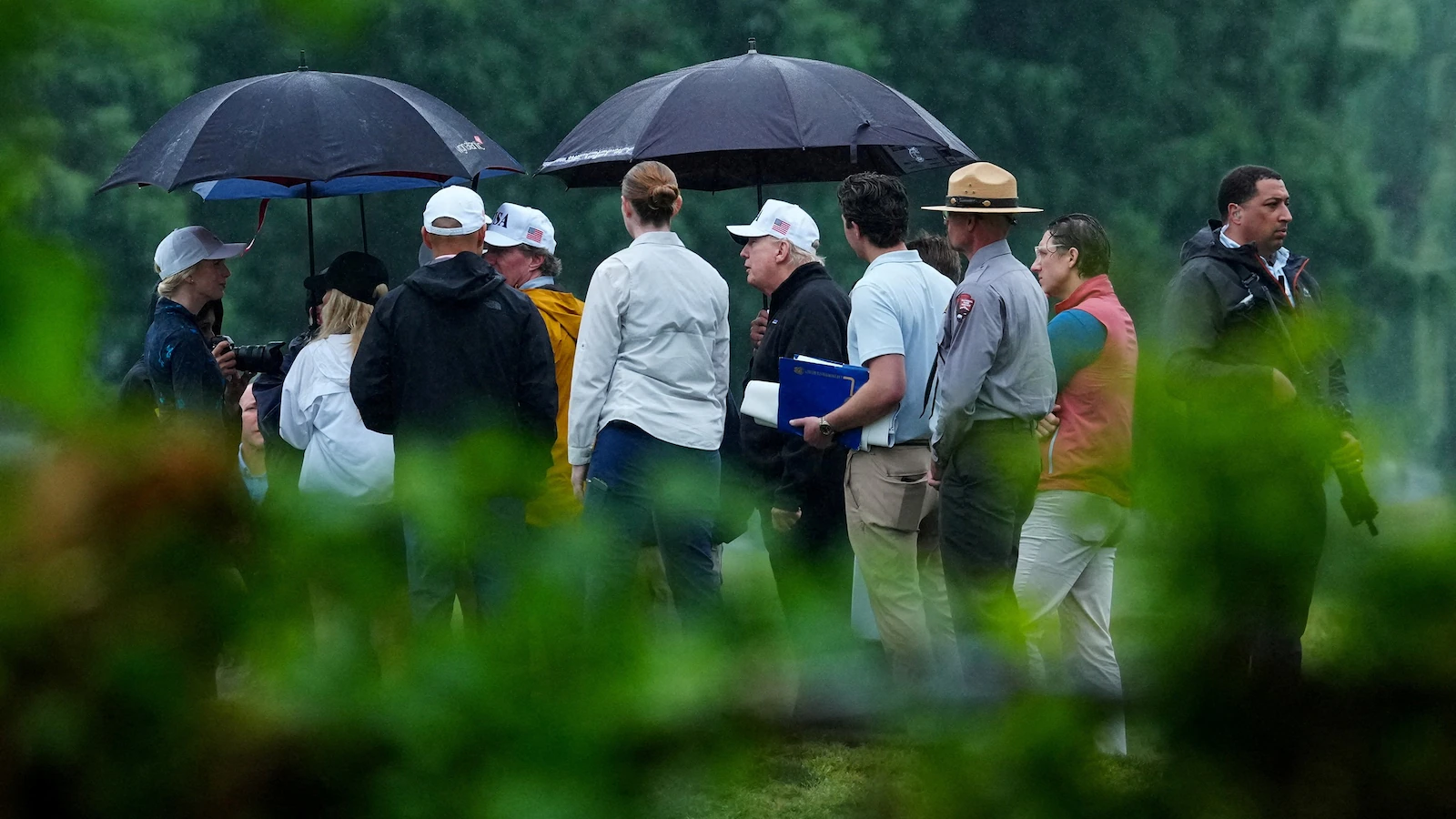
Cyberzenhub.com – President Donald Trump asserted on Sunday that construction on the East Potomac Golf Course will begin on September 1, disregarding a recent warning from a federal judge about potential repercussions. The judge, Ana Reyes, had cautioned the administration against proceeding without prior approval and notification, emphasizing the need for transparency to prevent irreversible damage. Trump’s declaration came during a visit to the site, where he surveyed the progress of various projects, including the golf course, which he described as a pivotal initiative.
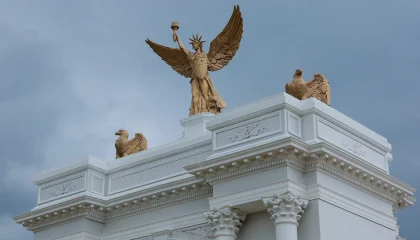
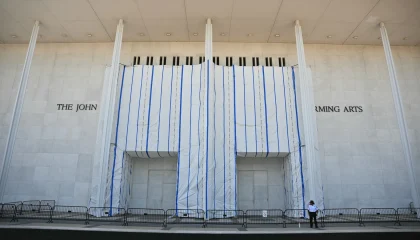
During the tour, Trump’s motorcade passed through Lafayette Park near the White House and around Memorial Circle, a location he aims to transform with a 250-foot triumphal arch. The site is also adjacent to the Kennedy Center, where his name was previously affixed to the building before a court order mandated its removal. This marked a symbolic gesture, underscoring Trump’s determination to assert his vision for the area, even in the face of legal challenges. The visit included a meeting with U.S. Interior Secretary Doug Burgum and golf course architect Tom Fazio, who will oversee the project. Trump emphasized that the renovations would be executed through a public-private partnership, aiming to elevate the course’s status to global prominence.
Legal Battle Over Lease Agreements
The administration’s decision to move forward with the project follows a lawsuit initiated by the National Links Trust, a nonprofit organization that manages public golf courses in the nation’s capital. The trust had previously leased the East Potomac course, but the government terminated the agreement in December, citing inadequate maintenance. This action sparked controversy, with the trust disputing the claim and arguing that the lease was still valid. A May agreement allowed the trust to continue operations, though Trump insisted his plans would progress independently.
Trump’s plans for the course include a complete redesign, which he pledged would create a world-class facility. The president reiterated that the new layout would meet the highest standards of golf while ensuring public access. He also mentioned that the course will host major tournaments, such as the U.S. Open, Ryder Cup, and PGA Championship, highlighting its potential as a national landmark. However, legal experts warn that the administration’s swift actions could lead to conflicts, particularly given the rapid pace of recent demolitions at the White House. The judge’s warning serves as a reminder of the legal risks involved, as the administration could face backlash for bypassing procedural safeguards.
“I’m going to say this one more time, and I do not want a situation where something has happened and then I’m being told by the government or by a bulldozing company that it’s too late to do anything about it,” Judge Ana Reyes stated. “If anything like that happens … there are going to be serious consequences.”
Public-Private Collaboration and Project Oversight
Trump outlined the collaboration between the government and private sector, with Tom Fazio leading the design efforts. The architect’s son, Gavin Fazio, also joined the president during the visit, adding a personal touch to the project. Trump described the East Potomac site as a unique opportunity, citing its proximity to iconic monuments and its natural beauty. He claimed the course would be “one of the Greatest Golf Courses anywhere in the World,” blending luxury with public accessibility.
The Lincoln Memorial Reflecting Pool project was also discussed, with Trump noting that the overhaul is now in full operation. He promised the pool will be restored to “perfect shape” by July 4, though he made repeated claims about the algae blooms without presenting concrete evidence. This focus on infrastructure projects reflects Trump’s broader strategy to revitalize public spaces while navigating legal hurdles. The golf course initiative, however, remains central to his efforts, as he envisions it as a flagship endeavor that will redefine the area’s recreational offerings.
Strategic Moves and Historical Context
The project’s timeline aligns with the administration’s emphasis on rapid progress. Trump’s Sept. 1 launch date positions the golf course as a key component of his infrastructure agenda, which has faced scrutiny for its pace. The judge’s warning about “serious consequences” highlights the tension between executive action and judicial oversight, particularly in cases where public assets are repurposed. The East Potomac Golf Course, a popular recreational spot, now stands at the intersection of political ambition and legal accountability.
Trump’s confidence in the project’s success is bolstered by his public-private partnership model, which he believes will ensure both quality and efficiency. Critics, however, argue that the approach may prioritize speed over due process, as seen in the previous termination of the National Links Trust’s lease. The judge’s concern about the “razed” fate of the property underscores the potential for irreversible changes, especially if the administration’s actions are not contested in time. Despite these warnings, Trump remains steadfast, framing the project as a necessary step to modernize and enhance public spaces.
Legacy and Future Implications
As the golf course enters its next phase, questions arise about its impact on local communities and the environment. The redesign could affect the existing green spaces and wildlife habitats, prompting debates about sustainability. Yet, Trump’s vision of a “fantastic site” with “unparalleled views” of Washington’s monuments positions the project as a blend of leisure and national pride. The administration’s commitment to the course’s transformation, even amid legal caution, signals a broader push to reshape the capital’s landscape.
With the Sept. 1 deadline approaching, the focus remains on securing the necessary approvals while keeping the public informed. Trump’s insistence on the course’s grandeur and accessibility reflects his campaign rhetoric, which often emphasizes both economic and recreational benefits. The success of this initiative could set a precedent for future projects, demonstrating the administration’s ability to execute ambitious plans despite legal hurdles. As the golf course nears its next phase, the balance between progress and preservation will be a key test for both the government and the courts.
Related Stories and Ongoing Debates
Meanwhile, other developments continue to shape the political landscape. Recent reports highlight Iran’s agreement to halt military strikes with the U.S., while Venezuela’s earthquake toll has risen to over 1,450. These updates provide context for the ongoing debates about infrastructure and public investment, including Trump’s claims regarding the Reflecting Pool’s “permanent repair.” The golf course project, however, remains a focal point, illustrating the administration’s dual commitment to innovation and legacy-building in the nation’s capital.