
Central Bank Faces Political Stress Test, Ex-Fed Chair Powell Warns
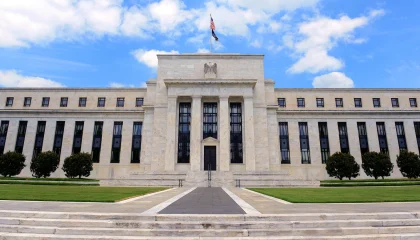
Cyberzenhub.com – Former Federal Reserve Chair Jerome Powell has raised concerns about the central bank’s growing exposure to political pressures, calling it a “stress test” that could undermine economic stability. In a recent speech at the John F. Kennedy Library Foundation, Powell emphasized the risks of allowing political influence to compromise the Fed’s ability to make independent monetary decisions. His remarks highlight a critical debate over the central bank’s role in shaping the U.S. economy amid rising scrutiny from both the executive and legislative branches. The timing of his warning—shortly after stepping down as chair—adds urgency to the issue, as the new leadership now faces the challenge of maintaining institutional autonomy.
Legal and Political Scrutiny
As the Fed grapples with mounting legal and political challenges, the Department of Justice has initiated a criminal inquiry into Powell’s testimony about cost overruns during a building project. This marks the first such probe against a Fed chair, underscoring the extent of current tensions. Powell defended the investigation, arguing that it represents an effort to exert political pressure on monetary policy. He noted that Congress has historically safeguarded the central bank’s independence, a model that other advanced economies have also adopted to prevent partisan interference.
“The credibility of the central bank depends on its independence from political agendas,” Powell stated, stressing that this is a key factor in maintaining public trust.
Supreme Court and Policy Autonomy
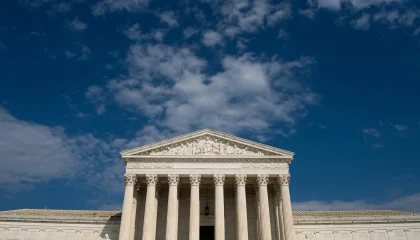
The Supreme Court is set to rule on a pivotal case involving former President Donald Trump’s attempt to remove Fed Governor Lisa Cook. The dispute centers on allegations of mortgage fraud, which Trump’s administration claimed justified her removal. Cook countered that the charges were politically motivated, lacking substantial evidence. The outcome of this case could redefine the boundaries of presidential power over the Fed, potentially enabling future leaders to influence monetary policy through unilateral actions.
“If political leaders can remove central bank officials for policy disagreements, the Fed’s credibility will suffer,” Powell warned, citing the dangers of eroding institutional independence.
Historical Context and Economic Risks
Looking back at history, Powell pointed to the 1970s and 1980s as periods when political interference nearly derailed monetary policy. During the 1972 election, President Nixon pushed then-Fed Chair Arthur Burns to cut interest rates, leading to inflationary spirals. A decade later, the Fed’s aggressive rate hikes to combat inflation in 1981 triggered a recession and a surge in unemployment. These episodes serve as reminders of how political pressures can disrupt economic stability, a risk Powell believes is resurfacing today.
With the current inflation surge driven by a historic oil shock linked to the Iran war, the Fed’s new chair, Kevin Warsh, now bears the responsibility of navigating these challenges. Analysts caution that a politically influenced central bank might prioritize short-term gains over long-term stability, potentially exacerbating inflationary trends. Powell’s warning underscores the need for sustained independence to ensure decisions are based on economic fundamentals rather than partisan interests.
Public Confidence and Long-Term Implications
Public confidence in the Fed remains vital to its success, as Powell explained. “The central bank’s ability to manage the economy hinges on the trust it earns from the public,” he said. Recent political attacks on Powell’s policies have shaken this trust, raising questions about the Fed’s role in a polarized climate. If the central bank’s autonomy continues to wane, its effectiveness in addressing economic challenges could diminish, leaving the U.S. vulnerable to instability.
While Trump denied involvement in the DOJ investigation, critics argue his administration’s actions reflect a broader strategy to challenge the Fed’s authority. This trend, if unaddressed, could set a precedent for future leaders to manipulate monetary policy for political ends. Powell’s call for vigilance highlights the delicate balance between political accountability and economic independence, a challenge that will shape the Fed’s trajectory in the years ahead.