
Why a delayed Xi-Trump summit could give China a stronger hand
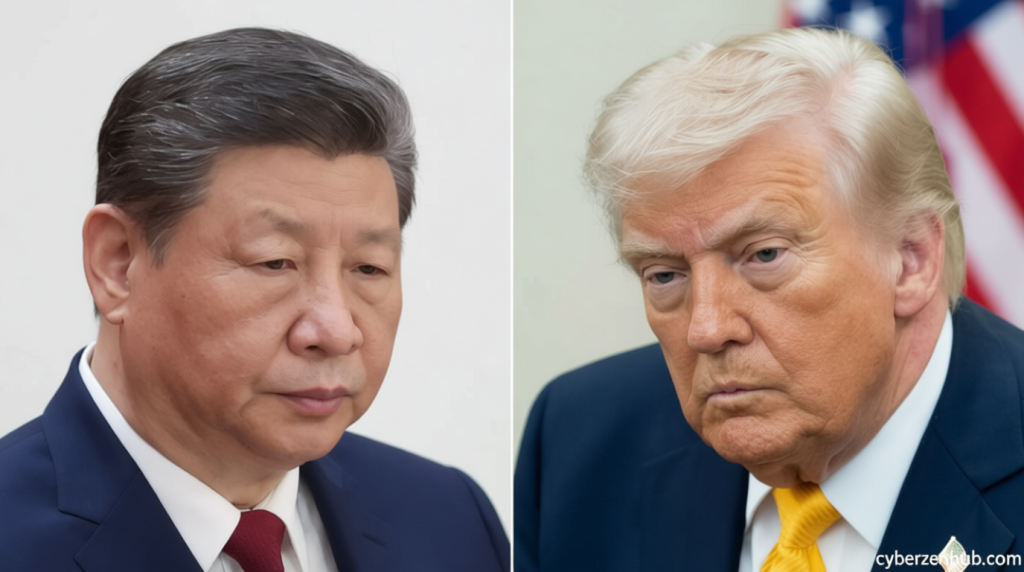
Why a Delayed Xi-Trump Summit Could Give China a Stronger Hand
China’s leadership may benefit from the postponement of a pivotal meeting with U.S. President Donald Trump, as reported by insiders in Beijing. The delay, proposed by Trump, could allow both nations to avoid complications tied to the ongoing conflict with Iran—Beijing’s key ally in the region. Experts suggest that if the war escalates, potentially endangering Chinese citizens or infrastructure, Trump’s ability to negotiate effectively might diminish, leaving China in a more advantageous position.
Beijing’s Response and Strategic Ambiguity
Although the summit was anticipated for late March, Beijing has not officially endorsed the revised timeline. The delay, described as “5 to 6 weeks,” remains unconfirmed, with Chinese officials maintaining a cautious stance. Foreign Ministry spokesperson Lin Jian emphasized the importance of high-level talks, calling them “irreplaceable” for shaping the U.S.-China relationship. Yet, behind the diplomatic rhetoric, uncertainty lingers.
“If the war in Iran causes major casualties of Chinese citizens, or significant damage to Chinese assets, then Trump would not be able to come,”
revealed a source familiar with the negotiations, highlighting one of Beijing’s key concerns. The summit was meant to reset relations between the world’s two leading economic and military powers, but its postponement raises questions about whether the talks will proceed as intended.
Timing and Political Context
Analysts note that Trump’s decision to delay the meeting reflects his administration’s uncertainty about the war’s resolution. “The longer the conflict drags on, the greater Trump’s frustration grows, and his weakness becomes more evident,” said Wu Xinbo, a scholar at Fudan University. This delay could force the U.S. leader into a less favorable position during discussions.
“We will see if Trump has many cards left by then, so it’s better for us to wait a bit rather than act too soon,”
added Wu, who also serves on China’s Foreign Ministry advisory committee. The war has complicated Trump’s domestic agenda, with the Supreme Court’s recent ruling against his emergency tariffs further weakening his political standing. Prolonged military action in the Gulf risks eroding his support among voters, according to insiders.
China’s Geopolitical Opportunity
While the war may strain global economies, it also presents China with a chance to strengthen its political image. As Gulf states and European allies grow skeptical of U.S. unpredictability, Beijing is positioning itself as a stable alternative. Rana Mitter, a Harvard Kennedy School expert, noted that this shift in perception is a strategic advantage for China.
“A lot of countries around the world are now rating China as a more reliable partner than the US. Now that doesn’t mean China is necessarily more reliable, but changes in the U.S. have made people perceive it as such,”
commented Mitter, underscoring how the summit could amplify China’s influence. The meeting remains a critical moment for shaping the future of U.S.-China dynamics, even as the war continues to shape the political landscape.