
EU weighs options as Israel threatens Lebanon offensive
EU weighs options as Israel threatens Lebanon offensive
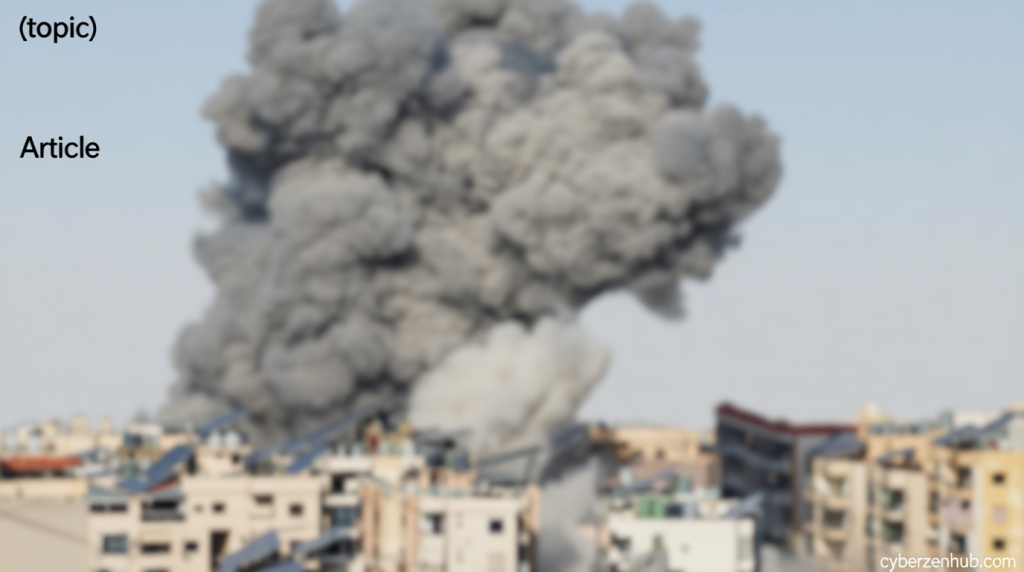
European diplomats are cautioning Israel about launching a military operation in Lebanon. However, the question remains: can they convince Hezbollah to disarm or halt Israeli actions? The European Union has issued warnings to Israel, urging caution as the Israeli military confirmed it was conducting “limited and targeted ground operations” in southern Lebanon against Hezbollah, a Shiite militia backed by Iran. A statement from France, Germany, Italy, the UK, and Canada warned that a large-scale Israeli incursion could lead to severe humanitarian fallout and prolong the conflict.
Lebanon’s parliament recently extended its term for two additional years, delaying elections originally set for May. The decision followed concerns that holding a national vote during ongoing warfare and widespread displacement would be impractical. Two weeks prior, Hezbollah launched attacks on Israel after the US and Israel bombed Iran, in retaliation for the assassination of Ayatollah Ali Khamenei, Iran’s supreme leader. Despite Lebanon’s government urging restraint, the militia proceeded, risking broader regional involvement.
European Fears and Strategic Concerns
European leaders now face a dual challenge: preventing a massive humanitarian crisis in Lebanon and mitigating potential fallout across the continent. The country has struggled with an economic downturn for years, compounding fears of further destabilization. “Europeans have repeatedly called on Israelis to avoid escalation, whether in Lebanon, Gaza, or other areas,” said Julien Barnes-Dacey, director of the Middle East and North Africa program at the European Council on Foreign Relations. “Yet these statements often remain little more than polite appeals.”
“The biggest worry is that this situation could drive more people from the Middle East to seek refuge in Europe,” Barnes-Dacey added. “The influx of displaced individuals might strain resources and heighten political tensions.”
Another layer of concern is the risk of sectarian conflict. Most refugees fleeing Hezbollah’s targets are Shiite, moving into regions controlled by Sunni Muslims and Christians. This dynamic has heightened tensions, with Sunni communities perceiving Shiite migrants as potential threats. “If the Israeli army advances beyond the Litani River and displaces populations there, it could deepen divisions within Lebanon,” Barnes-Dacey explained. “Syria’s fragile state adds to the regional instability, making Europe’s watchful eye on migration even more critical.”
The presence of UN peacekeepers in southern Lebanon also faces danger. UNIFIL observers have occasionally come under fire during clashes between Israel and Hezbollah. They operate in zones vacated by civilians, as Israel has instructed. “It’s unacceptable that peacekeepers carrying out Security Council mandates are targeted,” UNIFIL stated on March 6, two days after calling for both sides to exercise restraint.
Analysts suggest that Europe’s primary leverage over Israel lies in economic ties. Could the EU suspend parts of the EU–Israel Association Agreement to reimpose trade restrictions, as it considered in 2025, to curb Israel’s military actions? This tool, long unused, might now be key to influencing the conflict’s trajectory.