
US strike on Iranian warship tests India’s neutrality
US Strike on Iranian Warship Tests India’s Neutrality
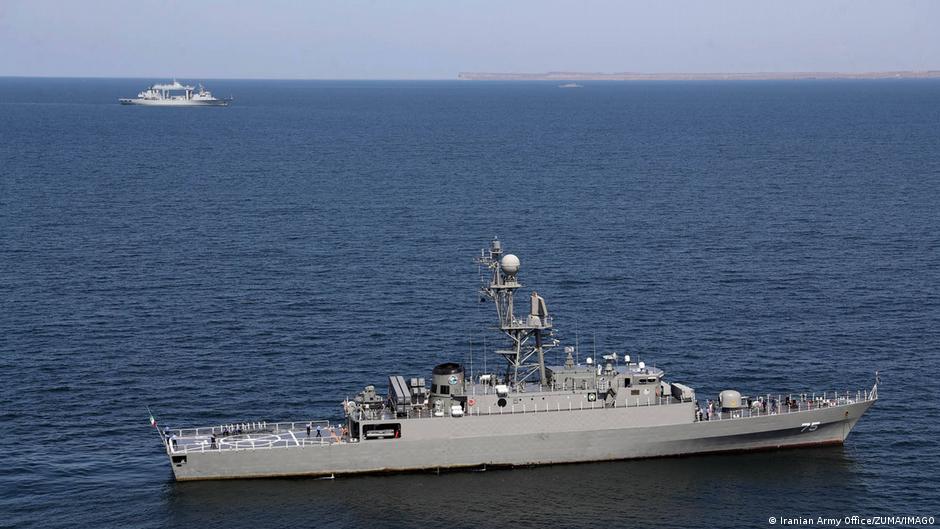
On March 4, a US Navy attack submarine struck and sank the Iranian frigate IRIS Dena in international waters, approximately 20 nautical miles off Sri Lanka’s southern coast. The incident occurred as the vessel returned from a multinational naval exercise, MILAN 2026, co-hosted by the Indian military. At least 87 Iranian sailors perished in the attack, marking a significant escalation in the US-Iran conflict beyond the Persian Gulf.
India’s foreign policy stance has been tested by the event, which took place in the Indian Ocean—a region the country aims to dominate strategically. Despite the attack occurring in international waters, it occurred near India’s maritime influence zone, prompting criticism over the nation’s role in the exercise. The initial response from Prime Minister Narendra Modi and the Ministry of External Affairs was measured, with silence until Foreign Minister S Jaishankar offered a broader perspective.
“When [Iranian sailors] set out and came here, the situation was totally different. They were coming in for a fleet review. And then they got, in a way, caught on the wrong side of events,” said Jaishankar.
Jaishankar framed the incident as an inevitable part of the Indian Ocean’s geopolitical dynamics, emphasizing India’s role in hosting the exercise. This approach aligns with New Delhi’s broader strategy of maintaining neutrality in the Iran-US rivalry, advocating for calm and dialogue over confrontation.
However, the event stirred domestic debate. Opposition leaders, including Rahul Gandhi and Mallikarjun Kharge, criticized Modi’s restraint, accusing the government of lacking assertiveness. “The conflict has reached our backyard, with an Iranian warship sunk in the Indian Ocean. Yet the Prime Minister has said nothing,” Gandhi remarked on X. “At a moment like this, we need a steady hand at the wheel. Instead, India has a compromised PM who has surrendered our strategic autonomy,” he added.
In response, Jaishankar cited the presence of multiple global powers in the region, including US military installations at Diego Garcia and Chinese ships in Sri Lanka’s Hambantota Port. He noted that India had granted emergency docking to three Iranian vessels, ensuring the crew’s safety and securing diplomatic gratitude from Tehran. Another Iranian ship, the IRIS Bushehr, sought refuge at Trincomalee port in Sri Lanka.
Experts highlight the incident’s implications for India’s maritime security role. “Whatever the awkward diplomatic optics for India, the event ultimately illustrates the reach of American undersea warfare,” said security analyst Commodore Uday Bhaskar. He argued that the sinking underscores the dominance of advanced naval technologies in controlling oceanic regions.
Brigadier S K Chatterji, an Indian defense strategist, echoed similar concerns, noting that the episode raises questions about New Delhi’s ability to manage security in its immediate neighborhood. While India has no legal mandate to police the area, the event has intensified scrutiny of its strategic positioning in the region.
Additionally, the attack has drawn attention to India’s economic vulnerabilities. Rising fuel prices and the displacement of citizens in Middle East conflicts have become focal points for parliamentary discussions, with critics urging a stronger stance against the US move.
India’s restrained response reflects a consistent pattern in its foreign policy—prioritizing diplomatic balance over immediate criticism, even amid tensions with key allies. Yet the incident has exposed the complexities of maintaining neutrality in a rapidly shifting global conflict.