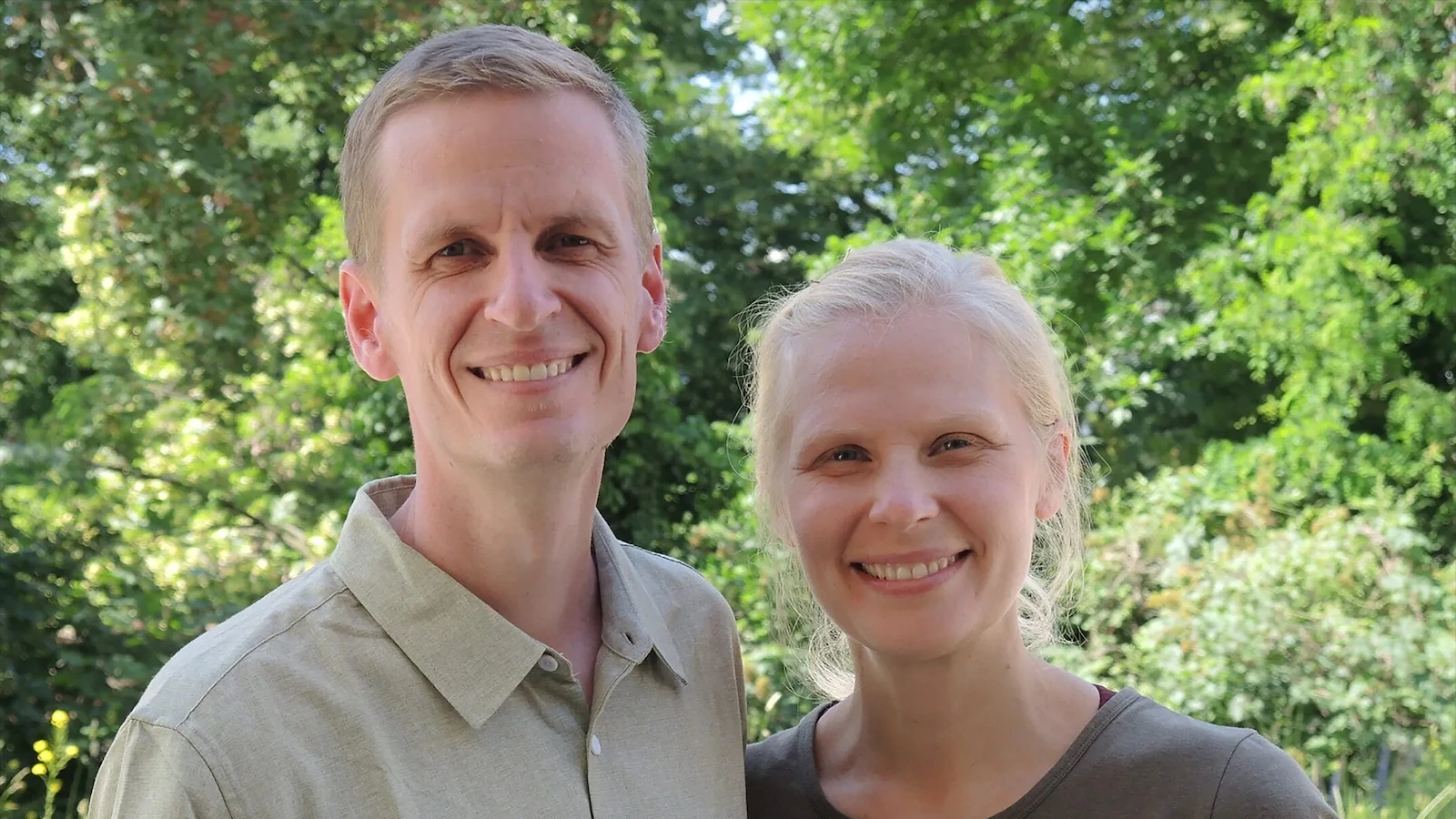
American Doctor Previously Infected with Ebola in DRC Returns to US
Cyberzenhub.com – Dr. Peter Stafford, an American medical missionary who contracted the Ebola virus while working in the Democratic Republic of Congo (DRC), has completed his journey back to the United States. Alongside him were his wife, Dr. Rebekah Stafford, and their four children, who arrived safely on Monday. The family’s return was confirmed by Serge, a global Christian missions organization that employs the couple, according to their latest statement.
Evacuation and Medical Care in Germany
Stafford’s infection occurred during his work with patients in the DRC, where he was evacuated to Germany for specialized treatment. The family was moved into a secure isolation unit at Charité University Hospital in Berlin, where they received care as high-risk contacts. The medical team at the facility played a key role in monitoring their condition and ensuring their recovery.
“I am filled with gratitude to God for preserving my life, to all those who prayed on my behalf, and to the many medical providers who cared for me. I am feeling well and thankful to be reunited with Rebekah and the kids,” Peter Stafford said in a statement.
The Staffords’ health status has been a focal point for U.S. health officials, who have maintained close communication with the family since their evacuation. According to Serge, the couple and their children were discharged from the hospital earlier this month, and Dr. Peter Stafford has remained free of the virus since May 30.
Ebola Outbreak in the DRC
The Ebola outbreak in the DRC, which began in the northeastern province of Ituri, has now reached its 17th confirmed occurrence in the country. Health authorities there reported 808 cases of the virus, resulting in 192 fatalities, as of a recent press briefing. The outbreak was first identified on May 15, marking a significant challenge for the nation’s healthcare system.
Meanwhile, neighboring Uganda has seen at least 19 cases linked to travel, with two deaths confirmed. The Ugandan health ministry has been actively tracking the spread of the disease, highlighting the transnational nature of the epidemic. The DRC, Africa’s second-largest country, continues to grapple with the outbreak, which has disrupted communities and strained medical resources.
Gratitude and Continued Support
Matthias Allison, the executive director of Serge, expressed deep appreciation for the global efforts that aided the Staffords’ recovery. “Our hearts remain deeply saddened for our Congolese friends and colleagues and those impacted by this outbreak,” Allison stated. “Our mission is more critical than ever as we mobilize medical support and resources to partners in the area.”
“Thank you to those who have prayed and given sacrificially to this work. Also, we would like to express our immense gratitude to the many international organizations, governments, and partners who cared for the Stafford family and brought them home safely,” Allison added.
The Staffords’ return is seen as a milestone in the fight against the disease, offering hope and a reminder of the effectiveness of international collaboration. Their experience underscores the challenges faced by healthcare workers in the DRC, where the virus has spread rapidly despite containment measures. The couple’s resilience has inspired many, with their statement reflecting both personal and collective relief.
Broader Implications of the Outbreak
The ongoing epidemic in the DRC has prompted increased attention from global health agencies and organizations. With the virus spreading across multiple provinces, the country’s health ministry has partnered with entities like the World Health Organization (WHO) and Médecins Sans Frontières (MSF) to enhance response efforts. These groups have deployed additional personnel and resources to combat the outbreak, which has now claimed over 190 lives.
Dr. Peter Stafford’s case is particularly notable as it highlights the risks faced by medical professionals working in high-risk zones. His initial diagnosis came after exposure to infected patients, and his subsequent recovery demonstrates the importance of timely evacuation and advanced medical care. The family’s quarantine in Germany provided a critical window for observation and treatment, preventing further transmission.
As the DRC continues to manage the outbreak, the Staffords’ return to the U.S. symbolizes progress in both their personal journey and the broader public health response. Their story also serves as a testament to the dedication of international teams working to support affected regions. While the epidemic remains a significant threat, the collaboration between local and global health actors has been instrumental in slowing its spread.
Community and Global Response
Serge has emphasized the role of faith-based networks in providing logistical and medical support during the crisis. The organization’s statement highlighted the importance of prayer and community solidarity in overcoming the outbreak. “We are grateful for the care and compassion shown to our family, which has been vital in our recovery,” the group noted.
Health experts have pointed to the need for sustained efforts to address the outbreak, particularly in areas with limited healthcare infrastructure. Dr. Stafford’s case has also sparked discussions about the role of international partnerships in disease control. His evacuation to Germany exemplifies how global medical networks can respond swiftly to contain outbreaks and protect individuals and communities alike.
With the Staffords now safely back in the U.S., the focus shifts to long-term strategies for preventing future outbreaks. The DRC’s health ministry has reiterated its commitment to containing the virus, while urging continued support from the international community. As the numbers of confirmed cases and deaths grow, the urgency of these efforts remains high.
Looking Ahead
Dr. Peter Stafford’s recovery has been a beacon of hope for those affected by the virus. His statement reflects not only personal gratitude but also a call to action for global health initiatives. “Our prayers continue for those in Congo who are facing this devastating epidemic and for the ongoing efforts to control the disease,” he said, underscoring the shared responsibility in addressing such crises.
The Staffords’ experience has also brought attention to the human cost of the outbreak, with their family’s journey illustrating the personal sacrifices made by those on the frontlines. Their return marks the end of a critical phase in their ordeal, yet the broader fight against Ebola is far from over. The DRC and its neighbors must remain vigilant as they work to curb the spread of the disease and protect vulnerable populations.
As the world watches the situation unfold, the Staffords’ story remains a powerful example of resilience and international cooperation. Their safe arrival in the U.S. is a victory for global health efforts, but it also serves as a reminder of the ongoing challenges in combating infectious diseases. The journey of Dr. Peter Stafford and his family is a chapter in a larger narrative of public health triumphs and tribulations.