Iran Hit at Least 3 Bases in Latest Regional Strikes
Cyberzenhub.com – Iran hit at least 3 bases hosting American military assets across the Middle East, according to a comprehensive ABC News analysis of satellite imagery and video footage. Despite President Donald Trump’s claims that the U.S. “demolished” the Iranian military, Tehran has continued its campaign since hostilities resumed in early July, targeting strategic locations in Jordan, Bahrain, and Qatar.
Damage Assessment and Strategic Targets
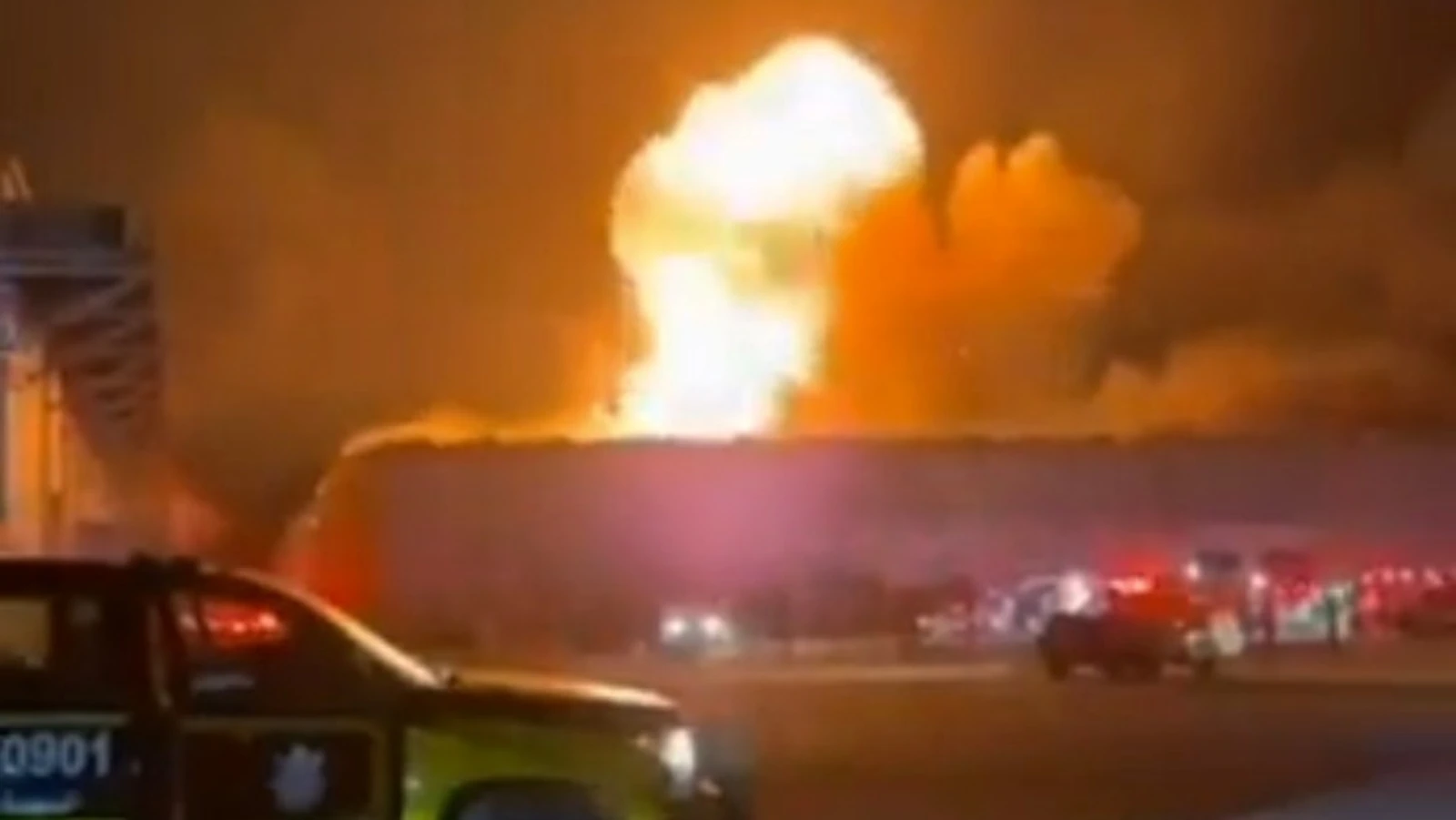
The visual analysis revealed that Iranian-claimed missile and drone strikes damaged facilities in multiple countries. A former United Nations base camp and an industrial area in Kuwait were also hit during this period. While operational damage appears limited, the strikes demonstrate a persistent capability that challenges U.S. assessments.
“The U.S. has failed to successfully attrit their forces to the extent where they can no longer do these types of attacks,” said Sam Lair, a fellow at the Foreign Policy Research Institute. CENTCOM declined to comment on the reported strikes.
Ken Pollack, vice president for policy at the Middle East Institute and former CIA military analyst, explained that Iran is “looking for targets that they know they can hit” while simultaneously “controlling escalation.” The Iranian strategy focuses on military bases rather than civilian targets, reducing the risk of American retaliation.
Since testing American and Gulf defenses at the start of the conflict in late February, Iran has “identified chinks in our armor,” according to Pollack. Satellite imagery from July 12 showed apparent damage to a warehouse building in the U.S. Navy’s 5th Fleet Headquarters in Bahrain, which Lair described as “a favorite site for the Iranians to hit since the war broke out.”
Operational Impact and Regional Vulnerability
Lair confirmed there appears to be a hole in a warehouse roof at the Bahrain facility. “I think it’s not so much the warehouse as what the site represents,” Lair said, adding it’s “symbolically important” and shows that “Iranians are able to hold at threat American targets.” On Monday, Trump stated the U.S. is “knocking out all of [Iran’s] offensive capability” while reinstating a naval blockade on commercial ships passing through the Strait of Hormuz.
Pollack noted that “for the Iranians, they don’t need to shut down all of the trade in the Strait of Hormuz. They don’t need to destroy every city in the Arabian Peninsula. All they need to do is to be able to threaten to do so.” He called the periodic attacks on Gulf states “absolutely ruinous to the futures that they charted out for themselves – and that’s what Iran’s banking on.”
Additional satellite imagery from July 12 showed the southern part of a building at Al Udeid Air Base in Qatar destroyed. According to Lair, the damage “probably makes it a little bit more difficult to sustain flight operations out of Al-Udeid.” He described the site as “very accessible” and “not very well-defended,” though he noted that “a lot of the most sensitive material at the base was removed, along with many of the personnel, before the war started at the end of February.”
“You may as well try to further degrade the capabilities of that base, especially since it’s one of the largest hubs in CENTCOM,” Lair said, but cautioned that the “operational impact of those strikes is unclear.” Taken together, the images show that Iran remains capable of striking “a wide range of targets of the region,” Lair said, adding that while “it’s not one for one … it kind of suggests that the Iranians are still able to hold the Strait at risk, and are willing to do so, despite the long-running U.S. air campaign.”
“It reminds everyone in the Gulf that they are still vulnerable to Iranian attacks,” Lair said. “It’s a very uncomfortable reality.” This assessment underscores that Iran hit at least 3 bases with significant symbolic value, maintaining pressure on American positions throughout the region.