
The lesser-known meningitis symptom to look out for after Kent outbreak
The lesser-known meningitis symptom to look out for after Kent outbreak
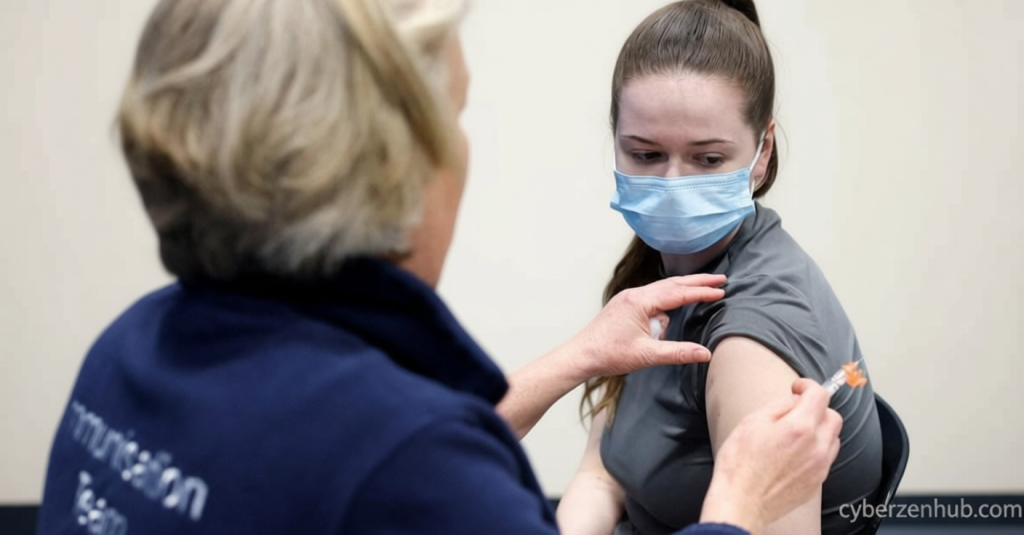
Following a meningitis outbreak in Kent, health officials have expanded the vaccination program to include more students. Two fatalities earlier this month prompted the UK Health Security Agency to reassess the scope of immunization efforts.
Local MP Helen Whately highlighted that one of the victims was a year 13 pupil at Queen Elizabeth’s Grammar School in Faversham. The University of Kent confirmed the other was a student. The agency reported 20 confirmed cases, with three additional instances under review.
Over 10,600 individuals have received the vaccine since the outbreak began. The initiative now targets 15 and 16-year-olds at four schools as a preventive step. Experts stress the importance of recognizing less obvious signs, such as sensitivity to light.
Sensitivity to light: A hidden red flag
Light sensitivity, or photophobia, is a symptom many overlook. It can make everyday lighting—sunlight, screens, or indoor lights—feel uncomfortable or even painful. Tina Patel, a contact lens optician, explains that this occurs due to inflammation around the brain and spinal cord.
“Inflammation from meningitis can irritate nerves that detect light, making the eyes more reactive,” Patel said. “Symptoms include struggling with normal lighting, needing darker spaces, or experiencing severe headaches, nausea, or difficulty concentrating.”
Photophobia is often mistaken for migraines or eye fatigue. However, Dr Suzanne Wylie, a GP and medical adviser, warns that sudden, intense sensitivity paired with general unwellness may signal a serious condition.
Age-specific symptoms and risk factors
Dr Wylie noted that meningitis symptoms can vary depending on the patient’s age. In infants, classic signs like neck stiffness or fever might not appear, instead showing irritability, poor feeding, or a bulging fontanelle.
Adults, particularly those in adolescence or young adulthood, face a higher risk. This group, often living in shared environments like university dorms, may experience a ‘small peak’ in vulnerability. Those with weakened immune systems or chronic health conditions are also at greater risk.
“Bacterial meningitis can rapidly lead to sepsis, shock, or organ failure,” Dr Wylie emphasized. “Early recognition is critical, as symptoms can escalate within hours.”
Lesser-known indicators include cold extremities, rapid breathing, unusual sleepiness, confusion, or seizures. These can signal a severe progression of the disease. The NHS explains that meningitis spreads through sneezing, coughing, or kissing, often from asymptomatic carriers.