
Iran war may help Netanyahu at home but hurt Israel abroad
Iran War May Help Netanyahu At Home But Hurt Israel Abroad
As the conflict with Iran intensifies, Israeli Prime Minister Benjamin Netanyahu finds himself in a position where domestic gains could bolster his political standing, while international perceptions may shift against his nation. A recent headline from Britain’s Telegraph declared,
“Netanyahu is the great war leader of our age.”
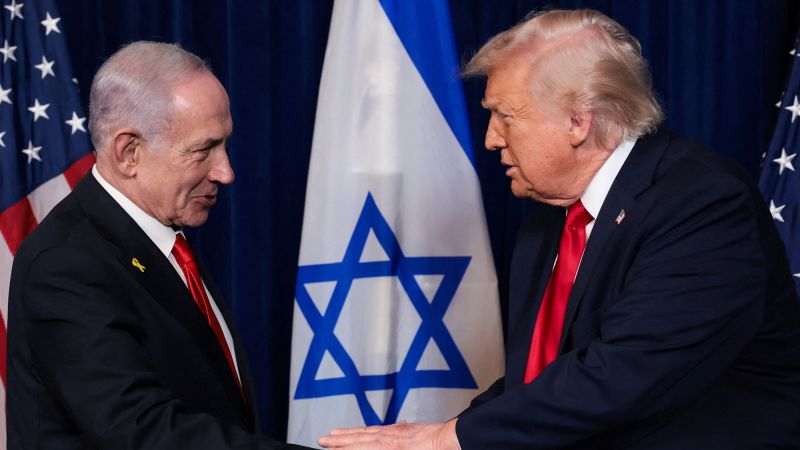
The piece, authored by Charles Moore—a renowned conservative writer and biographer of Margaret Thatcher—portrays the leader as a modern-day Churchill, emphasizing his long-standing focus on Iran, partnership with former U.S. President Donald Trump, and recent victories against Hamas, Hezbollah, and Tehran. This narrative aligns with the sentiments of his supporters, who quickly shared the article online.
Moore’s portrayal frames Netanyahu as a strategic figure whose policies have redefined the Middle East’s security landscape. Supporters view him as the British wartime icon who stood against Nazi Germany, now mirrored in his role as a bulwark against Iran. The recent military strike targeting Iranian Supreme Leader Ayatollah Ali Khamenei has energized his base, offering a renewed sense of purpose ahead of an upcoming election. According to a survey by Israel’s Institute for National Security Studies (INSS), 81% of the public backs the Iran campaign, with 63% advocating for its continuation until the regime collapses.
Channel 12 News, known for its critical stance toward Netanyahu, added a new slogan to its logo:
“Together all the way.”
This shift reflects a broader alignment with the prime minister’s agenda, as opposition leaders like former PMs Yair Lapid and Naftali Bennett adjust their messaging to mirror public sentiment. Lapid, in an Economist column, stated,
“On this military campaign, I stand behind the government and the operation in Iran.”
The strategy is clear: battlefield triumphs aim to rewrite Netanyahu’s legacy, transforming October 7, 2023—Israel’s most devastating security incident—into a pivotal moment in a larger regional transformation.
Netanyahu has long positioned Iran as the primary threat to Israel’s survival, shaping security policies, diplomatic relations, and public discourse accordingly. The recent attacks, which began with the assassination of Khamenei, have redefined his narrative, reinforcing his image as a decisive leader. The campaign was immediately labeled “Operation Roaring Lion” by the Prime Minister’s Office, signaling a deliberate effort to leverage wartime momentum for electoral advantage. While the official vote is set for late October, Netanyahu may push for an earlier date to capitalize on the current surge in support.
However, the operation’s reception differs abroad. A CNN poll revealed that 60% of Americans disapprove of the U.S.-led strike on Iran, with Democrats showing the least approval at 18%. In stark contrast, Republicans overwhelmingly back the decision, with 77% expressing support. This divide risks deepening partisan tensions over Israel’s actions, especially as the country grapples with criticism following the Gaza war. California Governor Gavin Newsom intensified his critique of Netanyahu, accusing him of steering Trump into the conflict. Despite Netanyahu’s efforts to secure Trump’s endorsement, the U.S. leader’s willingness to participate remains uncertain.