
The US-Israeli war on Iran is founded on two huge mistakes
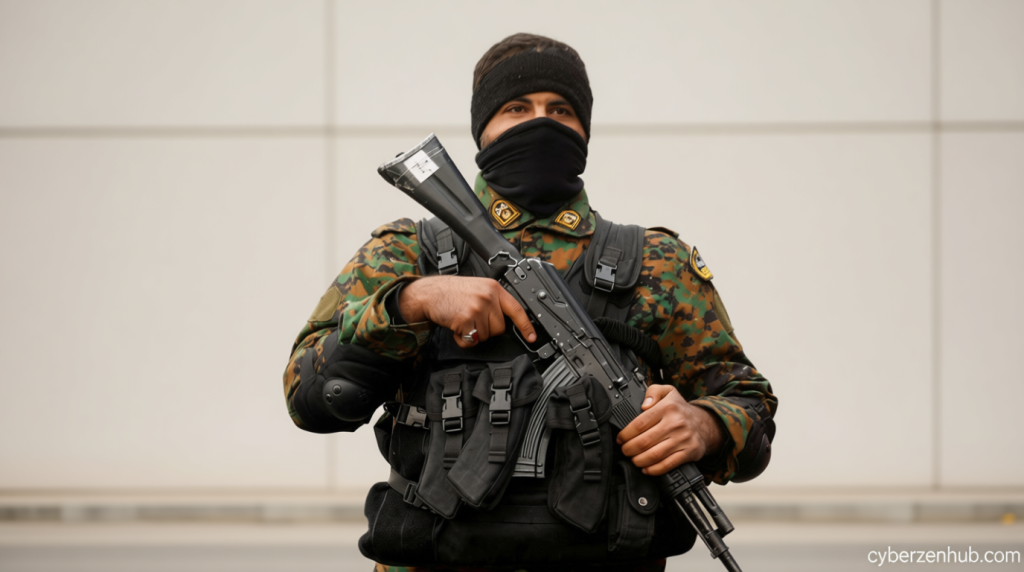
The US-Israeli War on Iran Rests on Two Major Misjudgments
Two weeks into the Israeli-American campaign against Iran, the relentless aerial assault described by US Secretary of War Pete Hegseth as “death and destruction from the sky all day long” has revealed two critical errors in the rationale behind the conflict.
American Miscalculation: Overestimating Regime Collapse
One of the key missteps stems from the United States’ belief in the potential to dismantle the Iranian ruling structure. This assumption, however, proved flawed as the war progressed. Israeli Prime Minister Benjamin Netanyahu, in his first televised address since the attacks began, emphasized the urgency of immediate action, claiming that without intervention, Iran’s military-industrial complex would soon become unassailable.
“If we had not acted immediately, within a few months Iran’s industries of death would have become immune to any strike,” Netanyahu stated.
The stated goal of the operation, according to Netanyahus, was to neutralize Iran’s ballistic missile capabilities, which threaten Israel, the US, and global security. He also asserted that the assault would create favorable conditions for Iranian civilians to rise against their government.
Israeli Misreading: Underestimating Hezbollah’s Resolve
Meanwhile, Israel’s strategic miscalculation lay in its perception of Hezbollah’s vulnerability. The nation’s leaders assumed that the group would be unable to mount a significant counterresponse, a flaw that became evident as the war unfolded. Despite this, the attack was framed as a decisive move to weaken Iran’s geopolitical position.
US President Donald Trump reinforced the narrative, declaring that the strikes had prevented a nuclear confrontation. “If we didn’t do it, they were going to attack first,” he remarked to reporters.
“That is our objective,” Netanyahus said, adding that the Israeli-American attack would facilitate conditions for the Iranian people to rise up and topple the Islamic Republic.
Yet, the persistence of Iran’s leadership and its ability to retaliate suggest that the war’s primary aim—regime change—remained unfulfilled.
Aftermath: A Strategic Failure?
Despite the initial optimism, Iran’s nuclear and ballistic missile programs have not been irreversibly damaged. The country’s ability to replace its supreme leader, Ayatollah Ali Khamenei, with his son Mojtaba Khamenei indicates the regime’s resilience. Additionally, Iran has since launched successful strikes against Gulf states and Israel, resulting in casualties and infrastructure damage, including the disruption of the Strait of Hormuz—a move that has triggered a severe energy crisis reminiscent of the 1970s.
These developments have undermined the assumption that Iran’s government would crumble under the weight of the attack. US intelligence reports confirm that the Iranian leadership remains intact, despite the combined might of Israeli and American forces.
Reality Check: What Went Wrong?
The current situation highlights a shift in strategy. While the war was initially framed as a means to destabilize Iran, the country’s continued ability to retaliate challenges this narrative. The 12-day conflict in June 2025, which Netanyahus hailed as a “historic victory,” was expected to reduce Iran’s strike capacity by 20,000 missiles and nuclear threats. However, the results have not matched this vision.
“Israel ‘achieved a historic victory, which will stand for generations,’ Netanyahu claimed, noting that ‘two existential threats’ had been removed.”
Now, the failure to topple the Iranian government has exposed the underestimation of its military and political endurance. The strategic miscalculations—both American and Israeli—have left the region in a precarious balance, with Iran asserting its dominance rather than the US and its allies.