
Trump says Iran’s handling of Strait of Hormuz is ‘not the agreement we have’
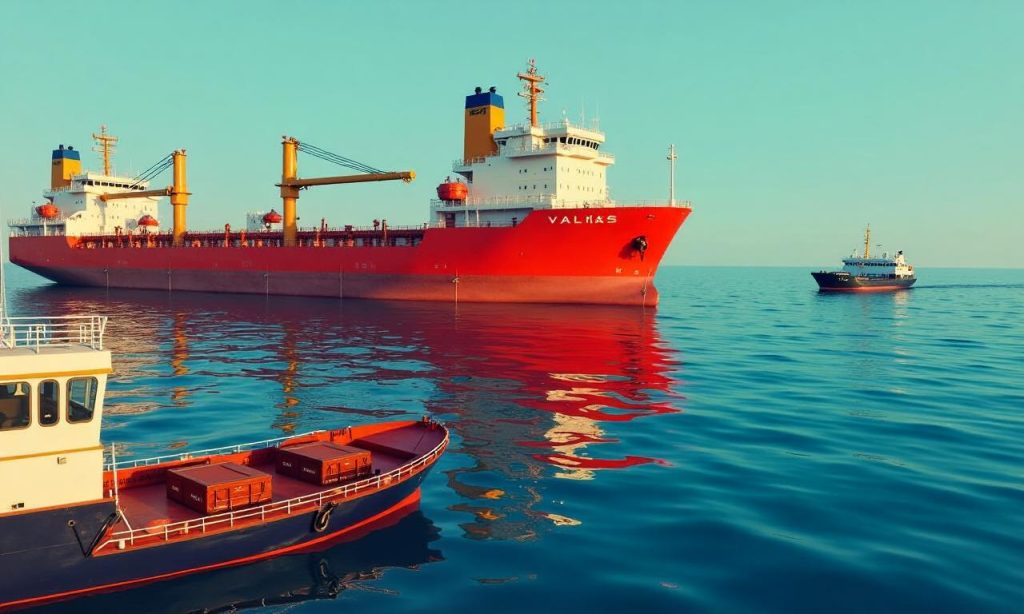
Trump Criticizes Iran’s Management of Hormuz Oil Traffic
President Donald Trump accused Iran of mismanaging oil transit through the Strait of Hormuz, calling it “not the agreement we have.” His remarks highlight growing tensions over the terms of the ceasefire deal, which has been mired in disputes about its scope. Meanwhile, Israeli Prime Minister Benjamin Netanyahu announced plans for direct discussions with Lebanon, aiming to disarm Hezbollah and foster peace.
Escalation and Evacuation Concerns
Israeli strikes in Lebanon continued through Thursday, targeting suspected Hezbollah rocket sites. The attacks temporarily eased overnight, but new evacuation alerts were issued for Beirut’s southern suburbs, including the Jnah area. World Health Organization head Tedros Adhanom Ghebreyesus noted that two major hospitals in the area were among those affected, with 450 patients needing relocation, including 40 in critical care.
“At this time, no alternative medical facilities are available to receive approximately 450 patients from the two hospitals (including 40 patients in the ICU), rendering their evacuation operationally unfeasible,” Tedros stated on X.
Impact of Ceasefire Ambiguity
The ceasefire’s uncertainty sparked backlash from Iran, which claimed Israel violated its terms by striking Lebanon. This led to the temporary suspension of shipping through the Strait of Hormuz, a vital route for 20% of global oil and LNG. Trump tweeted about the situation, warning that Iran should not impose fees on tankers passing through the waterway.
“There are reports that Iran is charging fees to tankers going through the Hormuz Strait. They better not be and, if they are, they better stop now,” Trump wrote on Truth Social.
Lebanon’s Response and Hezbollah’s Role
Lebanon’s government has sought to assert control over its territory, banning Hezbollah’s military actions in early March. Despite this, the Iran-backed group remains active. On Thursday, the cabinet ordered security forces to limit weapons in Beirut to state institutions, emphasizing the expansion of state authority over the region.
Netanyahu’s office praised Lebanon’s call for demilitarizing Beirut, stating that talks would focus on disarming Hezbollah and establishing bilateral peace. However, the effectiveness of these negotiations remains uncertain, as Hezbollah operates independently and has not ceased its military activities. The ongoing conflict underscores the challenges in achieving stability along Israel’s second front.