
Are the US and Iran on a collision course for war or a surprise deal?
Are the US and Iran on a collision course for war or a surprise deal?
The US has amassed an extraordinary presence near Iran, signaling the most significant regional mobilization since the 2003 invasion of Iraq. As the USS Gerald R Ford, the world’s largest supercarrier, moves into the Mediterranean Sea, the deployment of six E-3 Sentry airborne warning and control planes—nearly 40 percent of the entire US inventory—highlights Washington’s escalating readiness for action.
These aerial surveillance platforms serve as critical assets for monitoring distant threats and coordinating defenses against retaliatory attacks. The sheer number of aircraft deployed suggests a strategic push toward a broader campaign, with Iran poised to respond in kind. Analysts note that such a buildup could signal either an imminent military conflict or a calculated effort to force a negotiated resolution.
Trump’s Foreign Policy and Domestic Priorities
Trump’s approach to foreign affairs has historically favored assertive action over prolonged engagement. Yet, his May 2025 speech in Riyadh emphasized a preference for reducing commitments, a stance reinforced by his economic focus. A full-scale war with Iran could disrupt his agenda by inflating oil prices to $90–$200 per barrel, a financial blow that complicates domestic priorities.
Despite these risks, Trump’s recent pressure on Israeli Prime Minister Benjamin Netanyahu to end the Gaza conflict hints at a desire to de-escalate tensions. However, his public warnings about a potential strike—stating Tehran has only 10 to 15 days to secure a “meaningful deal”—have narrowed diplomatic options. This rhetoric binds the administration to a choice: either proceed with military action or face accusations of weakness.
Iran’s Domestic Pressures and Leadership Resolve
Within Iran, the leadership faces mounting pressure from a populace disillusioned by years of economic hardship and political repression. The January protests, which saw thousands arrested, have left the country on edge. A recent report from an Iranian economic publication confirmed soaring food inflation, with prices climbing to triple-digit levels. This crisis, compounded by US sanctions and internal mismanagement, has heightened fears of instability.
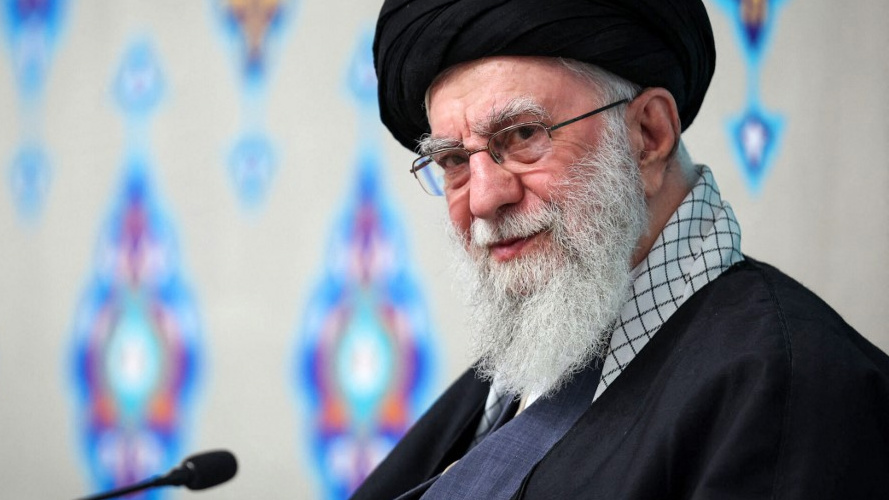
The Iranian Supreme Leader, Ayatollah Ali Khamenei, remains steadfast in his position, despite the unrest. His regime’s survival hinges on maintaining control over the “axis of resistance,” a coalition seen as a bulwark against Western influence. A war with the US could accelerate domestic collapse, yet the leadership shows no signs of retreat.
Political Calculus and the Road Ahead
Domestic challenges have intensified the administration’s need for a bold move. The Supreme Court’s 6-3 ruling against Trump’s use of emergency powers to impose tariffs dealt a blow to his economic vision, prompting speculation that a military strike on Iran may now serve as a political salvager. Former Commerce Secretary Wilbur Ross suggested this possibility, noting that a judicial defeat could fuel Trump’s determination to demonstrate resolve.
Meanwhile, Trump’s envoy, Steve Witkoff, hinted at a delicate balancing act. “Curious” about Iran’s stance, he described the US leader’s approach as one of strategic patience, with an implicit threat of limited strikes if talks stall. This combination of pressure and pragmatism creates a tense standoff, where both sides seek to avoid direct confrontation while asserting their leverage.
“Otherwise, bad things happen,” he added.