
By allowing Israel to bomb Iran, Trump is pushing Tehran to go nuclear
By allowing Israel to bomb Iran, Trump is pushing Tehran to go nuclear
Donald Trump’s decision to permit Israel’s assault on Iran has set a dangerous precedent, marking one of the most critical errors in American leadership since the George W. Bush administration’s invasion of Iraq. The move not only risks escalating the Middle East conflict but also undermines decades of diplomatic efforts to contain Iran’s nuclear ambitions.
Eight years of turmoil in Iraq, which claimed at least 655,000 lives according to The Lancet, created a fertile ground for extremist groups like the Islamic State. The invasion also eroded Iran’s stability, leaving it to struggle for recovery nearly 14 years later. Trump’s current gamble could mirror or surpass these consequences, destabilizing the region further.
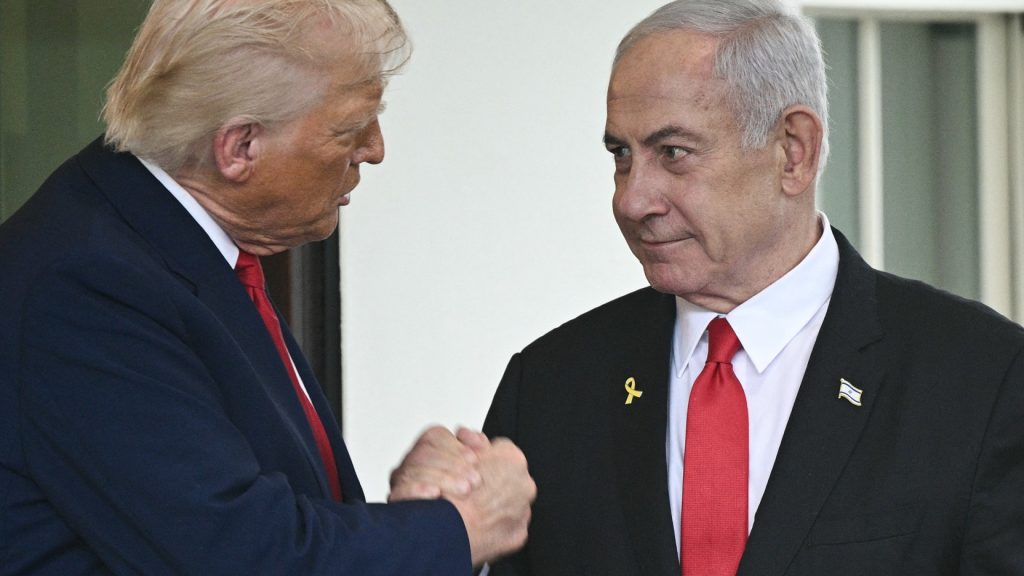
Trump’s action—letting Israeli Prime Minister Benjamin Netanyahu strike Iran while U.S. diplomats were in talks—casts the White House in a light akin to criminal organizations. By enabling this strike, the U.S. risks losing its credibility as a reliable global leader. The question now is: who will believe America’s promises after this?
Trump and his advisors reveled in their ruse, deceiving Iranian negotiators while arming Israel with advanced weaponry. Hellfire missiles and real-time intelligence were swiftly delivered, enabling Israeli drones to target Iranian officials in their sleep or lure them into headquarters for annihilation. This was hailed in Tel Aviv and Washington as a strategic triumph, with Secretary of State Marco Rubio praising the “exquisite intel” shared with Israel.
“Iran must make a deal, before there is nothing left, and save what was once known as the Iranian Empire. No more death, no more destruction, JUST DO IT, BEFORE IT IS TOO LATE. God Bless You All!”
Trump’s admonition to Iran reflects a myopic view of history. The 92-million-strong nation, with millennia of cultural heritage, now faces a president who dismisses its resilience. This oversight ignores Iran’s prior trauma under Saddam Hussein’s regime, which saw the country endure eight years of brutal attacks backed by Western powers.
The Iran-Iraq War, fueled by Saddam’s aggression and U.S. support, left an indelible mark. At its height, Iran’s forces were underprepared, with regular troops and the fledgling Islamic Revolutionary Guards Corps (IRGC) fighting with limited resources. Weapons were scarce, often passed between soldiers as casualties mounted. Despite initial gains, Saddam’s chemical weapons proved costly, with the war’s legacy shaping Iran’s resolve to build a network of armed groups as a defensive strategy.
Western allies, including the U.S., justified Saddam’s actions by prioritizing Gulf oil interests. National Security Decision Directive 114, issued in November 1983, explicitly outlined this objective. Yet, the Halabja gas attacks—where Saddam’s regime unleashed chemical warfare on Kurdish civilians—were downplayed even after the atrocities. British diplomats, as recounted by late colleague Richard Beeston, dismissed the scale of the massacre, reinforcing the illusion of Western neutrality.
As the “axis of resistance” weakens, the echoes of past betrayals remain. Iran’s survival during the Iran-Iraq War, despite Saddam’s relentless assaults, forged a determination to resist external threats through military preparedness. Now, with Trump’s support for Israeli strikes, the same spirit of defiance is being tested, raising concerns about the future of regional stability.